EU-Standard Grocery: Healthier Alternatives for Americans
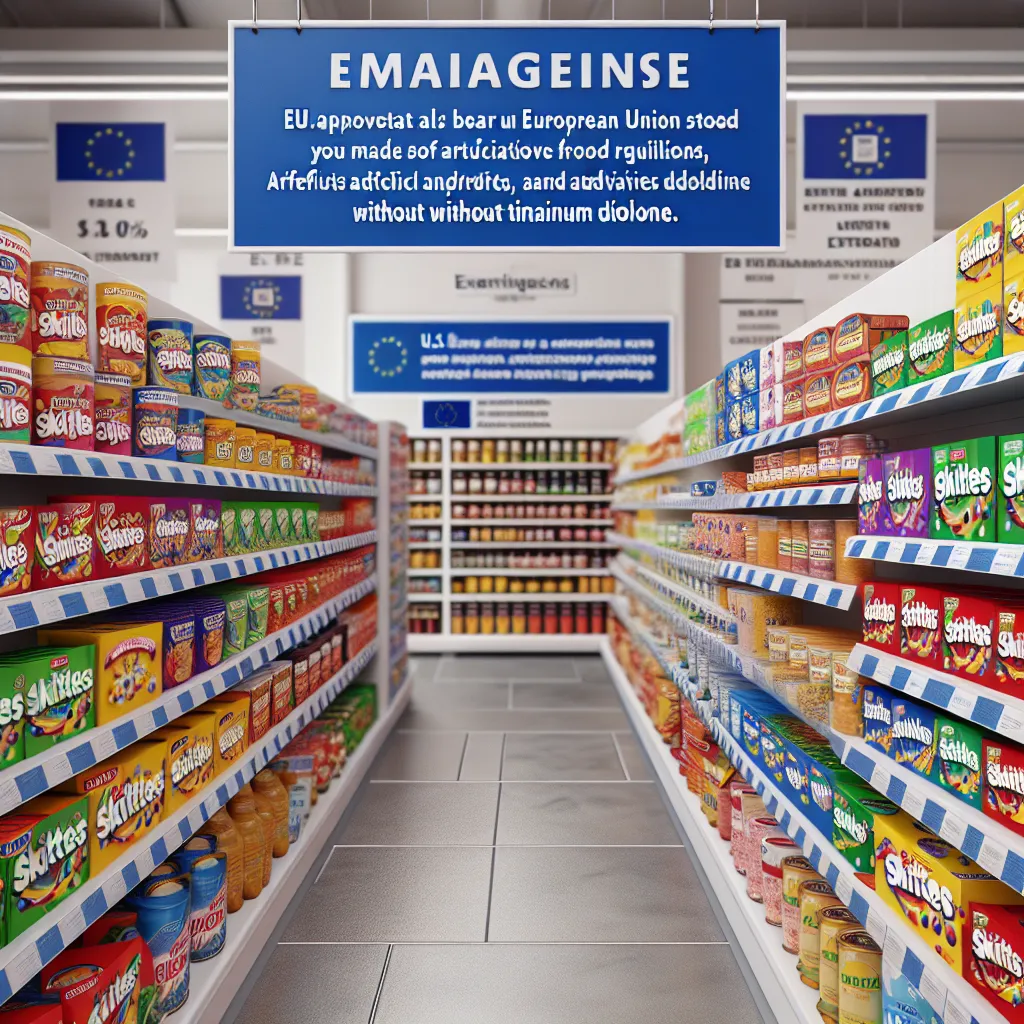
Many Americans are increasingly aware of the poor quality and questionable ingredients in domestic food products—such as artificial dyes, preservatives, and additives banned in other countries. This discrepancy often leaves health-conscious consumers feeling frustrated or powerless. The proposed solution is a brick-and-mortar and/or online grocery store that exclusively sells EU-imported goods, where all products adhere to strict European Union food regulations. This store would carry recognizable equivalents to popular American snacks and staples but in their EU-approved, cleaner versions. Labels would clearly show the U.S. counterpart for easy recognition, along with educational placards explaining ingredient differences and health impacts. For instance, a customer could buy EU Skittles made without titanium dioxide, right next to signage comparing it to the American version. This store offers a transparent, premium alternative for families seeking healthier food without sacrificing familiarity.
Description
No additional description provided.
The Pitch
As awareness of food quality continues to rise among American consumers, many are turning a critical eye towards the ingredients that go into their favorite snacks and everyday staples. This growing concern primarily revolves around artificial dyes, preservatives, and other additives that are often banned in countries with stricter food regulations, like those in the European Union. For health-conscious individuals, the frustration of finding cleaner alternatives without sacrificing taste and familiarity is palpable.
### The Problem
Despite the increasing demand for healthier food options, the American market predominantly offers products laden with ingredients that are questionable, if not outright banned elsewhere. Consumers have limited choices when it comes to finding cleaner versions of their favorite products. This absence often leaves them feeling powerless, as they navigate a landscape where transparency and health take a backseat to cost and convenience.
### The Solution
Introducing a new type of grocery store, either via a brick-and-mortar location or an online platform, exclusively dedicated to offering EU-imported goods. This store would offer products that strictly adhere to the stringent European Union food regulations, ensuring that all items are free from harmful additives and preservatives. By providing recognizable equivalents to popular American snacks and staples in their EU-approved versions, the store empowers consumers to make healthier choices.
### Product Details
- **Product Range**: A comprehensive selection of snacks, staples, and specialty items imported from EU countries, carefully vetted to meet high safety and health standards.
- **Labeling and Education**: Each product will be labeled with its American counterpart for easy recognition. Educational placards will accompany products, highlighting the ingredient differences and health impacts. Example: EU Skittles without titanium dioxide would be alongside signage comparing them to their American counterpart.
- **Transparency and Trust**: Prominent displays and online descriptions will focus on ingredient transparency, helping build consumer trust and brand loyalty.
### Tools for Easy Launch as MVP
1. **E-commerce Platform**: Utilize platforms like Shopify or WooCommerce for a quick setup of the online store component.
2. **Supply Chain Management**: Tools like TradeGecko or Ordoro can manage inventory and handle the complexities of international supply chains efficiently.
3. **Logistics and Fulfillment**: Partner with logistics companies like FedEx or DHL for reliable international shipping and handling.
4. **Payment Gateways**: Integrate Stripe or PayPal for seamless, secure transactions.
5. **Marketing Automation**: Leverage tools like Mailchimp or HubSpot for targeted marketing campaigns and customer relationship management.
### GTM Strategy
- **Target Audience**: Health-conscious families and individuals, expatriates craving familiar products, and consumers with dietary restrictions.
- **Digital Marketing Campaigns**: Use social media and search engine marketing to build awareness and drive traffic to either the online store or retail location.
- **Influencer Collaborations**: Partner with health and wellness influencers who can endorse and review the products.
- **Community Engagement**: Host webinars and Q&A sessions online to educate consumers about ingredient transparency and food regulations.
- **Local Launch Events**: For brick-and-mortar stores, host opening events with free samples and educational tours.
### Business Model
- **Revenue Streams**: Primarily through sales of imported products, supplemented by premium memberships offering discounts for regular shoppers.
- **Subscription Boxes**: Monthly curated boxes featuring new or popular products for an additional recurring revenue stream.
- **Educational Workshops**: Host paid online workshops and consultations on healthy eating, further establishing brand authority in the health and wellness space.
By addressing a critical gap in the market, this venture not only offers a solution to a growing consumer problem but also paves the way for a business model rooted in transparency, quality, and health consciousness.