Epigenetic-Targeted Molecular Solutions for Brain Cancer
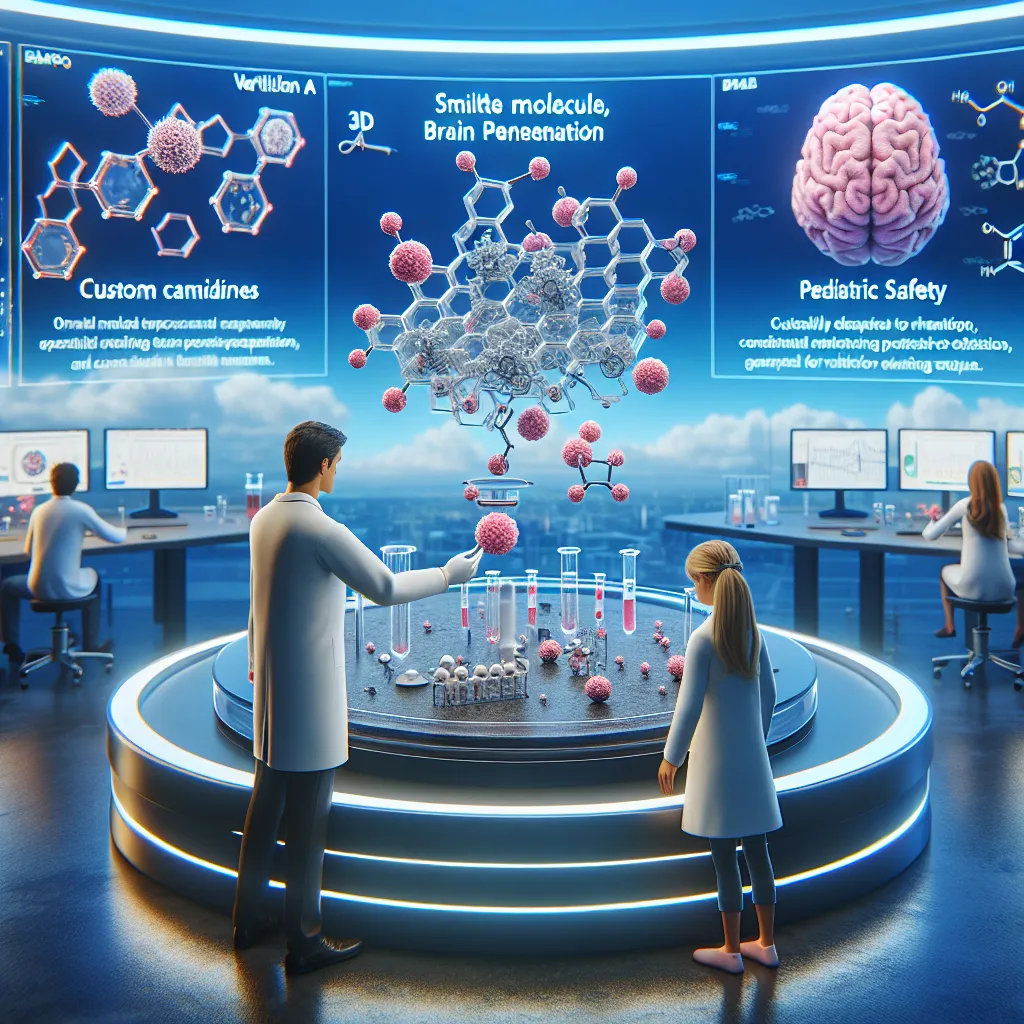
Brain cancers fail standard treatments partly because most small molecules can’t cross the blood-brain barrier or target epigenetic drivers like EZHIP. Families end up with no real options, and pharma avoids the space due to risk and cost. The solution is a studio dedicated to engineering epigenetic-modifier molecules specifically optimized for brain penetration, stability, and pediatric safety. “Why now” is driven by new synthetic control—MIT’s ability to modify verticillin A proves these scaffolds can be tuned for precision. Imagine a studio taking biopsy data from a DIPG patient, identifying the epigenetic defect, generating custom small-molecule candidates, and returning a preclinical-ready therapeutic designed for the brain instead of modified generics never meant for it.
Description
No additional description provided.
The Pitch
Understanding the urgent need within the realm of brain cancer treatment, it becomes evident that traditional approaches fall short, particularly when addressing pediatric brain cancers such as DIPG (Diffuse Intrinsic Pontine Glioma). The blood-brain barrier presents a significant challenge, as it prevents most small molecules from reaching the targeted area. Furthermore, the lack of therapeutics tailored to address epigenetic drivers, like EZHIP, adds to the difficulty. Consequently, families are often left with limited or ineffective treatment options, while pharmaceutical companies shy away due to the associated risks and high costs.
Identified Problem: The primary issue is the inability of existing treatments to effectively penetrate the blood-brain barrier and target critical epigenetic drivers. This has resulted in a treatment landscape where innovation is stagnant and progress is limited. Without targeted solutions, patients are left with generics that were never designed to adequately address the unique challenges of brain cancers.
Proposed Solution: The development of a specialized studio focused on engineering epigenetic-modifier molecules represents the future of brain cancer treatment. This studio would be dedicated to designing molecules that are not only optimized for brain penetration and stability but also ensure pediatric safety. By adopting a holistic approach that combines cutting-edge synthetic biology with deep insights into epigenetics, the studio can create molecules that are fundamentally different from existing therapies.
Product Details: The envisioned product is a highly specialized therapeutic platform. This platform would integrate: 1. Patient-Specific Data: Utilizing biopsy and genetic data from DIPG patients to identify unique epigenetic defects. 2. Molecule Design: Engineering small-molecule candidates that can effectively cross the blood-brain barrier and address identified defects. 3. Preclinical Testing: Producing therapeutics that are ready for preclinical trials, bridging the gap between research and real-world application.
Tools for MVP Launch: 1. Computational Modeling Software: To simulate molecular interactions and optimize designs for brain penetration. 2. Synthetic Biology Platforms: Tools to rapidly prototype synthetic pathways and thermodynamic properties of new compounds. 3. High-Throughput Screening: Systems to evaluate the efficacy and safety of numerous small-molecule candidates efficiently.
Go-to-Market Strategy: 1. Strategic Partnerships: Collaboration with research institutions and hospitals to gain access to patient data and clinical insights. 2. Pilot Programs: Launching pilot programs with leading oncology centers to validate the therapeutic platform's efficacy and safety. 3. Awareness Campaigns: Educating stakeholders in the medical and pharmaceutical industries about the advantages of the new treatment modality.
Business Model: The business model would be based on a combination of research grants, strategic partnerships, and licensing deals. By focusing on collaborations with academic institutions and biotech firms, the studio can share the financial and research burdens. Licensing the technology to pharmaceutical companies, post-validation, can also open significant revenue streams, ensuring the sustainability of innovation and development efforts.
Conclusion: The creation of a studio dedicated to developing brain-optimized epigenetic-modifier molecules promises to revolutionize the treatment landscape for brain cancers. By leveraging state-of-the-art synthetic biology techniques and fostering strategic collaborations, we can address the unmet needs in pediatric brain cancers, offering hope where there once was none.