Enhancing Prosthetics with Neuroadaptive Software
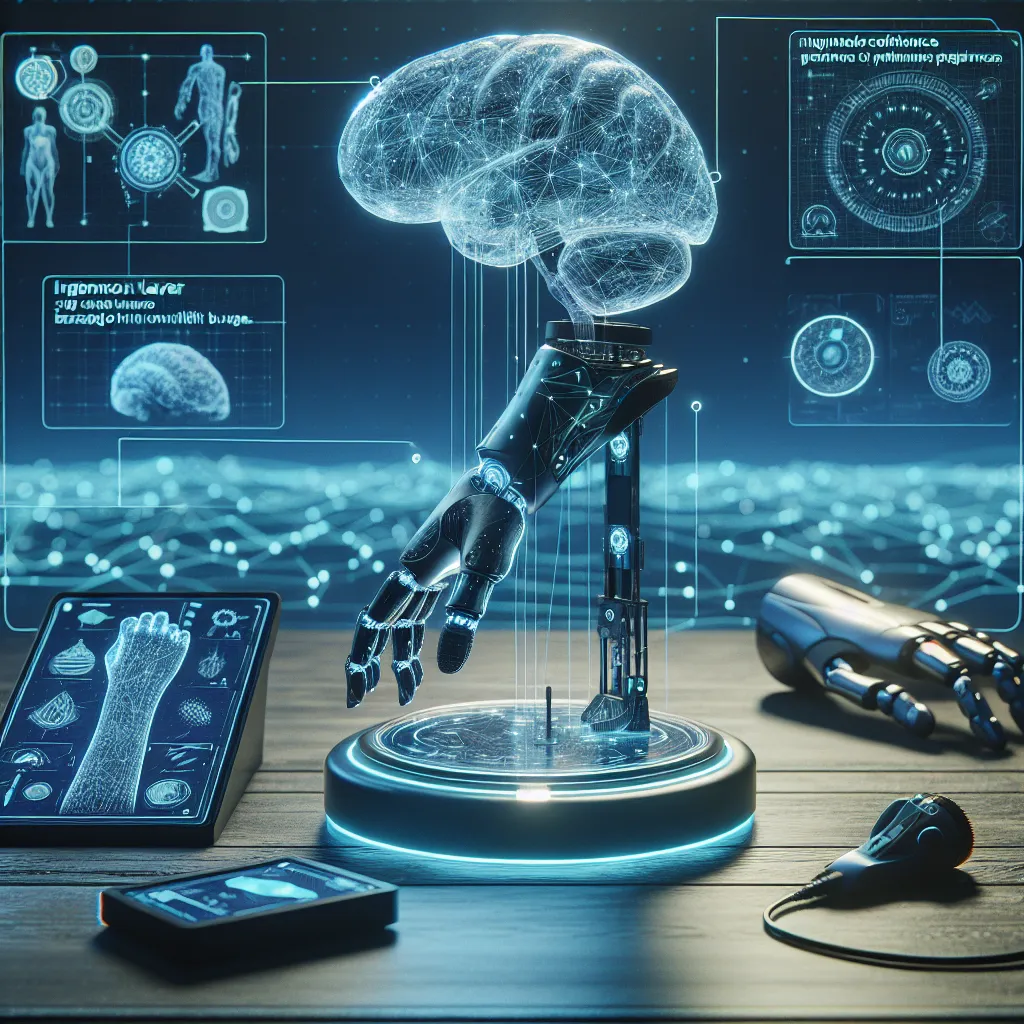
Modern prosthetics and robotic assist devices help people move—but they’re optimized for motion, not brain rewiring. The problem: they don’t adapt to how the user’s brain is trying to learn. This startup creates a software layer that helps prosthetics adjust based on the user’s neuroplasticity phases. The UCSD finding that motor learning depends on physical changes between thalamus and cortex means robots should support—not just mirror—that process. Why now? Robotics APIs and wearable EEGs can finally integrate real-time neural signals into feedback loops. Example: A robotic glove used in rehab could introduce micro-resistance or tactile feedback exactly when the user’s brain enters a rewiring burst, accelerating recovery. This gives hardware makers a plug-and-play “rewire protocol” that turns passive devices into active neuroplasticity trainers.
Description
No additional description provided.
The Pitch
In recent years, the field of prosthetics and robotic assist devices has made significant strides, offering improved mobility and functionality to users. However, these devices are primarily optimized for physical motion and lack the capability to adapt to the user's evolving brain activity during rehabilitation or regular use. This gap in adaptability presents a challenge to maximizing the potential of neuroplasticity, which is crucial for effective rehabilitation and learning.
The Challenge: Traditional prosthetics and robotic devices are designed to mimic or replace lost physical functions, but they do not actively engage with the user's brain as it undergoes learning and adaptation. With the brain's ability to rewire itself in response to new experiences and challenges, known as neuroplasticity, there is an untapped opportunity to enhance rehabilitation processes by aligning device functions with brain activity. Currently, the lack of integration between neuroplastic feedback and device operation means users may not be experiencing optimal recovery speeds or functional improvements.
The Solution: Our startup aims to bridge this gap by creating a software layer that integrates with existing prosthetic and robotic devices to facilitate real-time adaptation based on the user's neuroplasticity phases. Inspired by findings from UCSD on motor learning, we are developing a system that synchronizes device feedback with physical changes occurring in the brain, particularly between the thalamus and cortex. This approach ensures that robotic assist devices do more than mimic human movement—they actively support the brain's learning processes.
Product Overview: Our software layer acts as a plug-and-play solution for device manufacturers. It uses algorithms to interpret real-time neural signals captured by wearable EEGs, enabling prosthetics to offer personalized feedback that aligns with a user's brain activity patterns. For example, in rehabilitation settings, a robotic glove can introduce dynamic resistance or tactile stimulation precisely when the user's brain is most susceptible to forming new motor pathways, thus accelerating recovery.
Tools and Technologies: - Wearable EEG Devices: To capture real-time neural activity. - Robotics APIs: For seamless integration with existing prosthetic devices. - Machine Learning Algorithms: To decode and predict neuroplasticity phases for tailored feedback. - Cloud-Based Platform: For continuous updates and data-driven enhancements.
Go-To-Market Strategy: - Collaborate with leading prosthetic manufacturers to integrate our software as a value-add feature. - Partner with rehabilitation centers to conduct pilot studies demonstrating accelerated recovery times. - Engage with academic institutions for ongoing research and validation of efficacy. - Attend industry conferences to showcase technology benefits and establish credibility.
Business Model: Our revenue model includes a licensing agreement with hardware manufacturers, allowing us to earn royalties on every device equipped with our software layer. Additionally, a subscription-based model for rehabilitation facilities offers ongoing updates and support to leverage the latest findings and technological advancements.
In summary, our startup is poised to transform prosthetic and robotic assistive devices into powerful tools for enhancing human neuroplasticity. By aligning device operation with brain learning phases, we offer a solution that not only improves physical rehabilitation outcomes but also advances the synergy between human capabilities and technological innovation.