Enhanced Haptic Layers for Realistic Touch Experiences
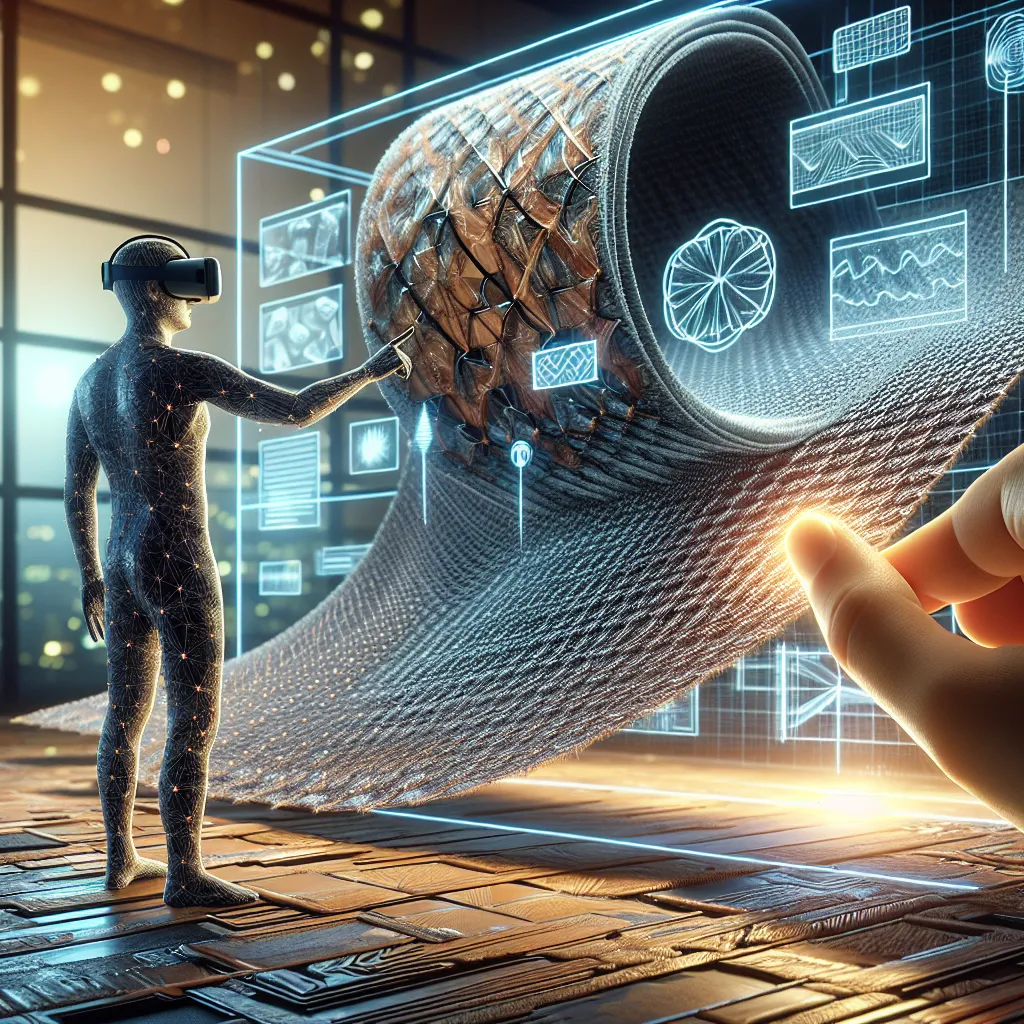
Haptics today are binary: buzz or don’t buzz. Neuromorphic skin unlocks continuous, expressive touch — texture, resistance, softness — at low power. This startup would build ultra-thin neuromorphic haptic layers for VR controllers, phones, and wearables. Why now: spatial computing is rising, but immersion breaks without believable touch. Example: scrolling fabric in VR that actually feels woven — not just vibrating plastic.
Description
No additional description provided.
The Pitch
As interaction with digital environments becomes more sophisticated, the demand for technologies that enhance the sensory experience is growing rapidly. While visual and auditory experiences have seen significant advancements, haptic feedback remains largely underdeveloped, mostly limited to simple vibrations. This gap presents an opportunity to transform digital interactions by making touch as expressive and nuanced as sight and sound.
### Identifying the Problem
Currently, haptic technology in devices like VR controllers, smartphones, and wearables is rudimentary. Feedback is limited to straightforward buzzing sensations, which do not impart any realistic sense of texture or resistance, thus breaking the immersion that users seek in digital environments. For example, consider the experience of scrolling through a virtual fabric that merely vibrates against your fingers without mimicking the woven texture it intends to represent.
### The Solution
The introduction of neuromorphic haptic layers can solve this problem by providing a more dynamic and realistic touch sensation. These ultra-thin layers are designed to mimic the nuances of touch, such as texture, resistance, and softness, while maintaining low power consumption. This innovation expands the boundaries of digital interaction, enabling users to experience digital content more authentically.
### Product Details
The envisioned product is a highly adaptable, neuromorphic haptic layer that can be integrated seamlessly into existing technologies. Key features would include:
- **Ultra-thin Design:** Allows for easy integration without compromising device aesthetics or ergonomics. - **Variable Texture Simulation:** Provides feedback that can simulate various textures accurately, from smooth surfaces to complex woven patterns. - **Low Power Consumption:** Ensures minimal impact on battery life, making it ideal for portable and wearable devices. - **Customizability:** Offers a range of tactile sensations that developers can program to suit different applications within VR, smart devices, and beyond.
### Tools for Easy MVP Launch
To develop a Minimum Viable Product (MVP), several tools and resources can be utilized:
- **Rapid Prototyping Platforms:** Use of platforms like Arduino or Raspberry Pi for initial prototypes. - **Simulation Software:** Tools such as Unity or Unreal Engine for creating and testing virtual environments. - **3D Printing:** Enables the creation of custom housing or integration components for the haptic layers. - **Collaboration with Material Scientists:** Partner with experts in flexible electronics to refine material properties.
### Go-to-Market (GTM) Strategy
The GTM strategy should focus on targeting key areas where enhanced haptic feedback can deliver the most significant impact:
1. **Strategic Partnerships:** Collaborate with VR headset manufacturers, smartphone companies, and wearable tech brands to integrate haptic layers into their devices. 2. **Developer Community Engagement:** Foster a community of developers who can innovate new applications for the technology. 3. **Industry Demonstrations:** Showcase the technology at major tech conferences and expos to generate interest and credibility. 4. **Niche Markets:** Initially target specialized industries such as gaming, medical simulations, and digital design, where the benefits of advanced haptics are immediately apparent.
### Business Model
Identify potential revenue streams that will sustain and grow the business, including:
- **Licensing Agreements:** License the technology to manufacturers looking to integrate advanced haptics into their products. - **Direct Sales:** Offer the haptic layers directly to developers and small businesses for custom applications. - **Subscription Model for Software:** Provide a software suite for ongoing updates and enhancements, ensuring that the technology continues to evolve with user needs.
In summary, the development of neuromorphic haptic layers holds the potential to radically transform how users interact with digital media. By resolving the limitations of current haptic technologies, this innovation not only enhances user experience but also opens up new possibilities for creative and practical applications in various industries.