Engaging Kids with Reward-Based Task System
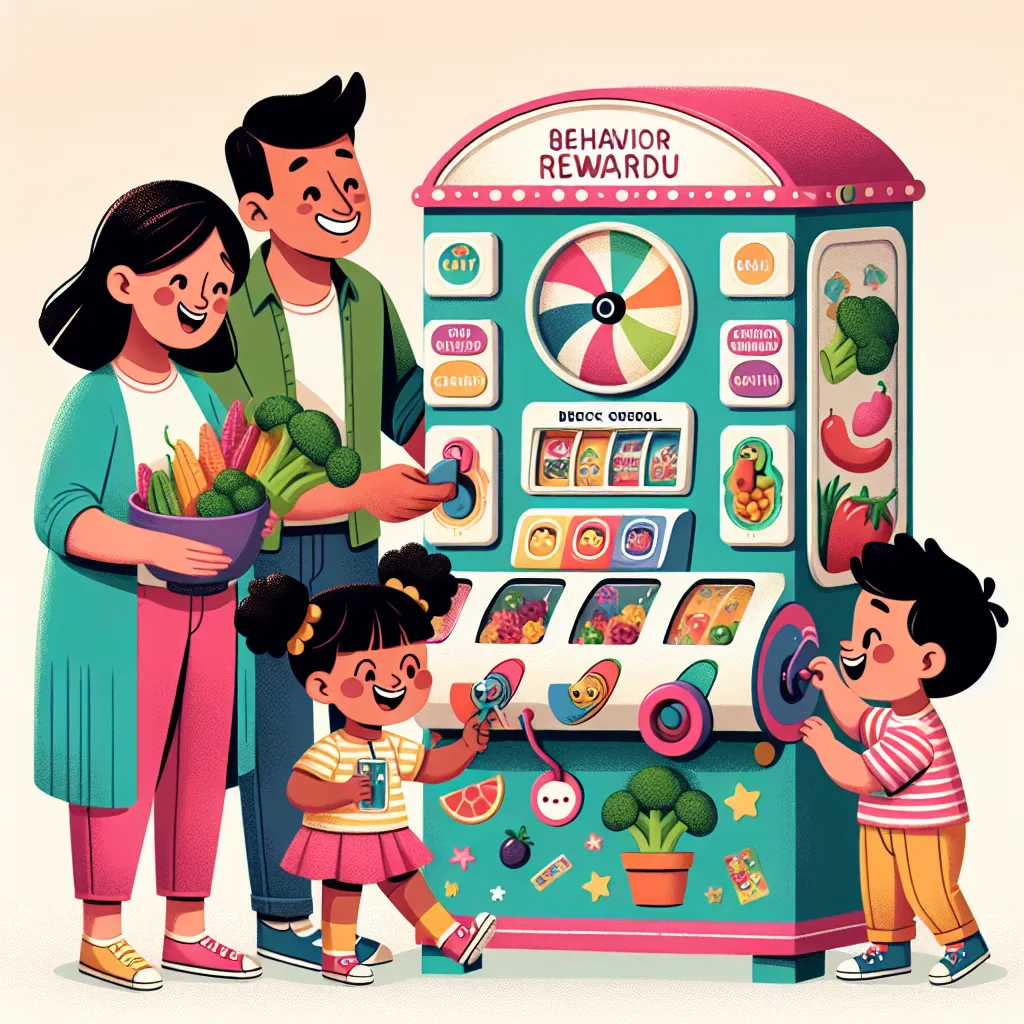
Parents often struggle to get kids to eat healthy foods or complete chores without constant prompting or bribery. This idea turns routine tasks into an intermittent reward system—like a slot machine that dispenses random treats after good behavior. The unpredictability boosts motivation more effectively than constant rewards. For example, a child might eat three bites of broccoli, pull a lever, and randomly receive a grape, a sticker, or nothing. Over time, the anticipation creates engagement, while parents maintain control over the healthiness and frequency of treats. The result is behavioral conditioning without coercion.
Description
No additional description provided.
The Pitch
Many parents find themselves in a continuous battle to encourage their children to eat healthier foods or complete household chores without resorting to incessant prompting or offering direct bribes. Traditional reward systems often become predictable and lose their motivational power. Here, we present an innovative approach that harnesses the principles of gamification and the psychological power of intermittent rewards to transform mundane tasks into engaging activities.
Backstory and Problem: In the daily lives of families, mealtime and chores are often points of contention. Parents aim to instill healthy eating habits and a sense of responsibility in their children, but the constant negotiation and coaxing can be exhausting. While some families use reward charts or treat-based incentives, these systems can become stale and lose their effectiveness over time.
Solution: The proposed system draws inspiration from the concept of variable rewards, akin to the mechanics of a slot machine. By introducing an element of unpredictability, children are more likely to engage consistently with tasks such as eating vegetables or tidying their rooms. The thrill of anticipation associated with a potential reward can significantly enhance intrinsic motivation, making everyday activities more appealing to young minds.
Product Details: The core of this system is a physical or digital device that operates similarly to a slot machine. When a child completes a predefined task, they have the opportunity to pull a lever or press a button, triggering a randomized reward sequence. Possible rewards range from small tangible items like a grape or sticker to non-tangible acknowledgments, like an extra bedtime story or a few extra minutes of playtime. Crucially, the rewards are sporadic, maintaining an element of surprise and maximizing engagement.
Tools for MVP Launch:
1. Hardware Components: For a physical prototype, consider simple mechanical elements like a lever mechanism coupled with a randomization sensor to trigger a set of predetermined outcomes.
2. Digital Platform: Develop a mobile app that can provide a digital experience of the reward system, incorporating engaging animations and sound effects for added excitement.
3. No-Code Solutions: Leverage platforms like Bubble or Adalo for app development, which allow for rapid prototyping without extensive coding knowledge.
4. Randomization Logic: Use basic algorithms to ensure the randomness of reward distribution, keeping them unpredictable yet fair.
Go-To-Market Strategy:
1. Market Research: Conduct surveys and focus groups with parents to refine the system and ensure it meets family needs.
2. Initial Target Audience: Focus on parents with children aged 4-10, particularly those interested in gamification and innovative parenting solutions.
3. Partnerships: Collaborate with pediatricians, family therapists, and educational consultants to endorse the product.
4. Social Media Campaigns: Utilize platforms like Instagram and Facebook to share success stories, user testimonials, and video demonstrations.
5. Pilot Program: Launch a pilot version in select kindergartens or community centers to gather feedback and iterate on the design.
Business Model:
1. Direct Sales: Offer the product for purchase through an e-commerce site, with options for both physical machines and digital app subscriptions.
2. Subscription Service: Implement a recurring revenue model for the app version, offering parents ongoing access to new reward options and customization features.
3. Licensing Opportunities: License the technology to toy manufacturers or educational suppliers to expand reach.
4. In-App Purchases: For the digital version, provide parents the option to buy additional features or themed reward packs, enhancing the experience.
Conclusion: By reinventing traditional reward systems through the lens of gamification, this product addresses a common parental challenge while providing children with an engaging method to develop healthy habits and responsibilities. With the right tools and strategies, this system not only has the potential to transform behavior management but also to empower parents to create enjoyable and productive routines in their households.