Energy Storage for 24/7 AI Compute — Optimized for Nuclear and Hydrogen
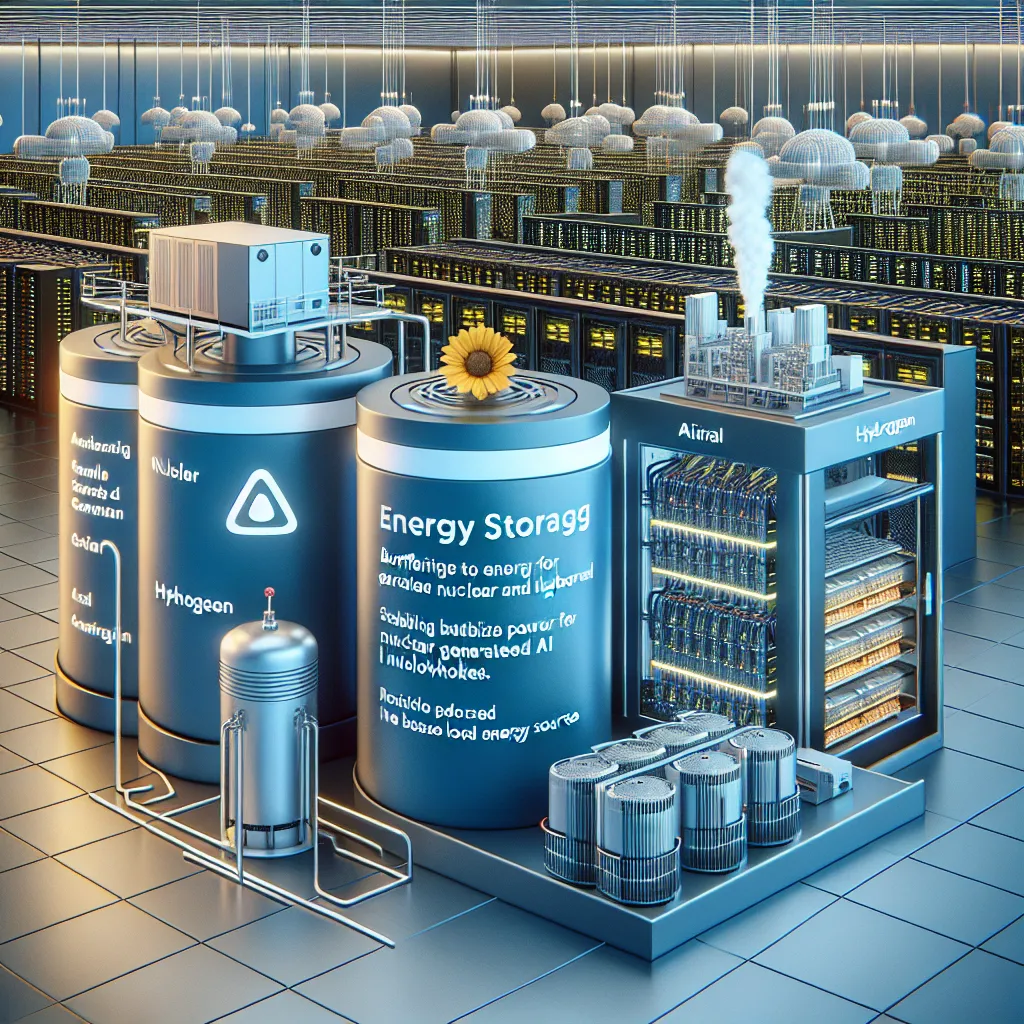
AI workloads demand constant, uninterruptible power, but most energy storage is optimized for fast, short-term bursts from solar and wind. Nuclear and hydrogen provide more stable output but still have load fluctuations. The solution is an energy storage system designed specifically to smooth nuclear and hydrogen generation for high-compute workloads. Why now? The shift to nuclear and hydrogen for clean base load is underway, and AI data centers need infrastructure tuned to these sources — not just renewables. Example: Meta installs specialized storage banks to buffer their small modular nuclear reactor, ensuring consistent energy supply for AI training without hitting the broader grid or facing outages.
Description
No additional description provided.
The Pitch
In the era of rapid technological advancements, artificial intelligence (AI) is taking center stage. AI workloads are inherently demanding, requiring constant and uninterrupted power. This creates a significant challenge, as most existing energy storage solutions are optimized for short-term, high-intensity bursts typically derived from solar and wind sources. Although nuclear and hydrogen power can offer more stable outputs, they still face load fluctuations that are unsuitable for AI's high-compute demands. This document outlines a novel approach to address these challenges.
Background:
As the global push towards clean energy intensifies, nuclear and hydrogen have emerged as prime candidates for providing the necessary base load energy. Unlike traditional renewables, these sources offer stability and reliability. However, the infrastructure to seamlessly integrate them into systems operating AI workloads is lacking. This gap presents an opportunity to develop a specialized energy storage system that can bridge the differences between generation variability and AI's continuous power needs.
The Problem:
The integration of renewable energy sources such as nuclear and hydrogen into AI data centers faces a fundamental problem: balancing load fluctuations. AI tasks like training and inference require a steady power supply, but the inherent fluctuations in nuclear and hydrogen energy outputs can lead to inefficiencies, grid strain, and potential outages. Existing storage solutions aren't optimized for these scenarios, leading to resource underutilization and compromised AI performance.
The Solution:
Our proposed solution is an advanced energy storage system designed specifically to buffer the fluctuations inherent in nuclear and hydrogen power generation. By smoothing out these variations, the system will provide a consistent and reliable power supply tailored to the unique demands of AI workloads. This approach ensures that AI data centers can operate without disruptions, optimizing their energy usage and enhancing overall efficiency.
Product Details:
The advanced energy storage system comprises modular storage banks that interface seamlessly with nuclear and hydrogen power sources. These banks leverage cutting-edge battery technology, possibly incorporating elements like solid-state batteries or high-capacity capacitors, to store energy and release it steadily as needed. The system integrates smart grid technology that dynamically adjusts storage and release cycles based on real-time power demands and predictive analytics.
Tools for MVP Launch:
1. Battery Management Software: Enables real-time monitoring and automated adjustments to optimize storage and draw based on demand. 2. IoT Sensors: Provide continuous feedback on power usage and generation fluctuations, feeding data into the predictive analytics system. 3. Predictive Analytics Algorithms: Anticipate power demand and adjust storage operations to maintain a stable supply.
Go-to-Market Strategy:
1. Partnerships: Collaborate with AI-centric organizations interested in reducing energy costs and carbon footprints, as well as with nuclear and hydrogen energy providers. 2. Pilot Programs: Launch pilot projects with AI data centers, such as those operated by tech giants like Meta, to demonstrate the system's efficacy and build case studies. 3. Marketing and Awareness: Leverage industry conferences, digital marketing, and white papers to educate potential customers on the benefits and unique value proposition of the solution.
Business Model:
The business will operate under a subscription-based model, where customers pay a monthly fee for access to the energy storage system with levels of service and capacity tiered to meet varying demands. This model ensures recurring revenue while aligning with customers' sustainability goals. Additionally, offering a leasing option for the storage banks allows for a lower entry cost for organizations, increasing adoption rates.
Conclusion:
As AI continues to revolutionize industries, the demand for reliable and sustainable energy solutions will only grow. By addressing the unique challenges associated with integrating nuclear and hydrogen power for AI workloads, this energy storage system positions itself as an essential component in the evolution of clean energy infrastructure. With the right technology, partnerships, and strategy, this solution has the potential to set a new standard in powering the AI-driven future while aligning with global sustainability goals.