Energy-Aware Scheduling for AI Workloads
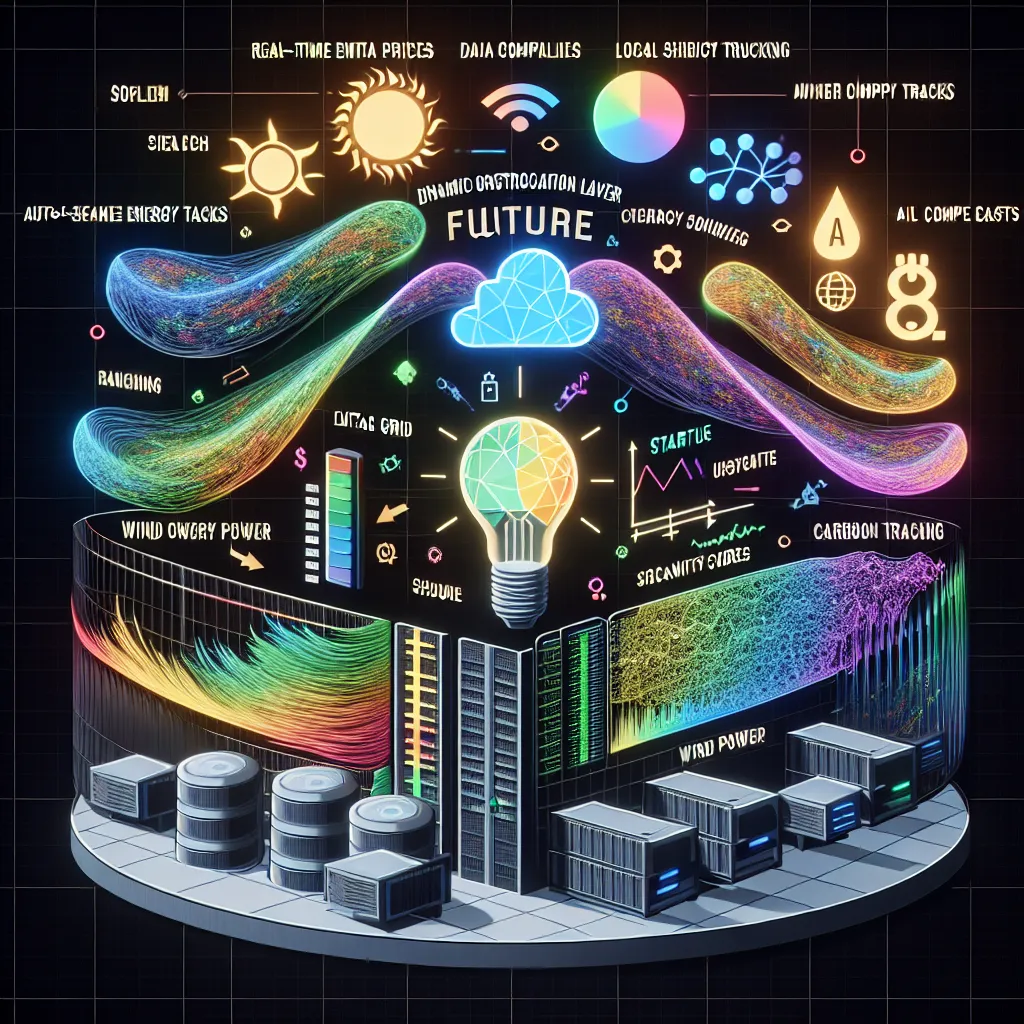
As AI workloads skyrocket, data centers are putting massive strain on aging electric grids. Most centers still run compute jobs 24/7, regardless of grid load, energy price, or carbon intensity—wasting money and worsening emissions. The solution: a dynamic orchestration layer that shifts AI compute jobs to time slots when power is cheapest and greenest. It uses real-time energy pricing, local grid data, and carbon tracking to schedule workloads intelligently. The trend is clear: NVIDIA, Meta, and others are urgently seeking energy-optimized compute—but there’s no plug-and-play tool for smaller players. A mid-sized AI company could use this to cut energy costs by 30% while boosting sustainability scores. For example, a regional LLM startup could auto-shift training runs to overnight hours when wind power surges and grid prices drop, without any manual config. This would democratize energy-aware AI—and reduce the risk of blackouts.
Description
No additional description provided.
The Pitch
As AI workloads increase at an unprecedented rate, data centers are increasingly burdening outdated electric grids. The traditional operation model for these centers involves running compute jobs continuously, without regard to grid load, fluctuating energy prices, or carbon intensity. This approach not only leads to unnecessary expenditure but also exacerbates environmental impacts.
The emerging challenge is clear: the industry urgently requires a solution that allows for more efficient and environmentally friendly operation of AI workloads. The answer lies in a dynamic orchestration layer that intelligently allocates AI compute jobs to periods when energy is most affordable and environmentally friendly. By leveraging real-time data on energy pricing, local grid load, and carbon emissions, this orchestration layer can optimize workload scheduling, balancing performance needs with sustainability goals.
Large tech companies like NVIDIA and Meta are already making strides towards energy-optimized computing. However, there is a noticeable gap in easy-to-deploy solutions for smaller and mid-sized AI enterprises. Developing and launching a dynamic orchestration platform could enable these smaller entities to cut energy expenses significantly—by up to 30%—while enhancing their sustainability credentials.
Picture a scenario where a regional language model startup can automatically schedule its compute-intensive training processes during off-peak hours. During these times, wind energy is more abundant and electricity costs plummet, all without the need for manual intervention. This kind of automation can be pivotal in making AI technology more energy efficient and resilient against potential grid failures.
For those interested in building such a platform, the MVP (minimum viable product) could focus on core functionalities such as API integration with energy pricing data sources, workload scheduling based on grid load and carbon intensity, and a user interface for real-time monitoring and manual adjustment. Development tools and frameworks like Kubernetes for container orchestration, Prometheus for monitoring, and Flask or Django for the web interface might be useful in building the initial product.
The go-to-market strategy could involve targeting mid-sized AI companies and regional startups through industry conferences, B2B marketing campaigns, and partnerships with cloud service providers that emphasize sustainability. Highlighting case studies and testimonials that showcase energy and cost savings would be critical in building credibility and awareness.
In terms of the business model, offering the platform as a subscription service with tiered pricing based on compute capacity could be effective. Additional revenue streams could include enterprise contracts for large-scale deployments and consulting services to assist companies in optimizing their workload management strategies.
In summary, by addressing the pressing need for smarter AI workload scheduling with the right tools and strategies, this solution promises to reduce operational costs and promote sustainability, making it a compelling prospect for mid-sized companies eager to enhance their environmental stewardship.