Endowment-Level Investment Access for Smaller Institutions
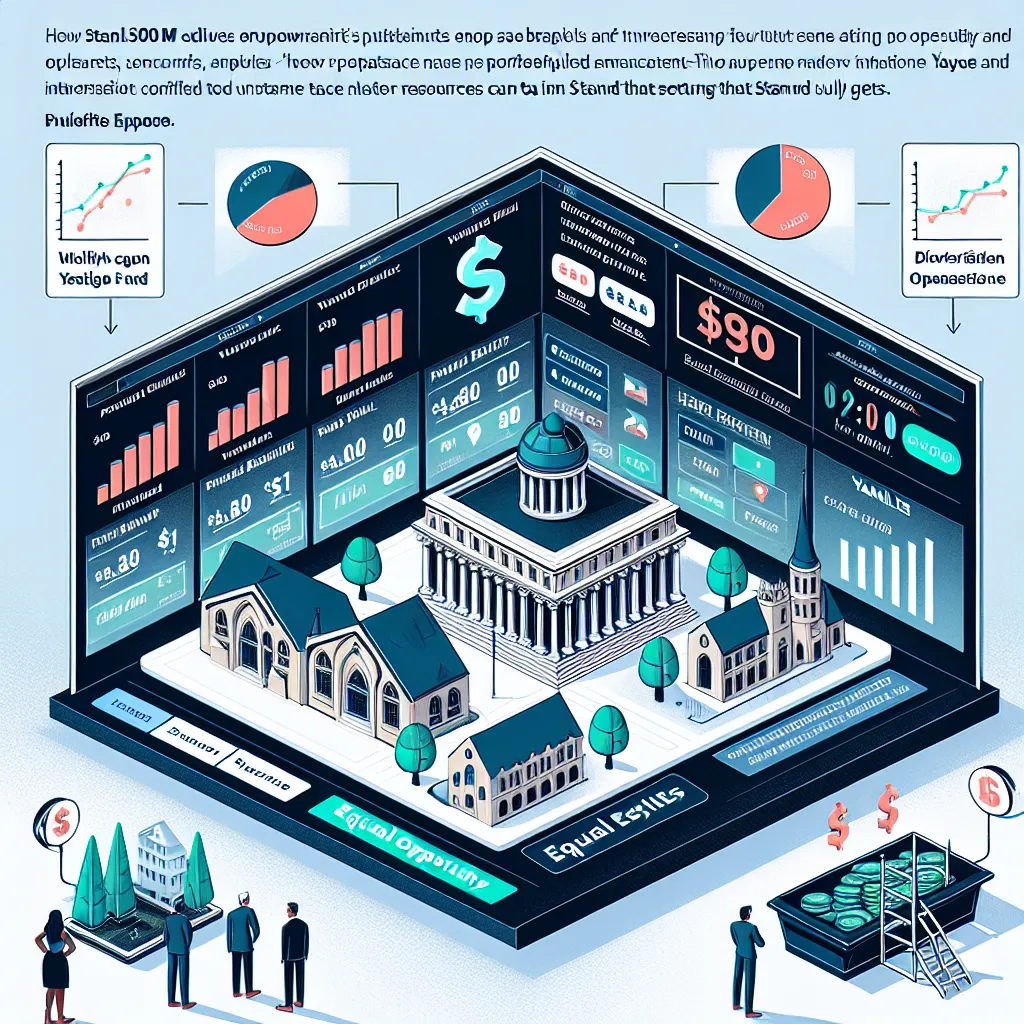
Smaller universities and nonprofits lack access to elite investment managers and sophisticated allocation strategies like those used by top endowments (Harvard, Yale). This leads to underperforming portfolios and lost funding potential. A fintech platform could democratize access to endowment-level strategies, offering a pooled investment vehicle with diversified exposure to private equity, venture capital, real estate, and hedge funds. It would automate portfolio management, allowing smaller institutions to mimic Yale-style returns without needing an in-house team. As wealth gaps widen between elite and mid-tier institutions, technology and pooled structures (seen in venture and private equity) make it possible to scale complex strategies. Example: A Wealthfront-for-Endowments giving a $100M endowment access to the same private funds that Stanford gets.
Description
No additional description provided.
The Pitch
Smaller universities and nonprofit organizations often face significant challenges in accessing elite investment managers and sophisticated allocation strategies that are typically available to larger institutions like Harvard and Yale. This disparity leads to underperforming investment portfolios and lost funding potential, which can hinder their growth and impact.
Understanding the Problem
Many educational institutions and nonprofits do not have the financial resources or investment expertise to develop in-house teams capable of managing their investments effectively. Consequently, their portfolios may not be as diversified or strategically allocated as those managed by top-tier endowments. This results in potentially lower returns, limiting their ability to finance scholarships, research, community projects, and other initiatives.
The Proposed Solution
To address this gap, we propose developing a fintech platform designed to democratize access to endowment-level investment strategies. This platform would operate as a pooled investment vehicle, offering diversified exposure to private equity, venture capital, real estate, and hedge funds. By automating the portfolio management process, the platform would enable smaller institutions to achieve returns comparable to those of larger endowments like Yale, without requiring an in-house investment team.
Product Details
The platform can be envisioned as a comprehensive digital tool that provides:
1. Diversified Investment Options: Access to diversified investment opportunities across various asset classes such as private equity, venture capital, real estate, and hedge funds.
2. Automated Portfolio Management: Algorithms to manage portfolio allocation and rebalancing, aligned with a tailored investment strategy suitable for each institution’s specific goals and risk tolerance.
3. User-Friendly Interface: Easy-to-navigate dashboards and reporting tools to track performance, providing transparency and insights into investment strategies and portfolio performance.
4. Compliance and Security: Ensured compliance with financial regulations and robust security measures to protect sensitive data and investments.
Tools for Launching as an MVP
Launching this platform as a minimum viable product (MVP) requires leveraging a range of tools and methodologies:
1. Lean Startup Methods: Conducting market research and developing a business model canvas to identify key assumptions and validate ideas through iterative prototyping.
2. Fintech APIs: Utilizing financial technology APIs for access to real-time market data, executing trades, and managing accounts.
3. Cloud Platforms: Using cloud computing services like Amazon Web Services (AWS) or Microsoft Azure to host the platform, ensuring scalability and reliability.
4. Data Analytics: Implementing analytics tools to gather insights on user behavior and platform performance, driving continuous improvement.
Go-To-Market Strategy (GTM)
1. Early Adopters: Target smaller universities and nonprofits with clear financial goals and existing frustrations with current investment strategies. Building an initial user base through referrals and testimonials.
2. Strategic Partnerships: Form alliances with financial advisors, consultant networks, and nonprofit associations to increase visibility and credibility.
3. Educational Outreach: Conduct workshops, webinars, and seminars to educate potential users about the benefits of advanced investment strategies accessible through the platform.
4. Digital Marketing: Utilize targeted online marketing campaigns to reach decision-makers at prospective client organizations, emphasizing cost-effectiveness and potential returns.
Business Model
The platform could adopt a subscription and performance-based fee structure. Institutions would pay a baseline subscription fee to access the platform, coupled with a performance fee based on the returns generated above a defined benchmark. This aligns incentives between the platform and its users, ensuring a shared interest in achieving superior investment outcomes.
By providing streamlined access to sophisticated investment strategies, this platform aims to empower smaller institutions to optimize their portfolios, enhance their funding capabilities, and ultimately amplify their mission-driven impact.