Empowering Women's Health Trials in Underserved Regions
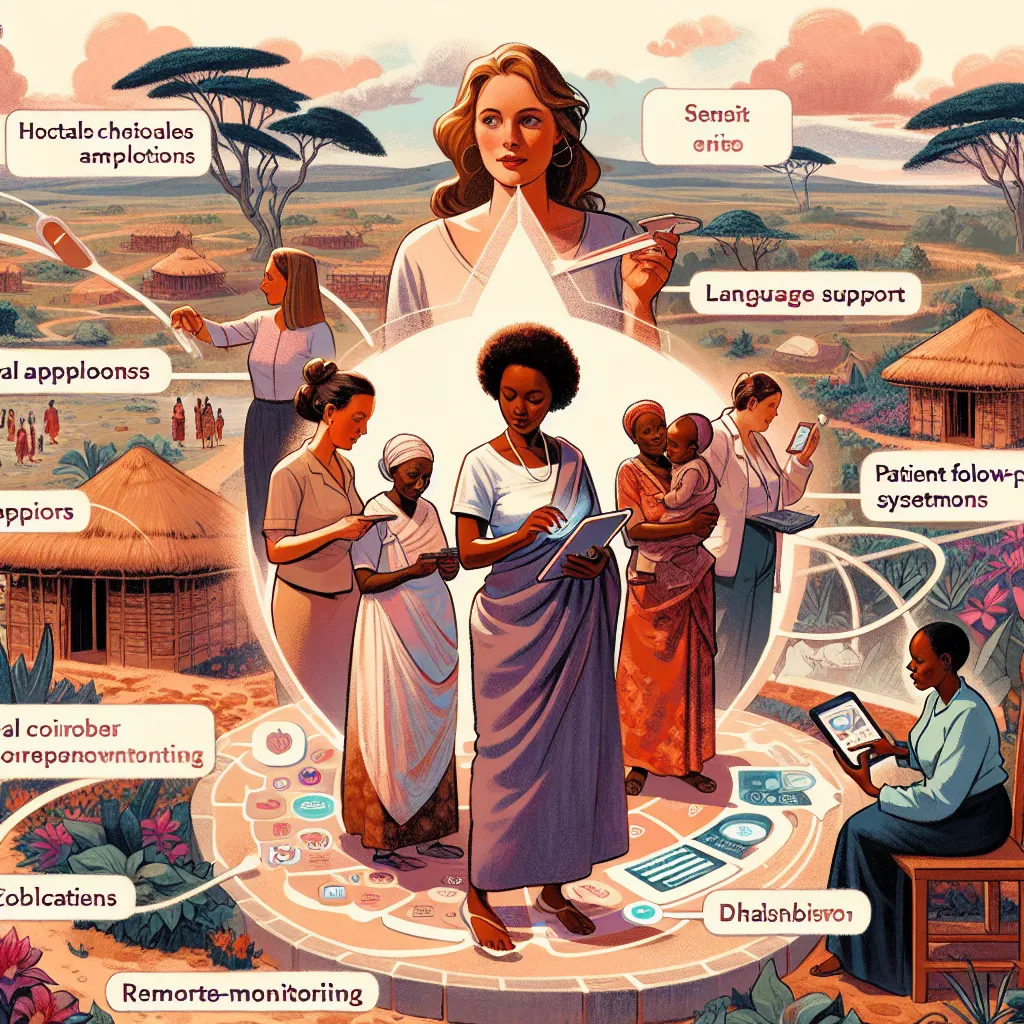
Millions of women in low- and middle-income regions suffer from health conditions that remain understudied due to the lack of local clinical trials. Despite the burden, pharma companies rarely run trials in these areas due to logistical complexity, regulatory hurdles, and recruitment challenges. This startup would act as a plug-and-play platform that helps sponsors run women’s health trials in underserved markets by managing local approvals, community health worker networks, language support, and patient follow-up systems. It creates a trusted pipeline of diverse participants and localized insight. For instance, a biotech company testing a hormone therapy could run a compliant trial in rural Kenya using the platform’s local coordinator system and remote-monitoring dashboard.
Description
No additional description provided.
The Pitch
Millions of women in low- and middle-income regions experience health issues that are often overlooked due to the absence of local clinical trials. Despite the significant health concerns, pharmaceutical companies seldom conduct trials in these regions because of the complicated logistics, stringent regulatory requirements, and difficulties in recruiting participants.
To address this, a startup is proposed that serves as an integrative platform aiding pharmaceutical sponsors in conducting women's health trials in underserved markets. This platform will streamline the process by managing local regulatory approvals, coordinating with community health worker networks, providing language support, and establishing robust patient follow-up systems. By doing so, it aims to create a reliable pipeline of diverse participants and generate localized insights that are vital for comprehensive health solutions.
The platform would, for instance, enable a biotech company interested in testing a hormone therapy to conduct a compliant trial in rural areas of Kenya. Through its local coordinator system and advanced remote-monitoring dashboard, the platform simplifies trial management, ensures compliance, and ensures effective communication and oversight from a distance.
To launch this as a Minimum Viable Product, several tools and strategies could be employed. Initially, the platform could utilize cloud-based services like AWS or Azure for scalable and secure data management. For seamless communication and project management, tools like Slack, Trello, or Asana could be implemented. Moreover, leveraging telemedicine technologies could ensure reliable remote monitoring.
The Go-To-Market strategy would involve targeting both pharmaceutical companies and local health authorities to establish partnerships. Strategic alliances with non-governmental organizations already working in women's health care in these regions can enhance credibility and local engagement. Digital marketing campaigns focusing on the impact and accessibility offered by the platform could also help in capturing the interest of potential collaborators.
The business model could be based on a subscription or pay-per-use model, where pharmaceutical companies are charged for each trial they run through the platform. Offering tiered pricing plans with premium features for larger trials or multi-country studies may also be an attractive option.
By bridging the gap between pharmaceutical companies and underserved regions, this platform aspires to revolutionize women's health research, making groundbreaking treatments accessible globally.