Empowering Unpaid Caregivers with Financial Credits
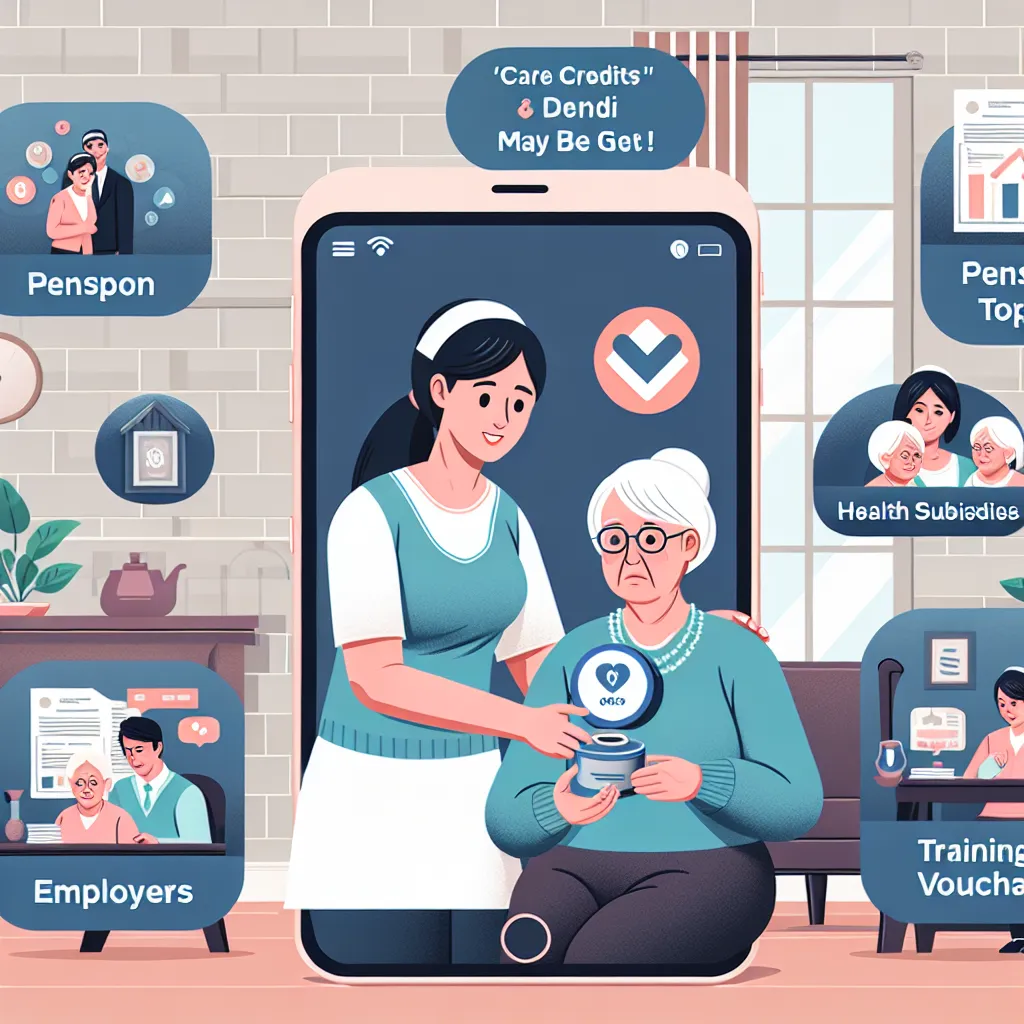
Caregiving—often unpaid and disproportionately done by women—erodes long-term financial security and workforce participation. “Providing care… has long-term implications for financial stability”. A startup could build a platform that quantifies caregiving hours and turns them into portable “care credits” that accumulate into benefits like pension top-ups, health subsidies, or training vouchers. These credits could be logged via a mobile app verified by medical or community attestations. Governments and employers could fund or match credits. For example, a daughter caring for her aging mother full-time could accrue credits each month, which later translate into supplemental pension points or tuition for upskilling courses when she re-enters the workforce. This helps monetize and protect the economic value of unpaid care work.
Description
No additional description provided.
The Pitch
The role of informal caregiving, often undervalued, is a significant yet invisible contribution to both families and economies. Caregiving responsibilities are predominantly shouldered by women, contributing to gender disparities in workforce participation and long-term financial security. Many caregivers take time off or work part-time to provide care, which affects their career progression and retirement savings. Despite the vital role they play, caregivers often lack financial support or recognition for their contributions.
**Problem**
Unpaid caregiving is a double-edged sword; it offers personal fulfillment but comes at a cost of economic security. The absence of formal recognition and financial compensation makes caregiving unsustainable for many. This has long-term ramifications, including reduced pension savings, limited career progression, and lack of access to educational opportunities that could facilitate reentry into the workforce. The problem lies in the absence of a system that acknowledges and compensates the economic value of caregiving, thereby eroding financial stability for millions of caregivers.
**Solution**
Introducing a platform that quantifies caregiving hours and converts them into Care Credits. These credits act as a form of social currency that caregivers can use towards various benefits, such as pension supplements, health subsidies, or educational vouchers. Credits accumulate over time and are logged via a user-friendly mobile application, verified through medical or community attestations. By integrating this system with government and employer support, Care Credits become a sustainable solution to reward and recognize unpaid caregiving.
**Product Details**
The core product is a mobile application designed with the following features:
1. **Care Log**: A digital diary where caregivers can log their hours, specifying activities and care recipients.
2. **Verification System**: Integration with healthcare institutions and community organizations to authenticate caregiving hours.
3. **Credit Accrual**: Automated calculation of Care Credits based on logged hours and predefined metrics.
4. **Benefits Store**: An in-app marketplace where caregivers can redeem credits for various benefits, such as pension top-ups, health subsidies, or educational courses.
5. **Analytics Dashboard**: Provides insights into caregiving patterns, helping users manage their responsibilities better.
6. **Community Support**: A forum for caregivers to share experiences, access resources, and receive peer support.
**Tools for Launching as an MVP**
1. **App Development Platforms**: Use tools like Flutter or React Native for cross-platform mobile app development.
2. **Authentication APIs**: Integration with institutions through APIs for verifying caregiving hours.
3. **Cloud Storage**: Utilize services like AWS or Google Cloud for secure data storage and management.
4. **Payment Integration**: Incorporate payment solutions such as Stripe for processing benefits transactions.
5. **Analytics Tools**: Use software like Google Analytics or Mixpanel to track user engagement and optimize the app over time.
**Go-to-Market Strategy (GTM)**
1. **Partnerships**: Collaborate with healthcare providers, NGOs, and local government bodies to promote the platform.
2. **Pilot Programs**: Launch initial pilots in diverse communities to gather feedback, refine features, and generate case studies.
3. **Awareness Campaigns**: Use social media and educational workshops to raise awareness around the economic value of caregiving.
4. **Influencer Marketing**: Partner with influencers in the caregiving and women’s empowerment spaces to reach and engage target audiences.
5. **Corporate Outreach**: Engage with employers to provide Care Credits as part of their corporate social responsibility initiatives.
**Business Model**
1. **Subscription Fees**: Offer premium features on a subscription basis for advanced analytics or priority access to benefits.
2. **Government & Employer Funding**: Establish co-funding arrangements where governments or employers contribute to the Care Credit pool.
3. **Commission on Benefits**: Earn a commission from transactions in the benefits marketplace.
4. **Data Insights**: Offer aggregated, anonymized caregiving data insights to institutions for policy-making and research purposes.
By creating a platform that recognizes and compensates caregiving in tangible ways, we not only support caregivers but also promote economic stability and gender equality in the workforce. This initiative stands to transform caregiving from an invisible labor of love into a recognized and rewarded socio-economic asset.