Empowering Rural Communities Through Data Cooperatives
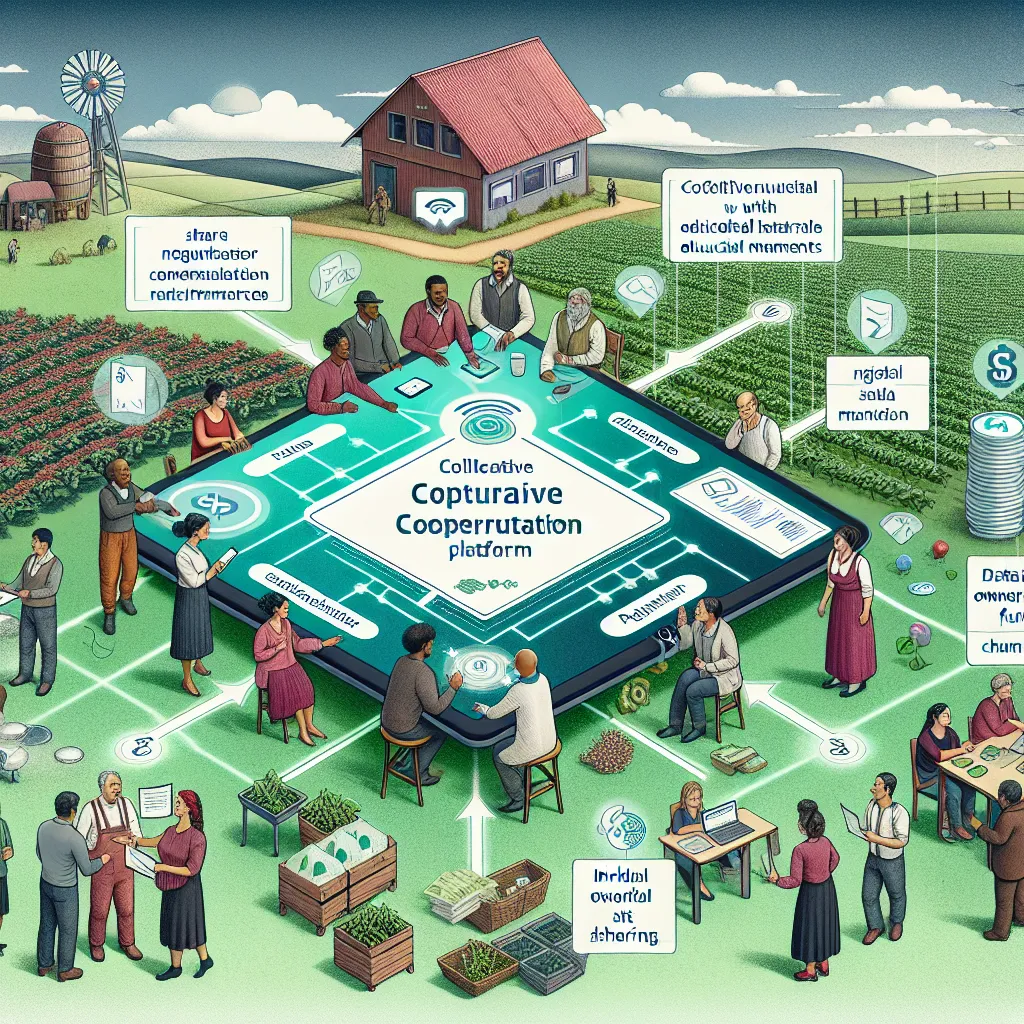
Rural and underserved populations are often excluded from the growing data economy because they lack bargaining power, access to legal resources, or knowledge about how to value their data. This leads to a situation where their digital footprints are either undervalued or exploited without their consent. A digital cooperative platform would enable these communities to pool their personal and behavioral data, collectively negotiate with data buyers, and share profits equitably among members. By combining education, legal frameworks, and shared digital wallets, the co-op ensures fair compensation and transparency. Now is the perfect time to launch this, as initiatives like Brazil’s dWallet pilot show that governments and markets are waking up to the idea of individual data ownership. For example, a rural farmers’ co-op could not only sell crops but also monetize collective data from mobile use, farm sensors, and financial transactions, ensuring they get paid fairly for their digital contributions.
Description
No additional description provided.
The Pitch
Rural and underserved populations are often marginalized in the expanding data economy. Their limited access to bargaining leverage, legal resources, and understanding of data valuation means that they frequently miss out on the benefits of their own digital footprints. This situation often results in these communities either being undervalued or having their data exploited without their consent.
Problem Statement
The core issue faced by these communities is exclusion from meaningful participation in the data economy. Without the necessary tools and knowledge, they are unable to capitalize on the data they generate. This lack of empowerment leads to missed economic opportunities and perpetuates cycles of poverty and inequality.
Solution
A digital cooperative platform can offer a solution by empowering these communities. By pooling personal and behavioral data, members can collectively negotiate with data buyers and ensure that profits are distributed equitably. This platform would be grounded in a system that includes education, robust legal frameworks, and shared digital wallets, facilitating fair compensation and transparency.
Product Details
The proposed platform would function as a digital cooperative, designed to enable community members to own and monetize their data. Key features would include:
1. **Data Pooling**: Community members can contribute their personal and behavioral data to a collective pool, increasing their bargaining power.
2. **Negotiation Tools**: The platform will offer tools and resources to help these communities understand the value of their data and negotiate effectively with data buyers.
3. **Revenue Sharing**: Profits from data sales would be distributed among co-op members, ensuring equitable compensation.
4. **Educational Resources**: The platform will provide educational modules to inform members about data rights, valuation, and negotiation tactics.
5. **Legal Support**: Access to legal resources to provide guidance on data rights and contract negotiation.
6. **Digital Wallets**: Secure digital wallets for managing and distributing profits among members.
Tools for MVP Launch
To facilitate the launch of a Minimum Viable Product (MVP), several tools can be utilized:
1. **Platform Development**: Use low-code platforms like Bubble or OutSystems for rapid development of web and mobile applications.
2. **Data Management**: Employ cloud-based data management solutions such as AWS or Google Cloud to ensure scalability and security.
3. **Educational Content**: Develop educational materials using platforms like Teachable or Coursera to provide accessible training modules.
4. **Digital Wallet Integration**: Utilize established digital wallet solutions like PayPal or Stripe for seamless financial transactions.
GTM Strategy
1. **Community Engagement**: Partner with local organizations and community leaders to raise awareness and encourage participation in the co-op.
2. **Pilot Programs**: Start with pilot programs in select communities to demonstrate value and fine-tune the platform based on feedback.
3. **Partnerships**: Collaborate with NGOs, governmental bodies, and tech firms to expand reach and credibility.
4. **Marketing Campaigns**: Implement targeted marketing campaigns that highlight success stories and the benefits of data ownership.
Business Model
The business model for this platform would center on a cooperative structure, ensuring that profits from data sales are shared among members. Revenue streams could include a small commission on each transaction and premium educational services. The platform could also explore partnerships with data buyers to establish a subscription-based model for data access, providing a stable income stream for the cooperative.
Conclusion
With rising awareness around data ownership, the time is ripe for launching a digital cooperative platform that empowers rural and underserved populations. By offering a comprehensive solution that blends education, legal frameworks, and digital tools, this platform can unlock new economic opportunities and foster greater equality in the data economy.