Empowering Kids as Co-Creators in Design
Children increasingly influence home design, clothing, and purchasing decisions — but most brands still market to parents. The opportunity is a brand layer that treats kids as co-creators, not end users. Build customizable decor lines, furniture, and fashion where kids design elements digitally and see them produced. Why now? Gen Alpha is growing up in participatory digital environments; passive consumption feels outdated. Example: a bedroom brand where kids design wall panels in an app and receive physical, snap-in versions delivered monthly.
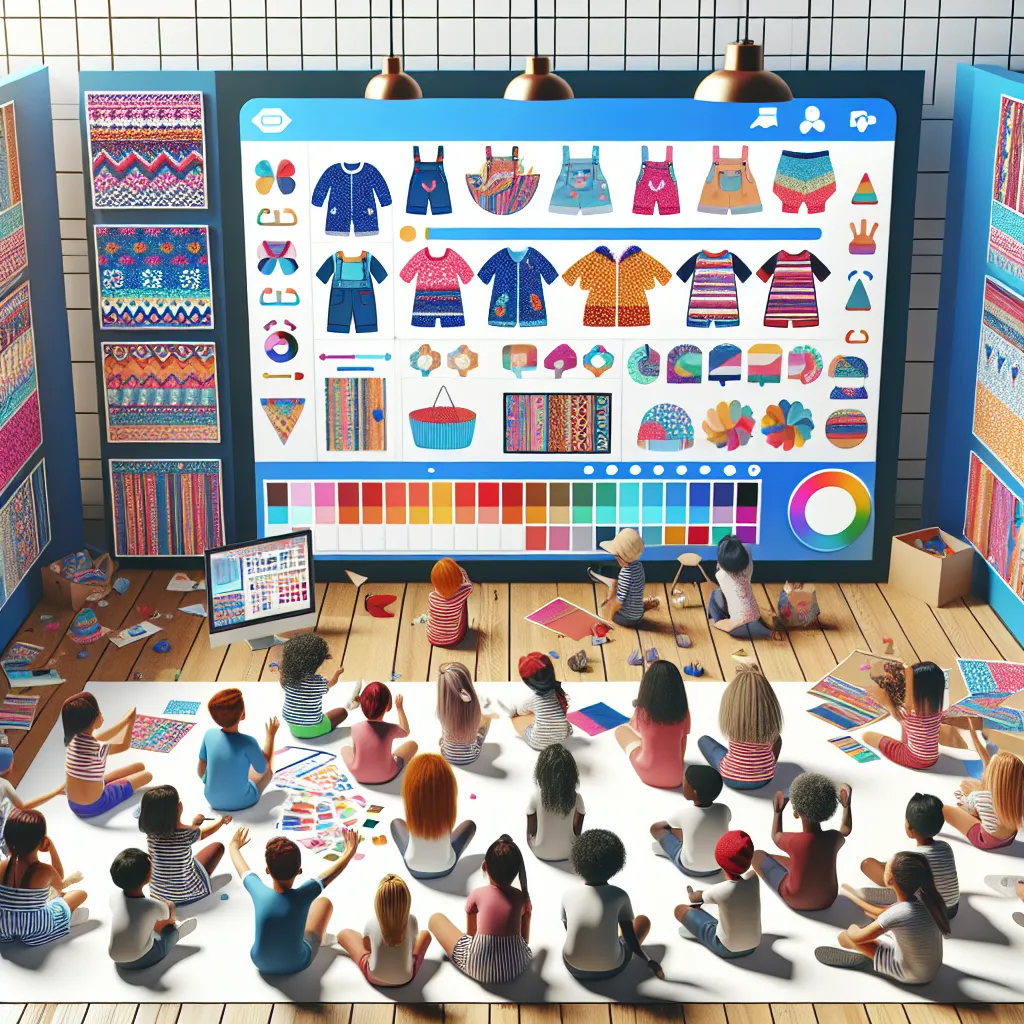
Description
No additional description provided.
The Pitch
In today's rapidly evolving consumer landscape, children play a significant and often underestimated role in influencing household decisions. From decor choices to fashion statements, young voices are reshaping how families approach purchasing. Yet, despite their growing influence, most brands continue to market primarily to parents, missing out on the potential to engage with children directly. This presents a unique opportunity to create a brand that acknowledges children as co-creators rather than mere consumers. The solution involves offering customizable decor lines, furniture, and fashion that empower children to design elements digitally and witness their ideas come to life.
Backstory: The rise of Generation Alpha, those born from the early 2010s onwards, ushers in a generation deeply entrenched in participatory digital environments. Accustomed to interactive and engaging online experiences, passive consumption of products feels increasingly antiquated to them. These children are growing up with technology that allows them to engage, create, and share, making it imperative for brands to adapt and meet their expectations as active participants in the creative process.
Problem: The primary challenge lies in bridging the gap between traditional marketing aimed at parents and the evolving interests of digitally-savvy children. Despite children’s significant influence, they are often sidelined in design and purchasing decisions. Brands that do not evolve risk becoming irrelevant to this new, empowered generation.
Solution: The solution is to develop a brand that integrates children into the design process, treating them as co-creators. This can be achieved through a platform where children can digitally design elements of decor, furniture, and fashion. Once their designs are complete, these concepts can be physically produced, allowing children to see their creativity realized in tangible form. For example, a bedroom decor line where kids design wall panels using an app and receive the physical, customizable panels for their rooms.
Product Details: The brand will focus on three main categories: 1. Home Decor: Customizable wall panels, bedding, and room accessories that children can design digitally. 2. Furniture: Modular furniture pieces that allow children to choose colors, shapes, and additional features. 3. Fashion: Clothing lines where kids can select patterns, colors, and designs via a user-friendly app.
Tools for Easy Launch as an MVP: 1. Digital Design Platform: Develop a mobile app that provides an intuitive interface for kids to create their designs. Tools such as Figma or Adobe XD can assist in developing a prototype. 2. On-Demand Production: Partner with manufacturers utilizing 3D printing and custom textiles to facilitate the production of one-off or limited-run items. 3. Supply Chain Management: Tools like ShipStation or Easyship can streamline the logistics of delivering customized products directly to consumers. 4. E-commerce Platform: Use platforms like Shopify to manage sales, customer interactions, and the online marketplace.
GTM (Go-To-Market) Strategy: 1. Pre-Launch Campaign: Create excitement and anticipation by engaging potential users and their parents through social media and partnerships with popular children's content creators. 2. Influencer Collaborations: Partner with kid-friendly influencers and YouTubers to showcase the product and its creative process. 3. Launch Event: Host virtual and physical events where kids can experience designing a product in real-time and receive a sample. 4. Community Building: Foster a community around the brand where children and parents can share their creations and experiences.
Business Model: 1. Subscription-Based Service: Offer a monthly or quarterly subscription where kids receive new design challenges and resulting products delivered to their doorstep. 2. Product Sales: Allow one-time purchases of individual items designed by users on the platform. 3. Brand Collaborations: Partner with existing children's brands or franchises to offer exclusive design experiences.
Conclusion: In positioning children as co-creators, this initiative aims to revolutionize the way brands interact with the younger demographic. By empowering kids with creative control, we not only cater to their desire for participation but also foster early brand loyalty and engagement, setting the stage for sustained success as this generation continues to grow.