Empowering Edge Agents: Trust Over Centralization
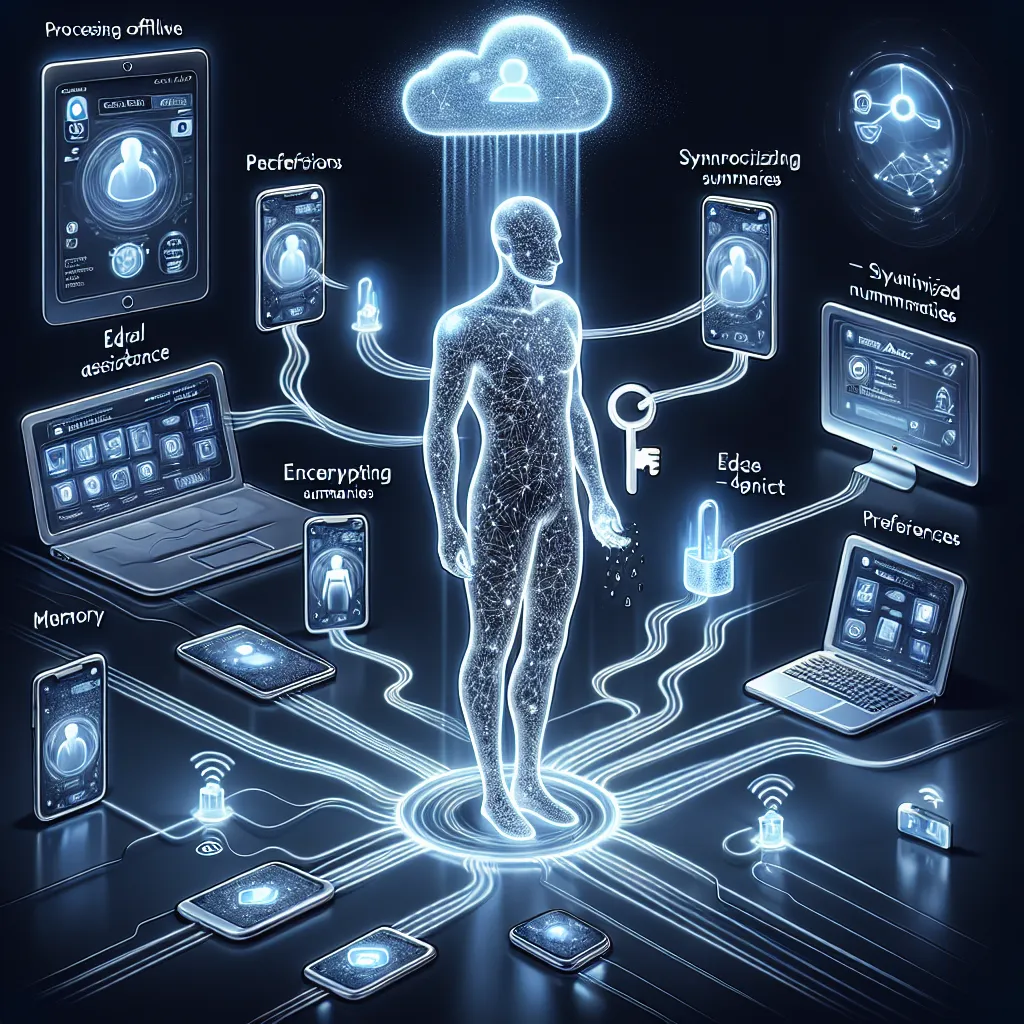
Cloud-based assistants promise personalization but quietly centralize your life in someone else’s infrastructure. As agents get smarter, this becomes a liability, not a feature. The shift toward edge-based agents exposes what’s missing: a true personal operating layer that lives with you, not above you. What should exist is a local-first agent that owns memory, context, and preferences across devices without sending raw data to the cloud. Think of an agent that remembers how you negotiate, shop, schedule, and communicate—even offline—and only syncs encrypted summaries when you allow it. If today’s assistants are rented brains, edge agents should feel like prosthetic memory. The unlock isn’t faster responses—it’s trust. Once users believe their agent works for them alone, delegation finally becomes comfortable.
Description
No additional description provided.
The Pitch
In recent years, the rise of cloud-based assistants has provided users with remarkable convenience. However, these services often centralize and control personal data within their infrastructures, raising concerns about privacy and security. As technology advances, the need for a true personal operating layer becomes increasingly apparent. This document outlines the development of a local-first personal assistant that operates primarily on the user’s devices, offering privacy, personalization, and autonomy without relying on cloud data storage.
Background and Problem Statement
Cloud-based digital assistants have become ubiquitous, promising personalized services and increased efficiency. However, they typically store and process vast amounts of personal data on centralized servers. This raises significant privacy concerns, as users become dependent on external entities to manage their data. The vulnerability to breaches and misuse of such data has made the need for a more secure alternative evident. In essence, the problem lies in the fundamental trade-off between convenience and privacy.
Solution Concept
The proposed solution is a personal edge assistant that functions independently from the cloud. This agent resides on the user’s devices, maintaining memory, context, and preferences locally. It processes data offline, ensuring that sensitive information remains under the user’s control. The assistant only syncs encrypted summaries to the cloud when permitted by the user, thus circumventing potential security risks.
Product Details
The Edge Assistant would include the following features:
1. **Local Data Processing**: Functions and processes information locally on devices to ensure user data remains private and secure.
2. **Offline Functionality**: Capable of performing tasks without an internet connection, maintaining productivity in varying conditions.
3. **Contextual Understanding**: Learns and adapts to personal preferences, behavior, and habits over time, providing highly personalized assistance.
4. **Secure Syncing**: When needed, data is synced in an encrypted format with cloud services, allowing for seamless integration without compromising privacy.
5. **Interoperability Across Devices**: Seamless operation across multiple devices, including smartphones, tablets, and computers, without the need for cloud dependency.
6. **User-Controlled Privacy Settings**: Users retain control over what data is synced and shared, offering peace of mind and customization.
Tools and Technologies for MVP Launch
1. **Embedded Machine Learning Frameworks**: Use of frameworks like TensorFlow Lite or Core ML to enable local data processing and learning.
2. **Local Storage Solutions**: Leveraging secure, efficient storage technologies like SQLite for on-device data management.
3. **Encryption Libraries**: Implementation of robust encryption protocols, such as AES or RSA, to secure data during syncing processes.
4. **Cross-Platform Development Tools**: Utilizing tools like Flutter or React Native to ensure the assistant operates smoothly across various devices.
Go-To-Market (GTM) Strategy
1. **Target Early Adopters**: Focus initially on privacy-conscious users and technology enthusiasts who value data security.
2. **Pilot Programs**: Launch limited beta programs with feedback loops to refine functionality based on user experiences.
3. **Partnerships**: Collaborate with hardware manufacturers and tech influencers to raise awareness and drive adoption.
4. **Educational Campaigns**: Create content emphasizing the importance of data privacy and the benefits of edge computing, cultivating trust and interest among potential users.
5. **Freemium Model**: Offer a free basic version with essential features, coupled with a premium option that unlocks advanced functionalities.
Business Model
1. **Subscription Service**: Implement a tiered subscription model, offering basic services for free and premium features through paid plans.
2. **One-Time License Fee**: Provide the option for users to pay a single fee for access to all features, appealing to those disinclined towards recurrent expenses.
3. **B2B Partnerships**: Collaborate with businesses that prioritize data privacy to include the assistant as part of their product or service suite.
Closing
Building a trusted personal edge assistant can redefine the digital assistant landscape, prioritizing user privacy while maintaining convenience. With the right technology stack, strategic partnerships, and a solid GTM approach, this vision can become a reality, offering users a safe and personalized experience.