Empowering Customers as Merch-Based Brand Ambassadors
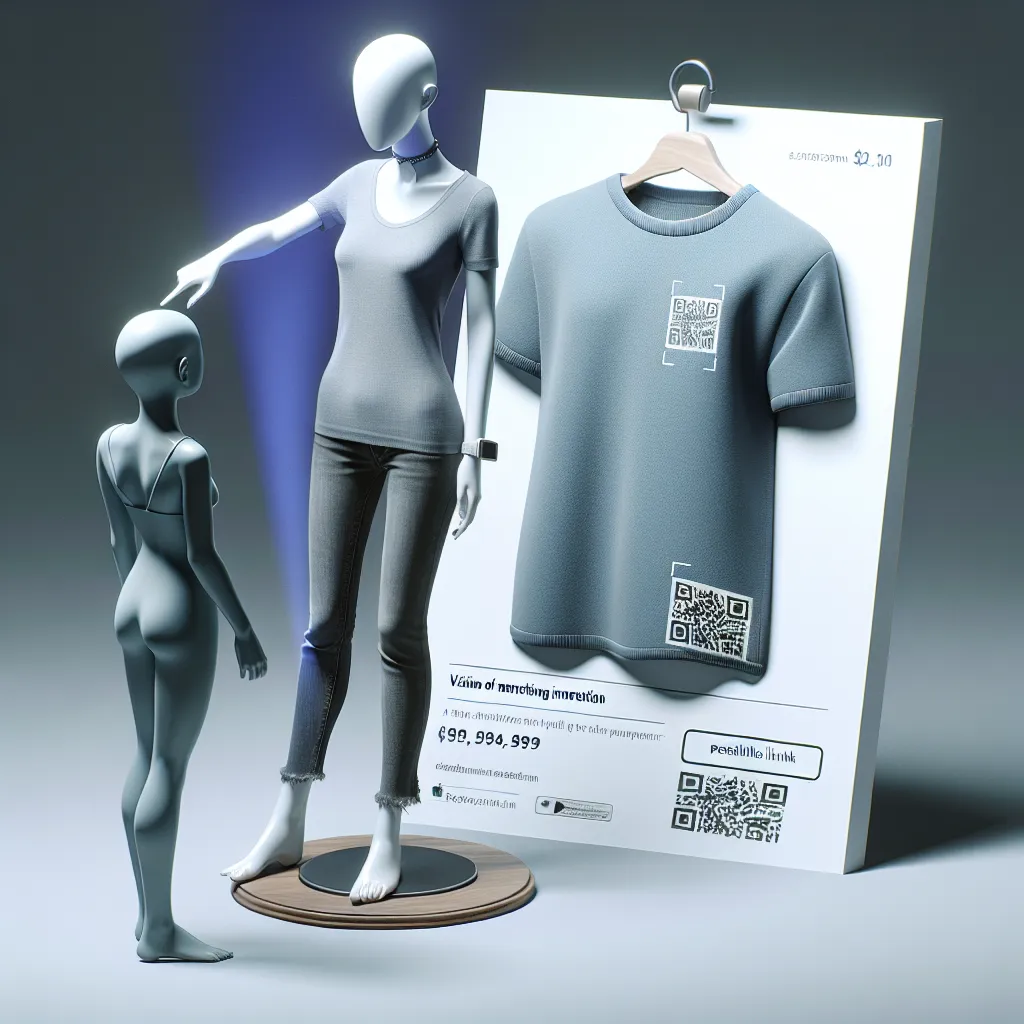
Brands often miss opportunities to turn their customers into marketers. One idea to fix this was embedding QR codes onto merch — each linked to a personalized affiliate link for the customer. Customers get a cool shirt and a chance to earn commissions when people scan the code and buy. The transcript suggested: "Every customer could be an affiliate and they can make money from that exact QR code." This cleverly incentivizes word-of-mouth marketing without extra effort from the brand. An example given would be printing the QR code subtly near the bottom hem of the shirt, so when someone asks about it in public, the wearer can easily share the brand — and potentially earn money.
Description
No additional description provided.
The Pitch
Brands often seek innovative ways to leverage their existing customer base to enhance marketing efforts and drive sales. A promising approach involves transforming customers into active brand advocates by embedding QR codes onto merchandise, such as shirts, which link to personalized affiliate accounts. This strategy not only strengthens brand loyalty but also incentivizes customers to promote the brand through word-of-mouth referrals, effortlessly turning them into marketers.
Background:
In recent years, affiliate marketing has grown as a powerful tool for brands to increase reach and generate sales through third-party promoters. On the other hand, merchandise serves as a tangible connection between brands and consumers, fostering brand loyalty. By combining these two elements—merchandise and affiliate marketing—brands can create a unique marketing channel that benefits both parties. Imagine if every customer wearing a brand's shirt could also act as an affiliate marketer, earning commissions each time their customized QR code is scanned and leads to a purchase. This concept seamlessly merges apparel with technology to create an incentive-driven marketing ecosystem.
Problem Statement:
While affiliate marketing and merchandise are effective independently, they fall short when it comes to actively engaging customers in the marketing process without additional effort from the brand. Traditional marketing techniques often miss out on exploiting word-of-mouth potential within existing customer networks, leading to unutilized opportunities for organic brand promotion.
Solution:
The solution is to create an affiliate program that allows customers to become brand ambassadors through QR code-enabled merchandise. When a customer purchases branded apparel, a unique QR code is embedded into a discreet location, like near the bottom hem of the shirt. This code is linked to a personalized affiliate account, transforming every interaction and compliment about the shirt into a potential marketing opportunity for the brand and an earning opportunity for the customer.
Product Details:
1. QR Code-Enabled Merchandise: - Apparel such as shirts, caps, and hoodies with QR codes sewn or printed in a subtle yet accessible manner. - QR codes lead to personalized landing pages or affiliate links for each customer.
2. Affiliate System: - Digital platform where customers can register for affiliate accounts linked to their QR codes. - Dashboard to track scans, conversions, and commissions.
3. User Engagement: - Easy registration process and user-friendly interface for tracking performance. - Regular incentives and bonuses to encourage continued participation.
Tools for MVP Launch:
1. QR Code Generators: Tools like QR Code Generator or QRStuff to create dynamic QR codes. 2. Print-on-Demand Services: Platforms such as Printful or TeeSpring for producing and distributing branded merchandise. 3. Affiliate Marketing Software: Solutions like Refersion or Tapfiliate to manage affiliate links and track conversions. 4. Website Builders: Platforms like Shopify or Wix to integrate and manage the affiliate system easily.
Go-to-Market Strategy:
1. Initial Launch: - Identify key customer segments interested in branded apparel and affiliate programs. - Partner with influencers to debut the concept and reach a wider audience.
2. Promotion and Engagement: - Offer initial discounts or exclusive merchandise for early adopters to encourage participation. - Create engaging content around success stories of customers earning through the program, amplifying social proof.
3. Customer Retention: - Regular updates to merchandise offerings to keep customers engaged. - Foster a community around brand ambassadors to share tips and experiences in promoting the brand.
Business Model:
1. Merchandise Sales: - Revenue generated from the sales of branded, QR code-enabled apparel. 2. Commission Structure: - A percentage of sales generated through customer referrals is shared with the affiliate customers. 3. Subscription Model (Optional): - Offer premium tiers with exclusive benefits for top-performing brand ambassadors, creating a recurring revenue stream.
Conclusion:
By seamlessly integrating affiliate marketing with branded merchandise, brands can foster stronger relationships with their customers while expanding their marketing reach. This approach not only provides consumers with a tangible product but also empowers them as active participants in the brand's success, creating a win-win scenario for both the brand and its loyal customers.