Empowering Custom Workflows with Modular AI
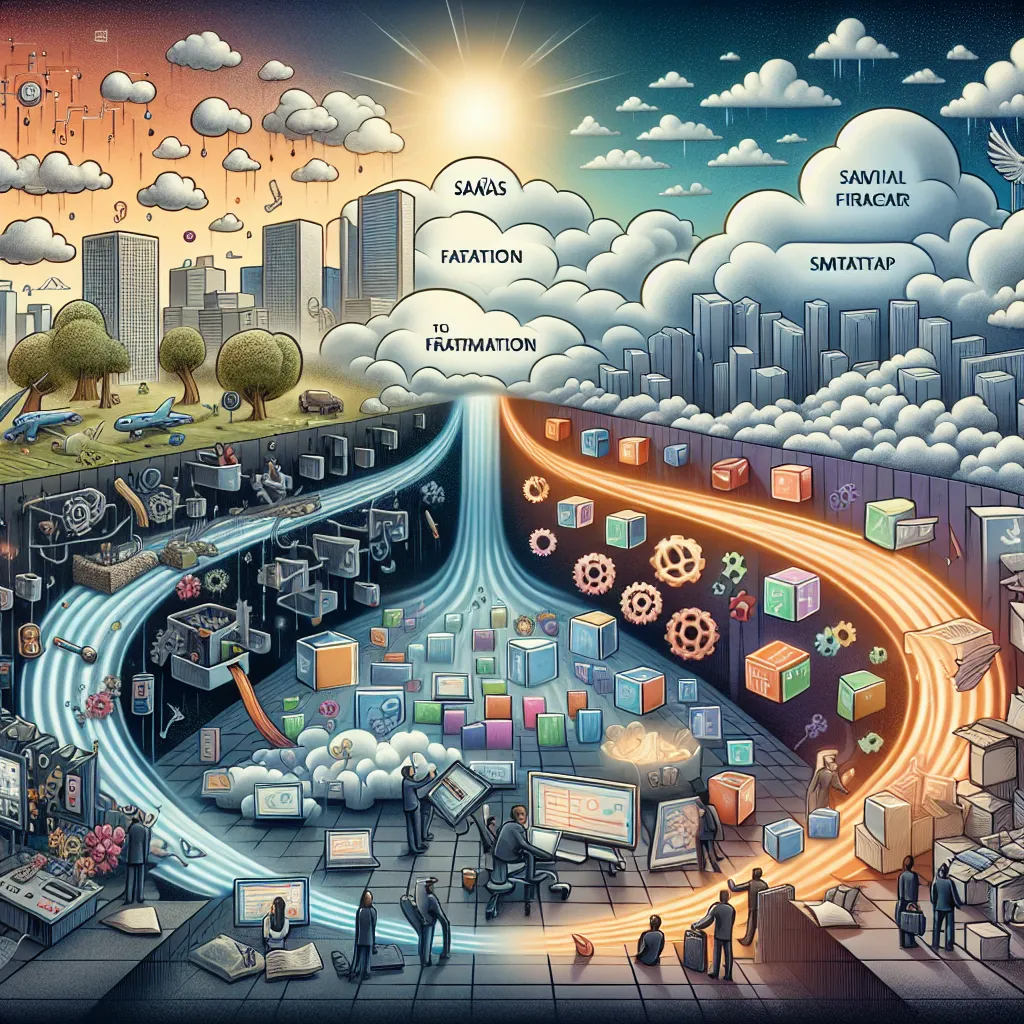
SaaS fragmentation forces companies to duct-tape workflows across tools. What’s missing is an internal-first software layer that lets teams build bespoke systems without becoming engineers. A startup should exist that turns business logic into modular blocks employees can assemble themselves. As AI lowers technical barriers, every company becomes partially custom. The future isn’t fewer tools — it’s tools that disappear into the workflow.
Description
No additional description provided.
The Pitch
In today’s digital-first landscape, Software as a Service (SaaS) applications have become integral to business operations. However, the rise of various specialized tools has led to a fragmented software ecosystem within organizations. Companies find themselves cobbling together workflows across disparate applications. This unwieldy patchwork not only reduces operational efficiency but also impedes seamless cross-functional collaboration. The fundamental problem is the absence of an internal-first software layer that enables organizations to create bespoke systems tailored to their unique needs, without the heavy dependency on skilled software engineers.
Solution Overview
The proposed solution is a platform that transforms business logic into modular blocks. These blocks can be easily assembled by employees to form efficient, customized systems. As artificial intelligence continues to lower technical barriers, the capability for customization becomes accessible not only to the IT department but democratizes system building across the organization. In essence, this solution offers an innovative approach to integrate seamlessly into existing workflows, enhancing them without overwhelming the user with additional tools.
Product Details
1. **Modular Logic Blocks**: An intuitive library of ready-to-use modules representing different business functions and processes. These blocks can be customized and linked together to create tailored workflows.
2. **User-friendly Interface**: A drag-and-drop interface that empowers non-technical employees to design and implement workflows quickly and efficiently.
3. **AI-driven Customization**: Integration with AI to provide recommendations and optimizations for workflow design, making the process smarter and more efficient.
4. **Seamless Integration**: Capability to easily integrate with existing SaaS products and IT systems, ensuring data consistency and seamless workflow continuity.
5. **Security and Compliance**: Robust security frameworks and compliance measures in line with industry standards to safeguard data integrity and confidentiality.
Tools for MVP Launch
- **No-code Development Platforms**: Utilize platforms like Bubble or Adalo to create a prototype without extensive coding. - **Integration Tools**: Employ tools like Zapier or Integromat to enable quick and easy integrations with existing applications. - **Analytics Tools**: Use services like Google Analytics or Mixpanel for tracking user interaction and gathering insights. - **Feedback Tools**: Set up feedback systems through tools like Typeform to iteratively improve the MVP based on user experience.
Go-to-market Strategy
1. **Identify Early Adopters**: Target tech-forward organizations with high SaaS adoption. Early adopters could include tech startups and SMEs that value customization and agility.
2. **Strategic Partnerships**: Collaborate with well-known SaaS providers to offer complementary functionalities and gain credibility.
3. **Content Marketing**: Develop educational content that highlights the problem of SaaS fragmentation and the benefits of seamless workflow optimization.
4. **Webinars and Workshops**: Conduct sessions for potential customers showcasing product capabilities and use cases.
5. **Pilot Programs**: Roll out pilot programs with selected businesses to refine the product and build case studies.
Business Model
- **Subscription-Based Pricing**: Offer tiered pricing based on user count and feature access, providing flexibility for businesses of varying sizes.
- **Enterprise Solutions**: Custom pricing models for larger enterprises that demand enhanced features and personalized support.
- **Freemium Model**: Allow limited free access to core features to lower entry barriers and convert users to paid plans as they grow familiar with the product’s value.
In conclusion, our proposed solution seeks to redefine how enterprises interact with technology in their daily workflows. By creating a system where tools disappear into the workflow, organizations can unlock a new level of efficiency and customization, ultimately driving growth and innovation.