Empathetic Robotic Skins for Enhanced Human Interaction
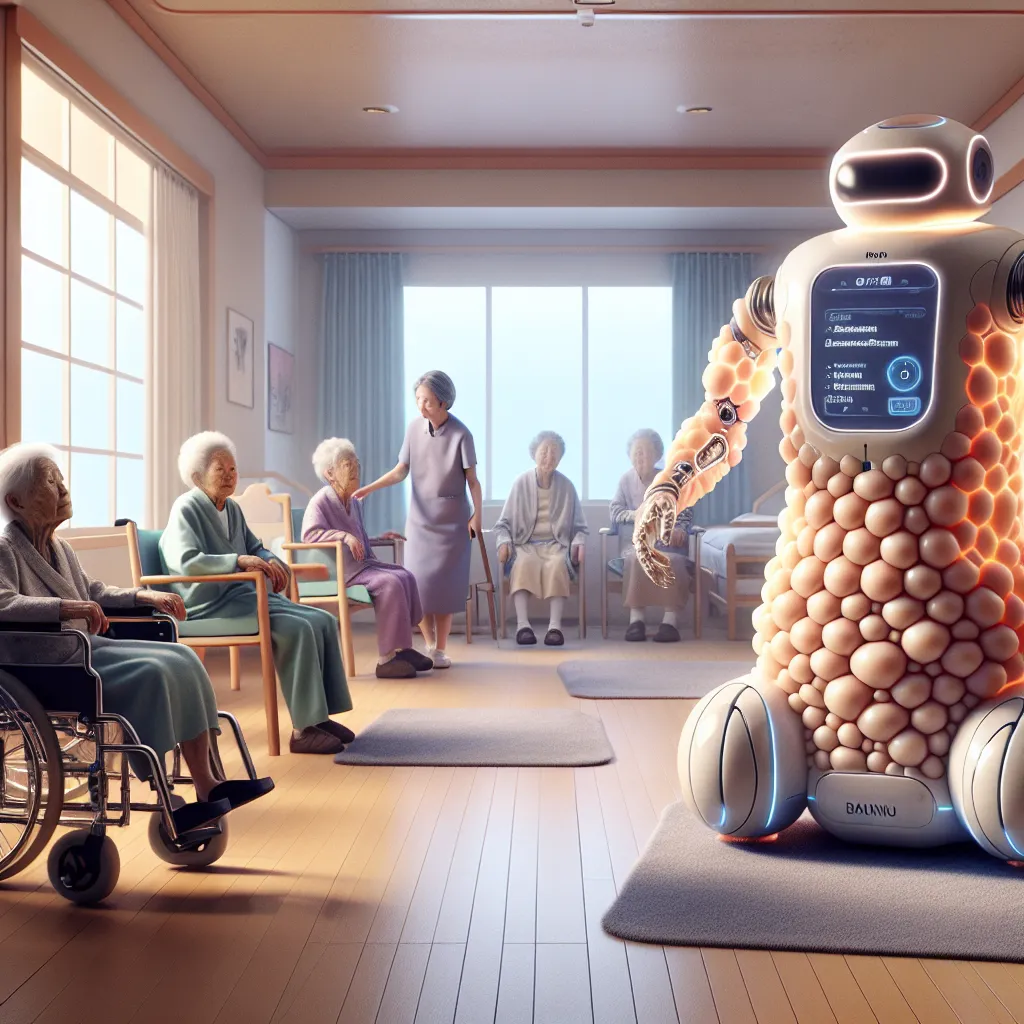
Elder care robots and retail assistants may be functional, but many are perceived as cold, impersonal, or even creepy. Emotional trust matters—especially when technology enters vulnerable spaces like senior living. This startup creates synthetic “living” skins for robots using soft, temperature-responsive bio-gel that mimics human skin warmth and texture. The material includes antimicrobial properties, built-in touch sensors, and dynamic responsiveness (e.g. pressure resistance, soft blinking). Inspired by research in bioengineering and human-machine interaction, the product enhances comfort and empathy in caregiving and service contexts. For example, a care facility in Japan outfits its mobility-assist robots with the skin—residents report feeling less anxious, and interactions increase 3x in the first month.
Description
No additional description provided.
The Pitch
In recent years, advancements in robotics have led to their increasing presence in sectors such as elder care and retail. However, despite their functionality, these robots often face criticism for appearing cold, impersonal, or unsettling. This concern is particularly pronounced when technology enters sensitive environments, such as senior living facilities, where emotional trust and comfort are paramount.
The challenge here is clear: while robots can efficiently assist in caregiving and service tasks, their lack of warmth and empathy can hinder their acceptance and effectiveness. This is a significant barrier in environments where human-like interaction is crucial for user acceptance and comfort.
To address this issue, an innovative solution has been developed: synthetic living skins for robots. These skins are crafted from a soft, temperature-responsive bio-gel that meticulously mimics the warmth and texture of human skin. By incorporating antimicrobial properties, built-in touch sensors, and dynamic responsiveness, such as pressure resistance and soft blinking, the product offers a significant step forward in creating robots that feel more human and empathetic.
The concept for this product draws inspiration from cutting-edge research in bioengineering and human-machine interaction. By providing robots with a more human-like exterior, the goal is to enhance comfort and foster empathy in caregiving and service settings, alleviating anxiety and enhancing user interaction.
Consider the example of a care facility in Japan that implemented this technology by outfitting its mobility-assist robots with these synthetic skins. The results were remarkable: residents reported a decrease in anxiety and interactions with these robots tripled in the first month alone.
For those interested in building this product, the initial development could involve collaboration with bioengineers and materials scientists to refine the gel's properties. Essential tools and technologies might include 3D printing for custom design, sensors for touch responsiveness, and antimicrobial treatments for hygiene.
The minimum viable product could be a simplified version of the skin applied to existing robots in a controlled environment, such as a single care facility, to gather initial feedback and data. Launching could involve direct partnerships with senior care centers or tech companies specializing in robotics, providing a platform for testing and refinement.
The go-to-market strategy would likely focus on partnerships with healthcare providers and robot manufacturers, highlighting the benefits of improved emotional connection and reduced anxiety. Marketing efforts could emphasize human-centric design and empathy, targeting decision-makers in sectors reliant on caregiving and customer interaction.
As for the business model, a subscription or licensing model could be viable, where facilities pay for regular updates and innovations in the product. This model ensures continuous revenue and incentives for ongoing improvements. Additionally, offering customization options, such as varying skin textures or colors, could appeal to different clients' needs and preferences, providing another revenue stream.
Overall, by enhancing the emotional capabilities of robots, this innovation holds the potential to not only improve functionality but also significantly transform the way humans interact with technology in sensitive environments.