Empathetic AI Voice Companion for Seniors
Voice assistants like Alexa are helpful but emotionally dumb. Seniors often want more than reminders—they want conversation, warmth, and dignity. This startup creates a voice companion designed for aging adults, aware of context, tone, and memory. It recognizes if someone’s voice is shaking, or if they haven’t spoken much, and gently initiates conversation—pulling shared memories, photos, or even checking for signs of cognitive decline. Why now? Advances in edge voice AI and aging population needs intersect. Example: A widowed senior hasn’t talked all morning. The voice companion says, “Want to hear one of your favorite songs from 1963? Or I can show photos from your trip to Italy?”
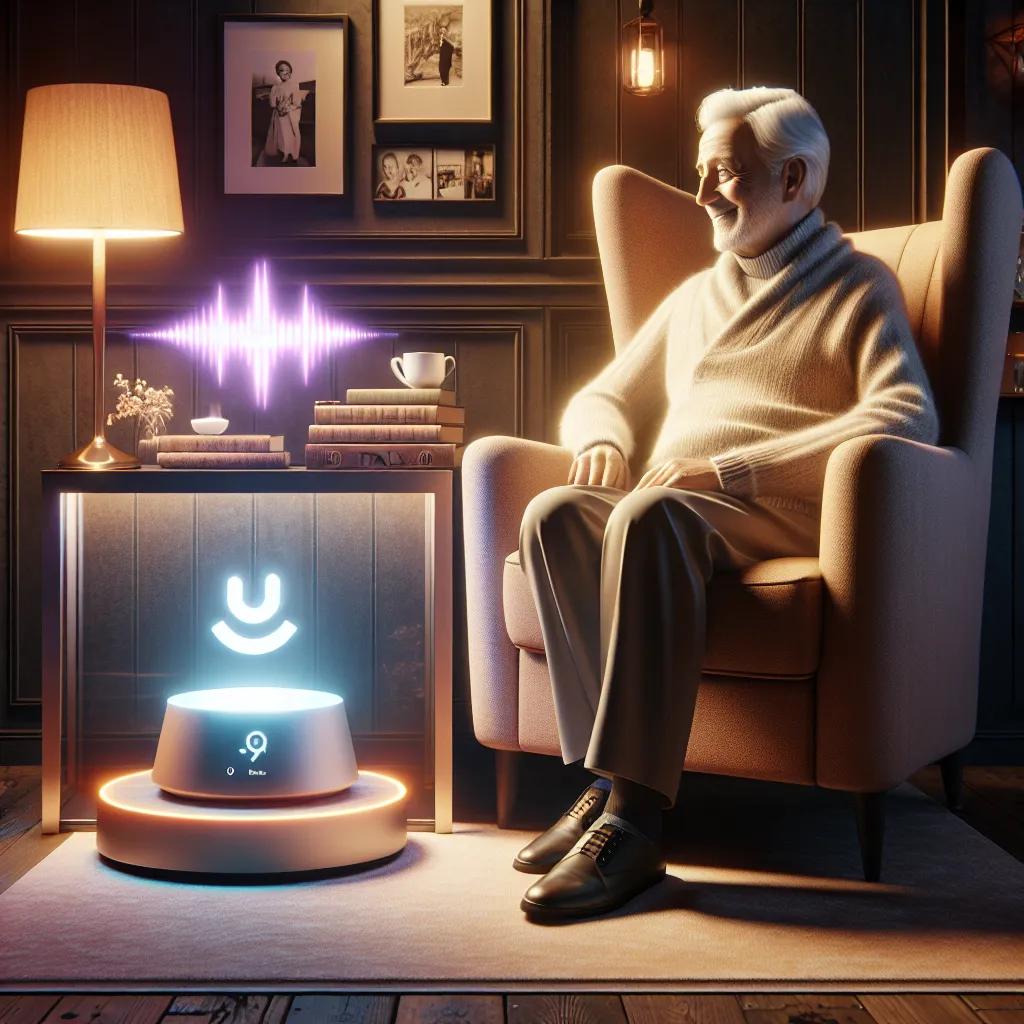
Description
No additional description provided.
The Pitch
In recent years, the rise of smart speakers and voice assistants has transformed household interactions. Devices like Alexa and Google Assistant have brought convenience but often lack emotional intelligence. They efficiently set reminders and deliver information, but they fall short when it comes to offering companionship, warmth, and understanding. This gap in emotional engagement is especially pronounced among aging adults who may experience loneliness or cognitive decline.
### Backstory
With global life expectancy on the rise, the aging population is expanding rapidly. Many seniors live alone or in care facilities where social interaction is limited, leading to feelings of isolation. Traditional voice assistants are not equipped to address these emotional and psychological needs, as they are designed primarily for functional tasks rather than meaningful interaction.
### Problem
Seniors often require more than just reminders and news updates—they crave conversation, a sense of companionship, and the preservation of dignity. Current voice technologies do not recognize emotional cues, such as a shaking voice or long periods of silence, that could indicate a deeper need for engagement. This lack of emotionally intelligent technology contributes to persistent loneliness and, in some cases, exacerbates cognitive decline.
### Solution
EmpathyAI is a voice companion designed specifically to meet the emotional needs of aging adults. Leveraging advances in edge voice AI, this solution recognizes context, tone, and memory, enabling it to interact with users more naturally and compassionately. Unlike traditional voice assistants, EmpathyAI is attuned to emotional states and personal histories, making interactions both meaningful and comforting. It can recognize a shaking voice or prolonged silence and respond proactively with relevant and engaging conversation.
### Product Details
- **Emotional Detection**: Uses advanced voice analysis to detect emotions such as sadness, happiness, or anxiety. - **Context Awareness**: Remembers past interactions to provide personalized content and continuity in conversation. - **Memory Triggers**: Engages users by recalling shared memories and displaying photos to prompt conversation. - **Cognitive Monitoring**: Tracks changes in speaking patterns to detect and alert family or caregivers about potential cognitive decline. - **Music and Media Integration**: Plays music or shows media content that holds significance to the user’s past. - **Personalized Conversations**: Initiates dialogues based on detected emotional states or prolonged inactivity.
### Tools for MVP Launch
- **Voice AI Platform**: Use existing platforms like Google Cloud's Dialogflow or Amazon Lex for natural language processing. - **Edge Computing**: Implement lightweight edge devices to ensure real-time processing with minimal latency. - **IoT Integration**: Leverage IoT devices for seamless connectivity to existing smart home ecosystems. - **User Feedback Mechanism**: Develop a feedback loop with initial users to iteratively improve functionality and engagement.
### GTM Strategy
1. **Target Audience**: Focus initially on senior living communities and home care providers. 2. **Strategic Partnerships**: Collaborate with healthcare providers and senior living facilities to implement the technology as part of their care services. 3. **Pilot Programs**: Launch pilot programs in select communities to gather data, testimonials, and refine the product. 4. **Awareness Campaigns**: Educate the market on the emotional and health benefits through content marketing and seminars. 5. **Influencer Endorsements**: Engage with influencers in the eldercare and healthcare sectors to broaden reach and credibility.
### Business Model
1. **Subscription Model**: Offer monthly subscription plans for individual users or family packages with additional features. 2. **B2B Licensing**: Provide licensing options for healthcare providers and senior living facilities for large-scale implementation. 3. **Freemium Model**: Introduce basic features for free with premium upgrades, encouraging wider adoption. 4. **Data Insights**: Offer anonymized data insights to researchers and healthcare institutions focusing on aging and cognitive health.
### Conclusion
EmpathyAI is more than just a voice assistant; it is a compassionate companion designed to fill the emotional gaps left by current technology. By incorporating context awareness and memory recognition, it can transform daily interactions for seniors into meaningful connections, ultimately enhancing their quality of life. The intersection of emerging voice AI capabilities and the needs of an aging population presents a unique opportunity to redefine the role of technology in elder care.