Empathetic AI Companions for Empowered Aging
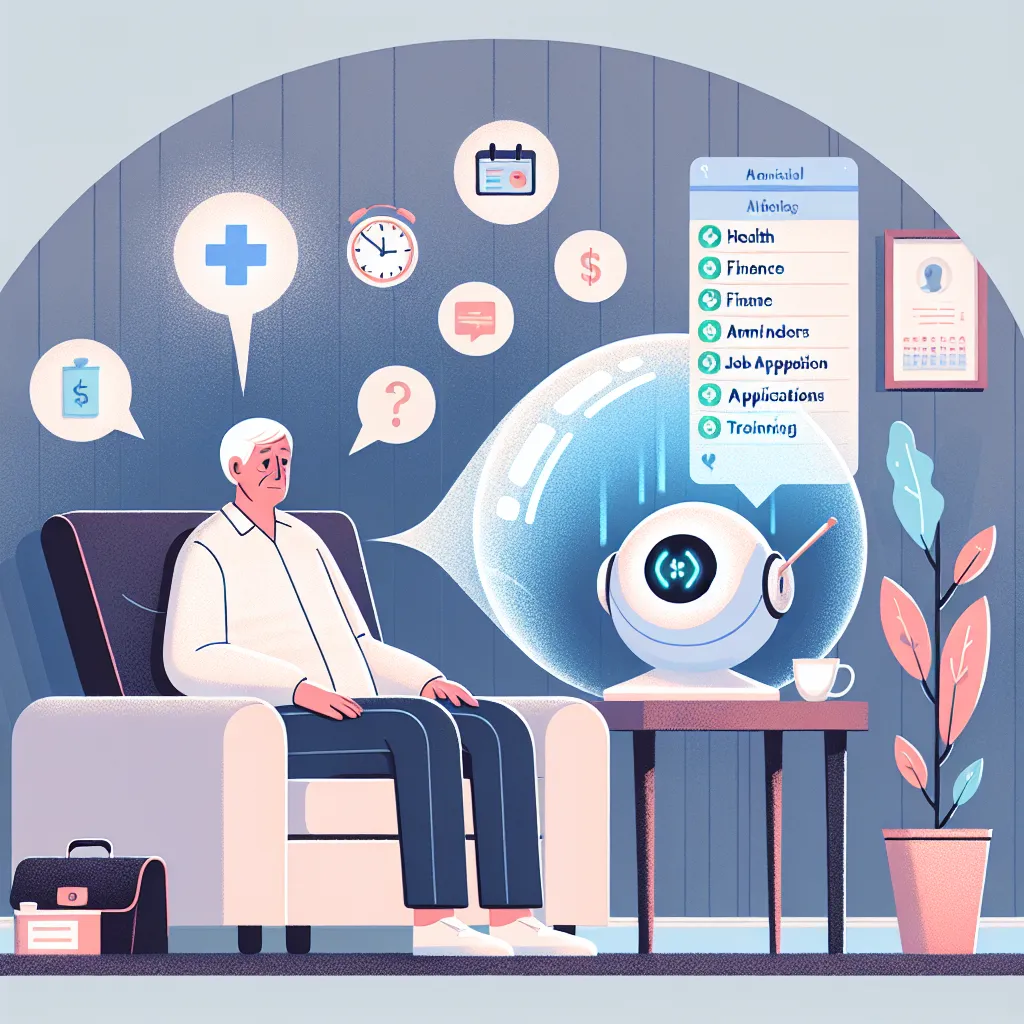
While AI advances rapidly, older adults often find themselves excluded from its benefits due to unfamiliarity, mistrust, or bias in system design. AI systems are frequently built on non-representative data and may reinforce age-based inequities. A solution is to build voice-based AI companions intentionally designed for older users—prioritizing trust, ease, and safety. These tools could answer common health or finance questions, provide reminders, and even assist with job applications or digital literacy training. The system would operate slowly and clearly, offering reassurance and human fallback support. For instance, a 70-year-old living alone could ask daily questions, get help managing medication schedules, and be nudged toward social activities—all without needing to navigate confusing interfaces. By centering empathy and inclusion, this AI supports healthy, empowered aging in the digital era.
Description
No additional description provided.
The Pitch
As the world becomes increasingly digitized, older adults often face unique challenges in accessing and leveraging new technologies. While artificial intelligence (AI) advances rapidly, many seniors are left behind due to unfamiliarity, mistrust, or inherent biases present in system design. This document outlines the journey of building an AI solution specifically catered to the needs of older adults, providing context, identifying problems, and detailing the proposed solution.
Backstory: In today's fast-paced digital landscape, technology can serve as a bridge to enhanced life quality. However, older adults frequently encounter barriers when interacting with AI due to designs not tailored to their needs. AI systems are often based on data that doesn't represent their realities, potentially perpetuating age-based inequalities. The lack of trust and user-friendly interfaces further widens the digital divide, leaving many older individuals isolated from advancements that could improve their independence and well-being.
Problem Identification: The challenges faced by older adults in interacting with AI include: - Unfamiliarity with AI technology, leading to apprehension or avoidance. - Mistrust of systems due to perceived or real biases and lack of transparency. - Complex interfaces and non-representative data models that fail to address seniors' unique needs and cognitive processing speeds.
Solution Overview: The solution is to design and develop voice-based AI companions intentionally crafted for older users. These companions focus on three core principles: trust, ease of use, and safety. By leveraging natural language processing and empathetic design principles, the AI will: - Clearly and slowly communicate, offering users the time to understand and interact without pressure. - Provide immediate support on common queries related to health, finance, digital literacy, and social engagement. - Incorporate human fallback support, allowing users to connect with real individuals when needed.
Product Details: The proposed AI companion will have the following features: - User-friendly interface: Simple navigation and clear voice prompts tailored to the cognitive needs of older adults. - Personalized assistance: Customizable settings to cater to individual health and lifestyle requirements. - Proactive engagement: Regular check-ins and reminders to manage medication schedules, schedule medical appointments, and encourage participation in social activities. - Security and privacy: Rigorous data protection measures to ensure user confidence and build long-term trust.
Tools for MVP Development: To efficiently launch a Minimum Viable Product (MVP), consider leveraging the following tools and technologies: - Natural Language Processing: Utilize platforms like Google's Dialogflow or IBM's Watson Assistant for conversational AI development. - Voice Recognition: Integrate with Amazon Alexa Voice Service or Google Assistant APIs. - Cloud Services: Deploy using AWS or Microsoft Azure for scalable infrastructure and secure data storage. - UX/UI Design Platforms: Employ tools like Sketch or Figma to create intuitive and accessible user interfaces.
Go-To-Market Strategy (GTM): To ensure a successful market entry, implement the following steps: - Partnership Development: Collaborate with senior living communities, healthcare providers, and non-profits focused on aging to build trust and gain insights. - Pilot Testing: Conduct user trials in diverse settings to gather feedback and refine the product. - Education and Awareness: Develop workshops and resources to help older adults understand the benefits and operation of the AI companion. - Marketing: Utilize channels such as community events, social media, and partnerships with organizations serving older adults to increase visibility.
Business Model: A sustainable business model could include: - Subscription Services: Offer tiered pricing plans with varying features and support levels. - B2B Partnerships: Collaborate with healthcare providers and senior care facilities to integrate the AI companion into their services. - Government Grants and Support: Seek funding opportunities from programs aimed at enhancing technological inclusion for older adults.
Conclusion: By centering empathy and inclusivity, the proposed voice-based AI companions aim to empower older adults to lead healthy, enriched lives in the digital era. Through strategic development, partnerships, and an inclusive design approach, this solution has the potential to transform the way seniors engage with technology, fostering independence and improving overall well-being.