Emotion-Focused Ecommerce Platform Enhances Customer Experience
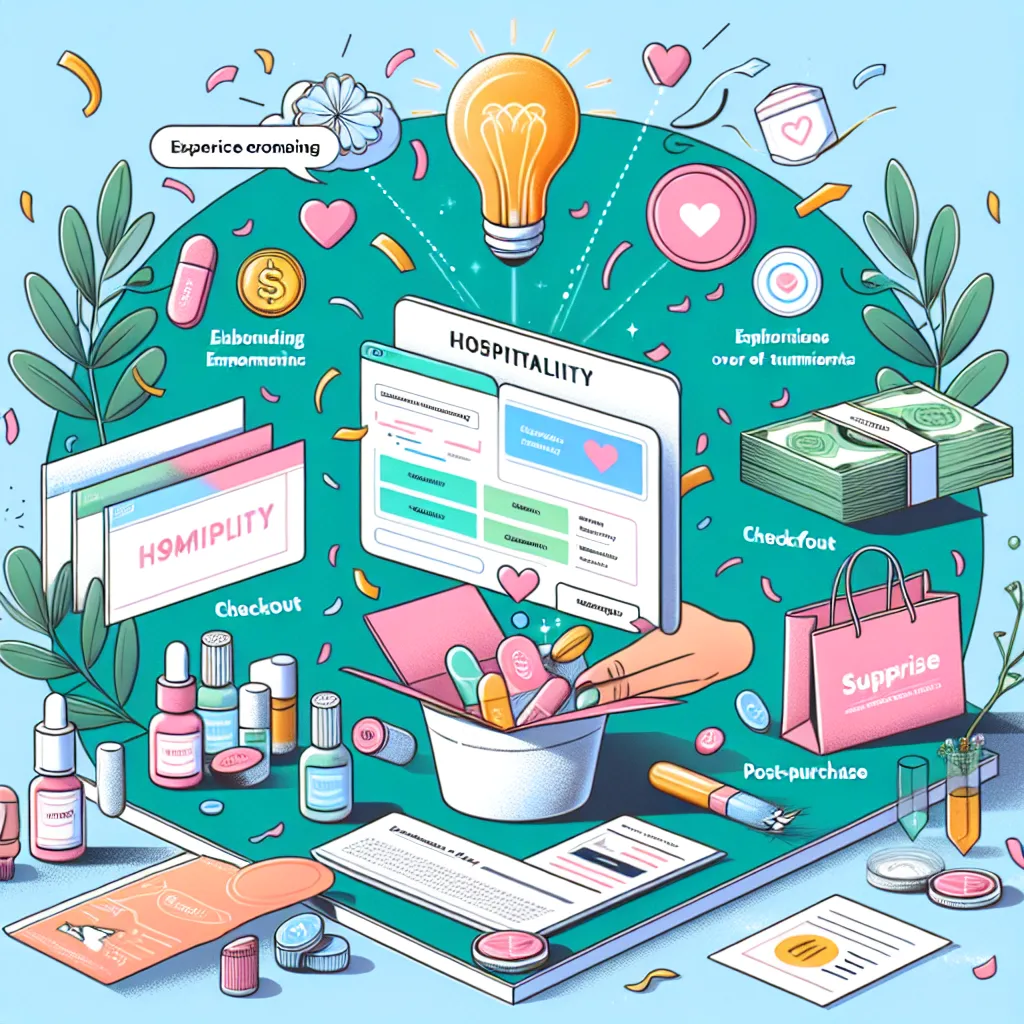
Ecommerce platforms focus on transactions, not feelings. This Shopify alternative is built from scratch to embed hospitality into every phase — onboarding, checkout, post-purchase, and returns. It’s novel because emotional design is not native to ecommerce infrastructure. As DTC competition increases, brands win with experience, not features. For instance, a skincare brand could surprise customers on their third order with a handwritten note and sample kit, all managed within the platform — driving LTV and word-of-mouth.
Description
No additional description provided.
The Pitch
In the rapidly evolving world of ecommerce, the focus has traditionally been on transactions and efficiency. However, as the market becomes saturated and competition intensifies, it's increasingly clear that the brands that stand out do so by offering exceptional and personalized experiences. This document outlines a solution that reimagines online retail by embedding hospitality and emotional design into every phase of the customer journey.
Backstory: For years, ecommerce platforms have operated primarily as transactional engines, facilitating the process of buying and selling goods online. This approach, while effective in certain aspects, often overlooks the emotional connection between brands and customers. As Direct-to-Consumer (DTC) brands multiply, the need to differentiate based on customer experience rather than mere functionality has become paramount. Research shows that customers are more likely to remain loyal to brands that offer personalized, emotionally engaging experiences.
Problem: Current ecommerce platforms are not equipped to handle the nuanced requirements of emotional design. They focus on efficiency, speed, and scale but fail to capture the intangible aspects of customer engagement that foster loyalty and long-term value. As a result, many brands face challenges in creating meaningful interactions that encourage repeat purchases, foster word-of-mouth referrals, and build lasting relationships.
Solution: Introducing a new ecommerce platform built from the ground up with emotional design at its core. This platform prioritizes hospitality, allowing brands to create personalized and delightful customer experiences at every touchpoint. By integrating emotion into the infrastructure, it enables brands to forge deeper connections with their customers.
Product Details: The platform includes several features designed to enhance the emotional aspects of the shopping experience. Some of these features include:
1. Personalized Onboarding: Customizable welcome experiences that tailor the shopping journey from the very first interaction. 2. Surprises at Checkout: Options to include personalized messages or gifts that resonate emotionally with customers during checkout. 3. Thoughtful Post-Purchase Engagement: Automated but thoughtful follow-ups, including thank-you notes, exclusive offers, and updates that continue to nurture customer relationships. 4. Seamless Return Handling: An empathetic and efficient return process that prioritizes customer convenience and satisfaction. 5. Analytics for Emotional Insights: Tools to gather and analyze data on emotional engagement, helping brands understand how their customers feel and respond.
Tools for Launching an MVP: To bring this vision to life, potential entrepreneurs and builders can leverage various tools and technologies, including:
- No-code platforms for rapid prototyping - UX/UI design tools to create visually appealing and intuitive interfaces - Analytics software to track customer engagement and feedback - CRM systems for managing personalized interactions - Third-party integrations for personalized gifting and messaging
Go-to-Market Strategy: A robust go-to-market strategy will be critical for successfully launching and gaining traction. Key components include:
- Identifying and targeting niche markets or early adopters who value differentiated customer experiences. - Leveraging social media and influencer partnerships to build awareness and drive interest. - Offering introductory promotions or trials to encourage initial adoption. - Creating engaging content and storytelling to convey the platform's value proposition.
Business Model: The platform can adopt a subscription-based business model, offering various tiers of service depending on the features and extent of customization each brand desires. Additional revenue streams may include transaction fees on sales processed through the platform or fees for premium features such as advanced analytics and personalized consultation services for brand strategy.
Conclusion: As ecommerce continues to evolve, the integration of emotional design with traditional retail models offers a compelling opportunity for brands to differentiate themselves. By focusing on hospitality and emotion, this innovative platform promises to redefine how brands interact with their customers, fostering loyalty and building a community of engaged, repeat buyers. Brands that prioritize experience will not only survive but thrive in the competitive landscape.