Emotion-Aware Wearables with Neuromorphic Skin Technology
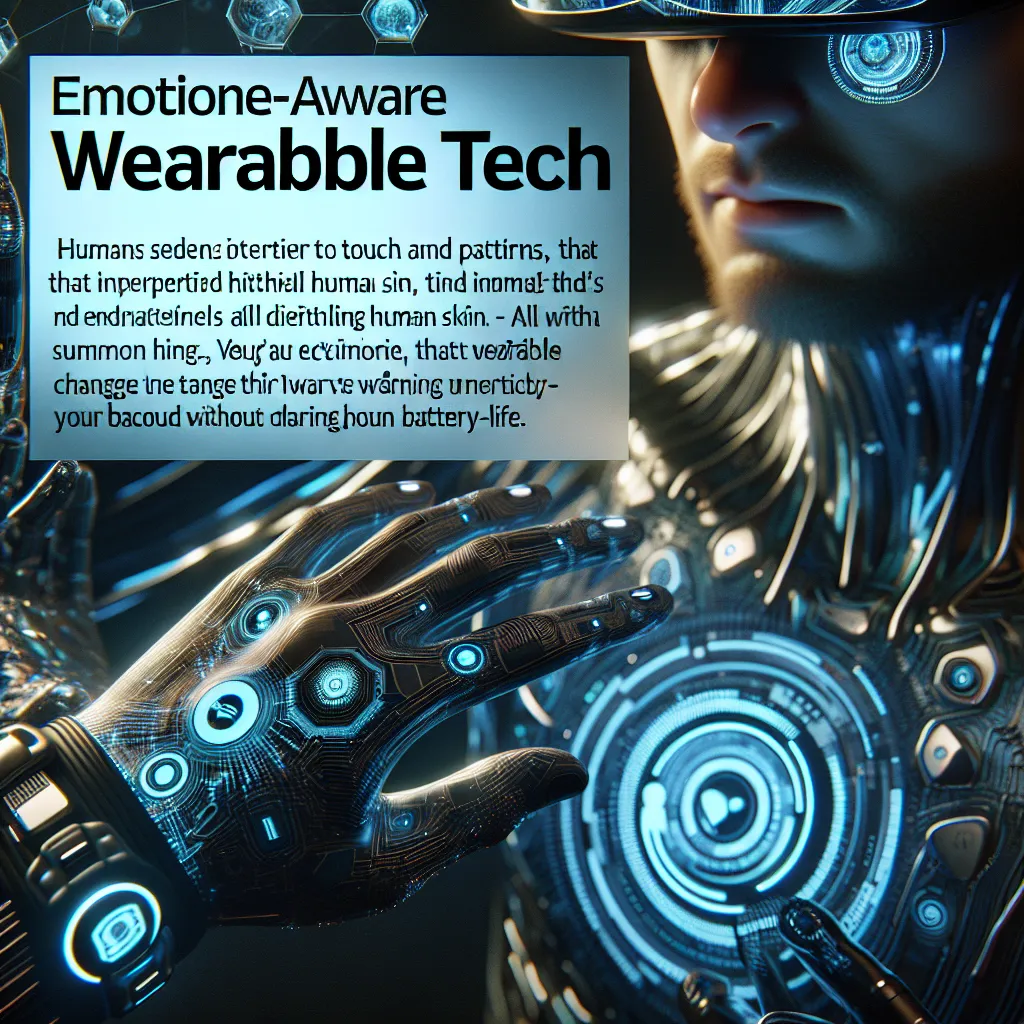
Humans communicate more through touch than we admit, but our devices are completely blind to it. A squeeze, a tap, a lingering hand — none of that translates digitally. Neuromorphic artificial skin changes this by processing touch the way humans do: through spikes, patterns, and intensity over time, not raw data. A startup could build emotion-aware wearables — bands, gloves, or clothing — that detect how someone is touching, not just that they’re touching. Why now: neuromorphic skin finally makes rich tactile interpretation possible without draining batteries. Example: a VR glove that knows the difference between a calming touch and a panic grip — and adapts the experience in real time.
Description
No additional description provided.
The Pitch
In recent years, the convergence of technology and human interaction has vastly expanded the capabilities of digital devices. Despite this progress, a significant gap persists in how devices perceive and interpret the subtleties of human touch. This document delves into the potential of emotion-aware wearables powered by neuromorphic artificial skin, illuminating the path for innovators intent on ushering in a new era of tactile technology.
**Backstory**
Human interaction relies heavily on non-verbal cues, with touch playing a crucial role in expressing emotions and intentions. Unfortunately, the digital world lags behind, remaining largely insulated from these tactile intricacies. Traditional touch sensors, though advanced, primarily register touch as a binary event rather than delving into the qualitative aspects that define human touch. Enter neuromorphic artificial skin, a novel technology that emulates the human sensory system by processing touch data through dynamic spikes, patterns, and varying intensities. This breakthrough sets the stage for developing sophisticated wearables that can interpret and react to emotions through touch.
**Problem**
The primary challenge lies in the inherent limitations of current touch-sensitive technologies. These devices can detect contact but fall short in discerning the emotional context behind a touch — a squeeze filled with reassurance feels identical to a tap intended for attention. This lack of emotional intelligence in devices results in a gap between human expression and digital interpretation, leaving a wealth of interactive potential untapped.
**Solution**
Neuromorphic artificial skin addresses this gap by offering a means to process and interpret touch as thoughtfully as humans do. By mimicking the way the human nervous system handles sensory input, this technology allows devices to recognize and adapt to different emotional contexts in real time. Imagine a VR glove that seamlessly transitions between recognizing a calming touch and a panic grip, thereby enhancing the immersive experience and providing tailored feedback.
**Product Details**
The proposed product lineup includes a range of emotion-aware wearables, such as:
1. **Emotion-Sensitive Bands**: Lightweight wristbands equipped with neuromorphic sensors to detect and interpret various touch-based emotional cues.
2. **Interactive Gloves**: Advanced gloves that are capable of differentiating between touch types, enabling enriched interaction with virtual environments.
3. **Adaptive Clothing**: Clothing embedded with neuromorphic skin to provide real-time feedback and interaction based on the emotional tone of touch.
Each wearable leverages neuromorphic technology to offer battery-efficient solutions that translate nuanced human emotions into actionable insights.
**Tools for MVP Launch**
1. **Prototyping Platforms**: Utilize platforms like Arduino or Raspberry Pi to develop initial prototypes.
2. **Software Development Kits (SDKs)**: Employ SDKs that support neuromorphic processors for sensory data interpretation.
3. **User Testing Interfaces**: Tools such as UX research platforms to gather early feedback on functionality and user experience.
**GTM Strategy**
1. **Target Audience**: Focus on segments such as gaming, AR/VR enthusiasts, and wellness markets.
2. **Strategic Partnerships**: Form alliances with VR headset manufacturers and therapy professionals to integrate these wearables into existing ecosystems.
3. **Marketing Channels**: Utilize social media, tech forums, and influencer partnerships to build awareness and create buzz around the product.
**Business Model**
Revenue can be derived from direct sales, licensing of technology, and potential subscription models for additional software capabilities. A tiered approach offers basic models for general use and advanced versions for specialized applications.
---
By transforming the way digital devices interpret touch, this innovation can redefine human-device interaction, elevate user experiences, and bridge the emotional gap in today's digital communications. Embrace the challenge, and step into the future of touch-aware technology.