Emotion-Aware Smart Mirrors for Personalized Retail
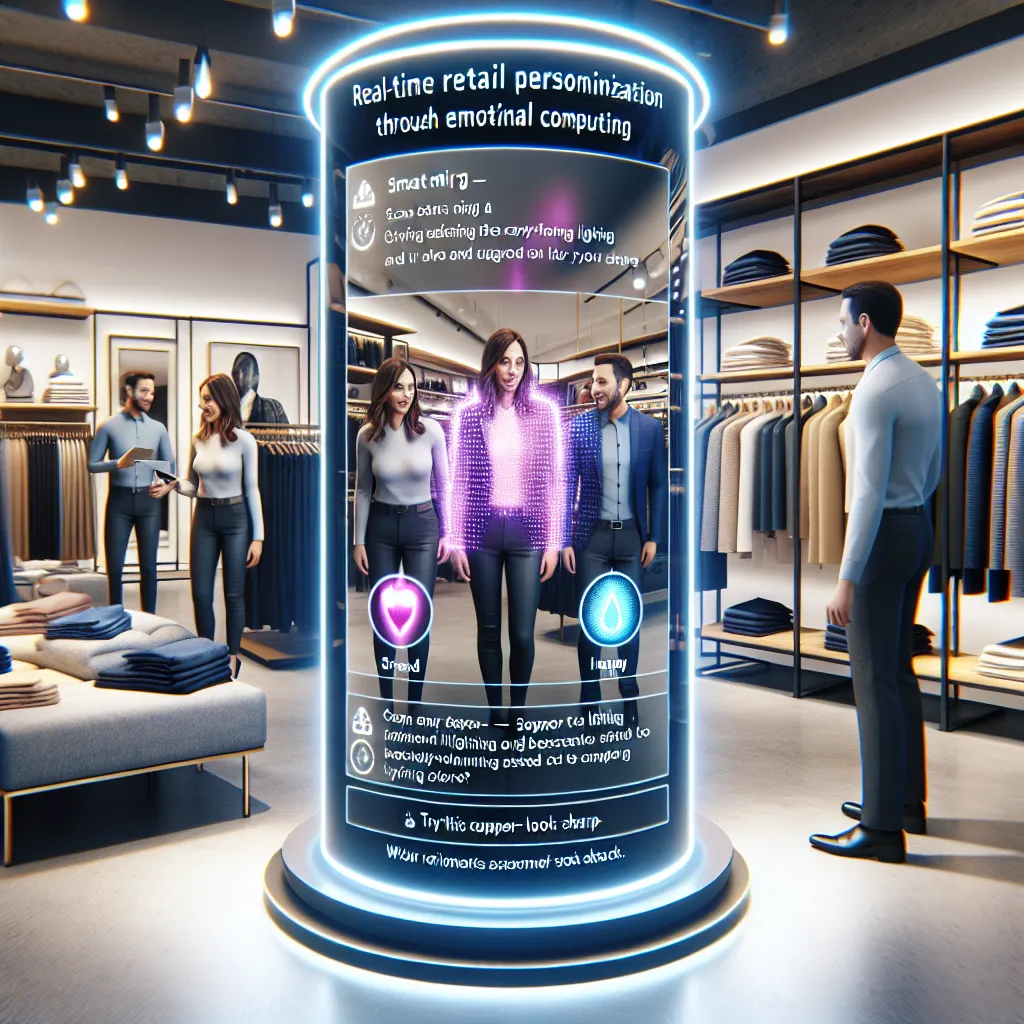
Retail stores know static fitting-room lighting and mirrors miss emotional cues and personalization. Leveraging emotion-aware AI trends and large-display smart tech, this startup installs smart retail mirrors that visually scan your expression and body language, then adjust lighting—and recommend outfits based on mood. For example, a shopper with a furrowed brow might see warmer lighting or brighter contrasts to boost confidence. They could also virtually try on items tailored to their emotional profile—comfort wear for stress, bold colors when happy. Sales associates access a dashboard that guides personalized upsells (“Try this blazer—you look sharp”) without invading privacy. It’s real-time retail tuning through emotional computing.
Description
No additional description provided.
The Pitch
Retail environments are evolving rapidly with the integration of technology, yet many remain anchored in outdated practices, particularly in fitting rooms where the experience can often feel impersonal and static. The typical retail fitting room relies on conventional lighting and mirrors, offering limited emotional engagement and personalization. Recognizing this gap, there is an opportunity to revolutionize the in-store shopping experience by leveraging emotion-aware AI and advanced smart display technology.
Backstory: Consumers today demand more personalized and engaging retail experiences. The fitting room should be a space where shoppers feel confident and understood, yet it often falls short, contributing to hesitation and abandoned purchases. Emotional cues like facial expressions and body language often go unnoticed, preventing retailers from providing the kind of tailored service that can drive both sales and customer loyalty.
The Problem: Many retail stores struggle with converting fitting room visits into sales due to the lack of interaction and customization. Standard lighting and static mirrors do not adapt to the mood or preferences of the consumer, leading to dissatisfaction and missed opportunities for retailers to enhance customer experience and increase sales.
The Solution: Introducing smart retail mirrors equipped with emotion-aware AI. These mirrors can visually interpret a shopper's expression and body language to deliver a personalized experience. By adjusting the lighting and recommending outfits based on the customer's emotional state, the mirrors can offer a supportive and unique shopping journey. For instance, warm lighting can be applied to soothe stress, or playful colors suggested to match an uplifted mood. Additionally, these mirrors allow users to virtually try on different garments, capturing interest and encouraging purchase decisions.
Product Details: 1. **Emotion-Aware Display**: Using advanced sensors and AI, the mirror analyzes micro-expressions and posture to determine mood. 2. **Adaptive Lighting**: Automatically adjusts lighting to enhance the shopper’s experience, making them look their best. 3. **Personalized Recommendations**: Suggestion algorithms offer clothing options that match the shopper's emotional state. 4. **Virtual Try-On**: Augmented reality technology enables users to see themselves in different outfits without changing clothes. 5. **Sales Associate Dashboard**: Allows staff to access insights and recommend upsells without compromising customer privacy.
Tools for MVP Launch: - **AI and Sensor Technology**: Platforms like Affectiva or Microsoft Face API for emotion detection. - **AR Software**: Tools like Vuforia or ARKit for integrating virtual try-on functionality. - **Display Hardware**: Large touch-screen mirrors with built-in cameras and lighting controls. - **Back-End Integration**: Cloud services like AWS or Google Cloud for data processing and storage.
Go-to-Market (GTM) Strategy: 1. **Partnership with Retail Chains**: Start with pilots in collaboration with established retail brands to showcase effectiveness and gather feedback. 2. **Direct In-Store Promotions**: Use live demos and promotions to attract customer interest and drive instant sales. 3. **Influencer Collaborations**: Engage fashion influencers to trial the smart mirror, generating buzz and driving traffic to stores. 4. **Retail Events and Conferences**: Present the technology at industry events to build awareness and generate leads.
Business Model: - **Hardware Lease**: Offer smart mirrors to retailers on a leased basis, reducing initial costs and ensuring sustained revenue. - **Subscription for Updates**: Monthly subscription for regularly updating AI algorithms and software features. - **Data Insights License**: Provide anonymized data analytics to retailers, offering insights into consumer behavior trends for an additional fee.
Conclusion: Emotion-aware smart mirrors have the potential to transform conventional retail interactions into dynamic, personalized experiences. By addressing the current limitations of fitting rooms, this innovation significantly enhances customer satisfaction and strengthens brand loyalty, positioning retailers at the cutting edge of retail technology integration.