Emergent Organizations: AI-Human Cooperative Ecosystems
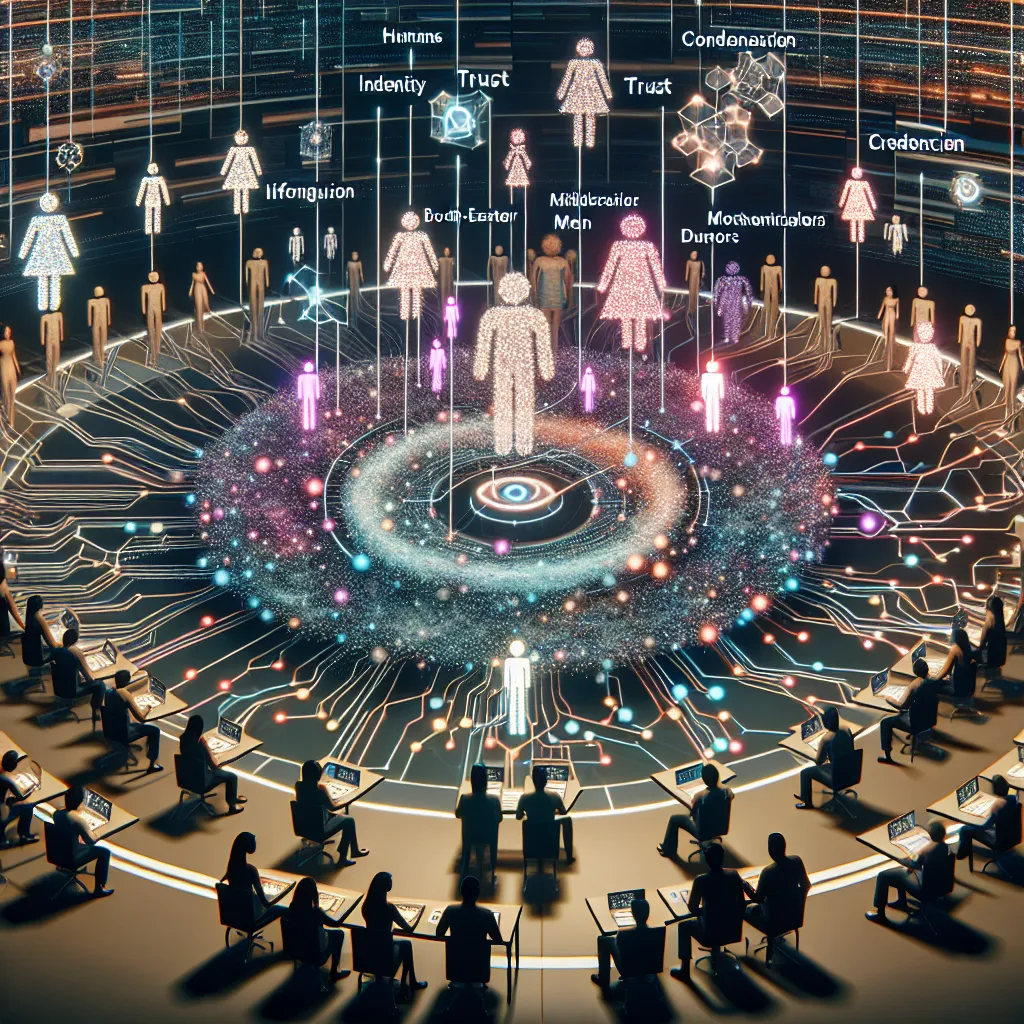
New forms of organizations are emerging where small groups of humans coordinate large networks of AI agents, freelancers, and automated systems to accomplish complex work. These “emergent organizations” operate more like fluid ecosystems than traditional corporate hierarchies. Infrastructure is needed to manage identity, trust, credentialing, and payments across thousands or millions of human and AI contributors. Platforms that orchestrate these dynamic networks could become the backbone of next-generation companies. Imagine a system where teams spin up entire organizations composed of AI agents and human specialists to execute projects dynamically.
Description
No additional description provided.
The Pitch
In the rapidly evolving world of work, a transformative form of organization is emerging. These emergent organizations consist of small groups of humans coordinating large networks of AI agents, freelancers, and automated systems to achieve complex goals. Unlike traditional corporate hierarchies, these organizations operate like dynamic ecosystems, necessitating new infrastructure to handle various operational aspects such as identity management, trust-building, credentialing, and payment processing across potentially thousands or millions of contributors. Platforms designed to orchestrate these networks could be essential to next-generation business models. This document is directed at individuals interested in developing such a platform, presenting the backstory, problems, solutions, product details, tools, launch strategies, and business models involved.
Backstory: The traditional corporate structure has dominated business operations for decades but is increasingly being challenged by the need for faster, more flexible, and distributed approaches to work. With advancements in AI and digital communication, it's now possible to coordinate disparate resources into a cohesive operational framework. Successful businesses will be those that can adapt and manage these networks effectively, creating opportunities for innovative platforms that serve as the foundation for emergent organizations.
Problem: Managing a distributed network of human and AI contributors poses several significant challenges:
1. Identity Management: Facilitating seamless interactions requires reliable identity systems that authenticate and authorize both human users and AI agents.
2. Trust and Credentialing: Establishing trust among contributors and validating credentials in a digital-first environment is necessary to maintain quality and security.
3. Payment Systems: Efficient and transparent systems for processing payments between contributors globally, including freelancers, AI service providers, and platform operators.
4. Coordination: Beyond technical integration, there's the need for mechanisms that allow for the smooth orchestration of varied tasks by human teams and AI.
Solution: A comprehensive platform designed to address these challenges can propel the growth of emergent organizations. The solution would include:
1. A robust identity management system utilizing blockchain or other decentralized technologies to provide secure, immutable identification.
2. Trust and credentialing mechanisms, possibly employing AI for reputation scoring and skill verification, ensuring reliable assessments of capabilities and work history.
3. An integrated payment system supporting multiple currencies and cryptocurrencies to facilitate swift transactions across borders.
4. Coordination tools that employ AI to assign tasks, monitor progress, and optimize workflows dynamically across human and AI agents.
Product Details: The platform would consist of several core modules:
1. Identity and Access Management: Leveraging blockchain for secure, decentralized ID verification. 2. Credentialing and Verification Engine: AI-enhanced systems for validating skills and generating trust scores. 3. Payments and Finance Module: Support for traditional and digital currencies, ensuring transparent and efficient transactions. 4. AI Coordination Dashboard: An intuitive interface for overseeing the dynamic distribution and execution of tasks, backed by powerful analytics.
Tools for MVP Launch: To create a Minimum Viable Product (MVP), the following tools and technologies are recommended:
1. Blockchain platforms such as Ethereum or Solana for decentralized identity management. 2. AI frameworks like TensorFlow or PyTorch for developing the credentialing and verification engine. 3. Fintech APIs like Stripe or PayPal for rapid development and integration of the payment module. 4. Project management and collaboration tools such as Trello or Asana to organize and track platform development.
Go-to-Market Strategy: 1. Target early adopters in sectors like fintech, legal tech, and IT, where distributed work models are gaining traction. 2. Establish partnerships with leading AI and blockchain companies to enhance platform credibility and reach. 3. Employ a content marketing strategy focusing on educating the market about the benefits of emergent organization technology. 4. Create pilot programs with selected clients to demonstrate value and gather feedback.
Business Model: The platform could adopt a subscription-based model, charging organizations a recurring fee based on the number of managed contributors or transactions processed. Additionally, transaction fees from the integrated payment system could generate supplemental revenue. Premium services, such as advanced analytics or personalized support, could offer additional monetization opportunities.
Conclusion: As businesses increasingly shift towards more distributed and agile models, the importance of platforms that enable and support emergent organizations will grow. Pioneering solutions in this space promise not only to redefine business operations but also to create a new paradigm for human and AI collaboration. Those interested in developing such platforms have the opportunity to be at the forefront of a significant organizational transformation.