Efficient Urban Deliveries with Central Drop Zones
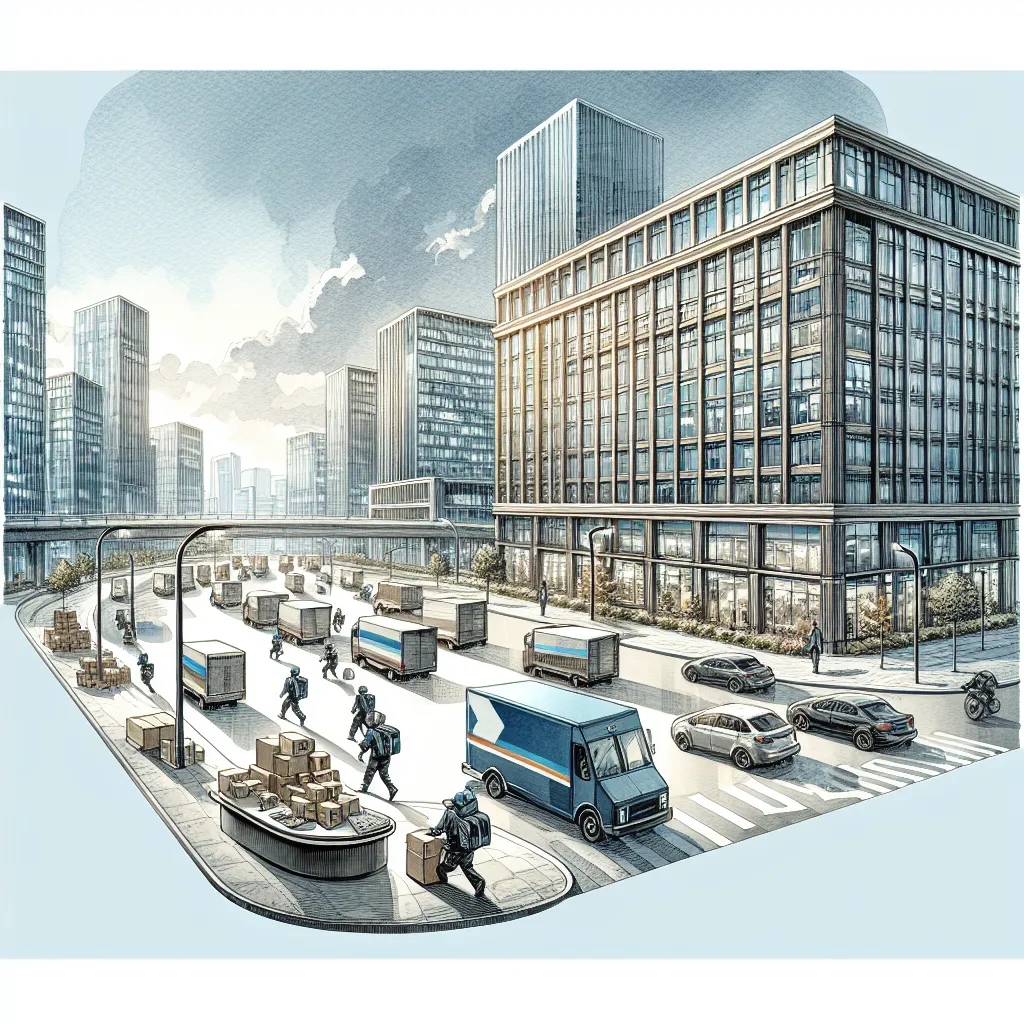
In dense urban areas, delivery times often lag not because of driving distance, but due to inefficiencies in the “last foot” — finding the exact door, waiting for handoffs, or navigating large buildings. The solution is a “drop zone” model: a staffed, central hand-off point near clusters of customers (like office towers or apartment complexes). Drivers drop off orders rapidly to the zone, while a dedicated runner handles the final delivery leg. This system minimizes idle time, increases delivery frequency, and cuts average wait times significantly. As described in the transcript: “This sped up delivery like crazy… our delivery times were like 15 minutes, 16 minutes… and we were just crushing everybody on delivery.” This model could serve restaurants, couriers, or local retailers aiming to compete with major platforms by delivering faster and more efficiently.
Description
No additional description provided.
The Pitch
In bustling urban environments, a recurrent challenge in delivery services isn't the driving distance but rather the inefficiencies encountered in the last foot of delivery. Delays often arise from locating the correct door, waiting during handoffs, or navigating through large buildings. To address this, consider implementing a drop zone model: a centralized, staffed hand-off point strategically situated near clusters of customers such as office towers or apartment complexes.
In this model, delivery drivers can quickly drop off orders at the designated zone, while a dedicated runner manages the final leg of the delivery to the customer's doorstep. This approach significantly reduces idle time, increases the frequency of deliveries, and markedly decreases average wait times. For instance, implementing such a system has been reported to drastically speed up delivery times, achieving averages as low as 15 to 16 minutes, thereby surpassing competitors in delivery efficiency.
This model proves beneficial for various entities such as restaurants, couriers, and local retailers aiming to compete with larger platforms by enhancing their delivery speed and efficiency.
For those interested in developing this model, an understanding of its backstory reveals that the challenge lies in the inefficient final steps of delivery in dense urban areas. The solution, therefore, is to centralize the initial handoff of goods at a conveniently located drop zone and employ runners to manage the final part of the delivery process.
Key product details include:
1. Drop Zone Setup: Establish a staffed location with secure storage facilities where drivers can quickly offload packages for final delivery.
2. Runner System: Deploy a team of runners equipped with real-time communication tools to complete deliveries from the drop zone.
3. Technology: Develop or integrate a software platform to coordinate and track deliveries, manage runner assignments, and handle customer notifications.
Tools to facilitate a Minimum Viable Product (MVP) launch could include:
- GPS and mapping software to optimize runner routes and drop zone placements. - Mobile apps or integrated communication tools for seamless coordination between drivers, runners, and customers. - Data analytics platforms to track performance metrics and improve service efficiency.
A go-to-market (GTM) strategy might involve partnerships with local businesses to pilot the program, providing a case study of improved delivery speeds and customer satisfaction.
The business model could be designed around a subscription or fee-per-delivery model, where businesses pay for access to the drop zone and runner services, potentially supplemented by advertising or partnership opportunities with local retailers.
In summary, the drop zone model presents a compelling solution to the last foot delivery inefficiency in urban areas, with potential for significant improvements in speed and service quality for a variety of delivery-based businesses.