Efficient Robots: Mechanically-Encoded Shape-Changing Designs
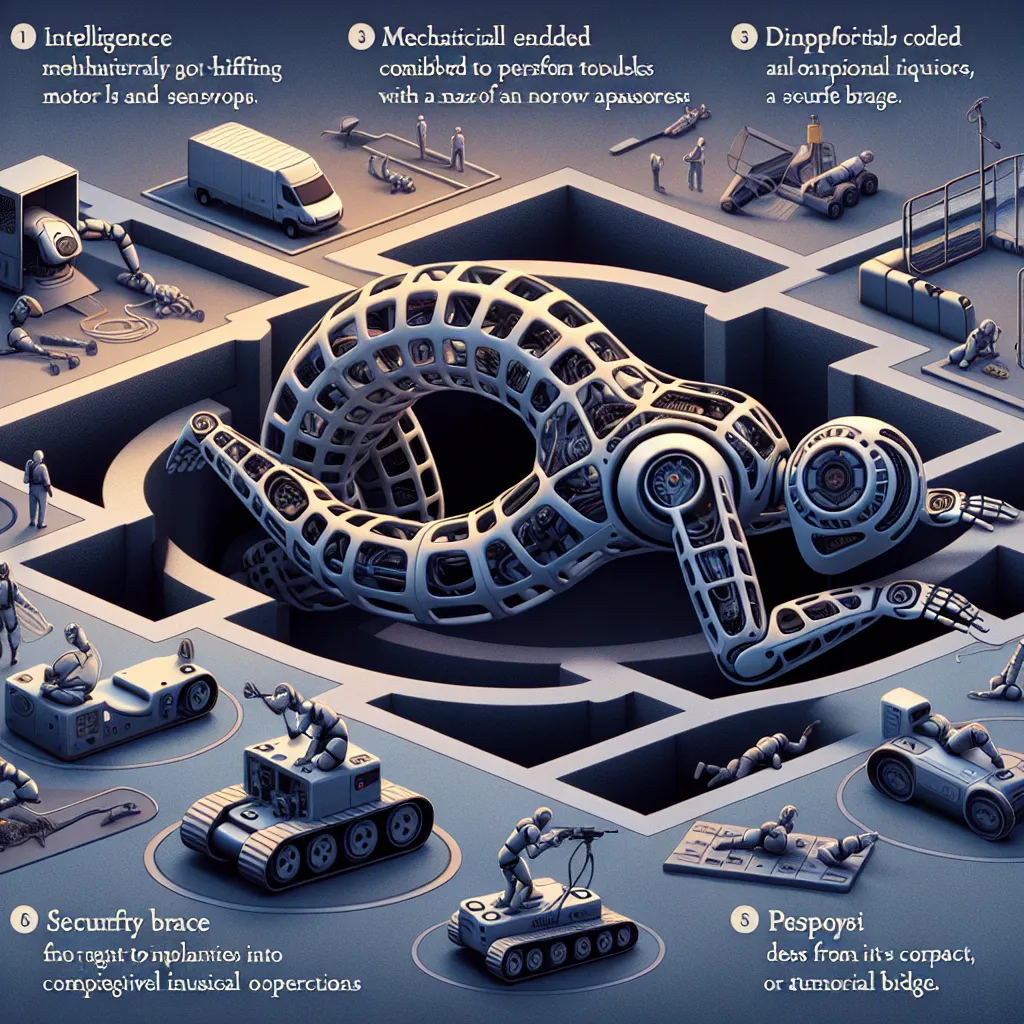
Robots typically rely on motors, sensors, and software to change shape or behavior — making them expensive, fragile, and power-hungry. Shape-changing robots were limited because actuation required energy and control. Single-pull deployable structures introduce a different paradigm: robots whose capabilities are mechanically encoded and activated only when needed. A robot could move through tight spaces flat, then deploy into a functional tool — a gripper, brace, or bridge — without motors. This unlocks new robotic systems for search and rescue, medical procedures, and industrial inspection where simplicity and reliability matter more than autonomy. This category didn’t exist because intelligence lived in software. Now it can live in structure.
Description
No additional description provided.
The Pitch
Over the past few decades, robotics has advanced significantly, driven by the integration of sophisticated motors, sensors, and software. These components have enabled robots to perform complex tasks, transforming industries such as manufacturing, healthcare, and logistics. However, this complexity comes at a cost. Traditional robots are often expensive, delicate, and require substantial energy to operate, limiting their utility in environments where simplicity and reliability are paramount.
Conventional shape-changing robots have been constrained by their dependency on energy and control systems to achieve transformation. As a result, their use in scenarios demanding minimalism and robustness, such as search and rescue or medical interventions, was not feasible. The idea of deploying robots whose capabilities are encoded into their structure, activated only when necessary, presents an innovative solution to these challenges.
### Problem
The current landscape of robotics presents several issues across applications that necessitate durability and dependability:
- **Cost and Complexity**: The necessity for multiple components and sophisticated control systems drive up costs and complicate maintenance and operation. - **Energy Consumption**: High energy demand limits operation time and sustainability, posing challenges in remote or power-constrained environments. - **Fragility**: Complex systems are prone to malfunction, especially in harsh conditions, undermining their reliability.
These limitations have left certain sectors under-served, particularly those requiring highly adaptive, low-maintenance solutions such as emergency response, medical operations, and industrial inspection.
### Solution
The concept of mechanically encoded robots, equipped with single-pull deployable structures, introduces a paradigm shift. By embedding structural intelligence directly into the robot, these systems can transform from flat, space-efficient forms to functional configurations without relying on motors. This innovative approach addresses the aforementioned issues:
- **Cost-Effectiveness**: By reducing reliance on electronic components, production and maintenance costs decrease significantly. - **Efficiency and Sustainability**: Elimination of continuous power requirements extends operational periods and supports sustainable use. - **Robustness**: Mechanically simple structures enhance survivability and reliability, essential for high-risk operations.
### Product Details
Mechanically encoded robots can be designed for a variety of applications, including but not limited to:
- **Search and Rescue**: Robots that transform from compact forms to tools such as grippers or braces to navigate debris. - **Medical Procedures**: Deployable structures that adapt to surgical needs without the interference of bulky electronics. - **Industrial Inspection**: Flat robots that deploy into climbing or bridging tools for infrastructure assessment.
### Tools for MVP Development
The journey to developing a minimally viable product (MVP) involves several key steps, utilizing available technologies and resources:
1. **CAD Software**: Tools such as SolidWorks or AutoCAD for designing deployable structures. 2. **3D Printing Technology**: Use of 3D printers to prototype structures rapidly. 3. **Material Selection**: Advanced materials, including shape-memory alloys or polymers, to enhance functionality. 4. **Testing Platforms**: Simulated environments and physical testing setups to refine deployment mechanisms.
### Go-to-Market Strategy (GTM)
The launch strategy for mechanically encoded robots should focus on building awareness and demonstrating application-specific value:
- **Partnerships**: Collaborate with technology firms and industry stakeholders to leverage expertise and distribution networks. - **Pilot Programs**: Initiate pilot projects in targeted sectors like disaster response and healthcare, showcasing practicality and benefits. - **Industry Conferences**: Participate in trade shows and conferences to generate interest and develop customer relationships.
### Business Model
The business model for mechanically encoded robots could incorporate the following elements:
- **B2B Sales**: Direct sales to industries requiring specialized robotics solutions, such as emergency services and hospitals. - **Licensing**: License technology or specific designs to companies looking to integrate mechanical intelligence into their product offerings. - **Subscription Maintenance**: Offering maintenance and upgrading services on a subscription basis to ensure ongoing usability and performance for clients.
In conclusion, mechanically encoded robots represent an exciting frontier in robotic technology, addressing existing limitations through innovative design paradigms. By reinforcing simplicity and reliability in structural capabilities, these systems promise to unlock new possibilities in critical fields requiring robust and efficient solutions.