Efficient Regional Facilities for Shoe Recycling
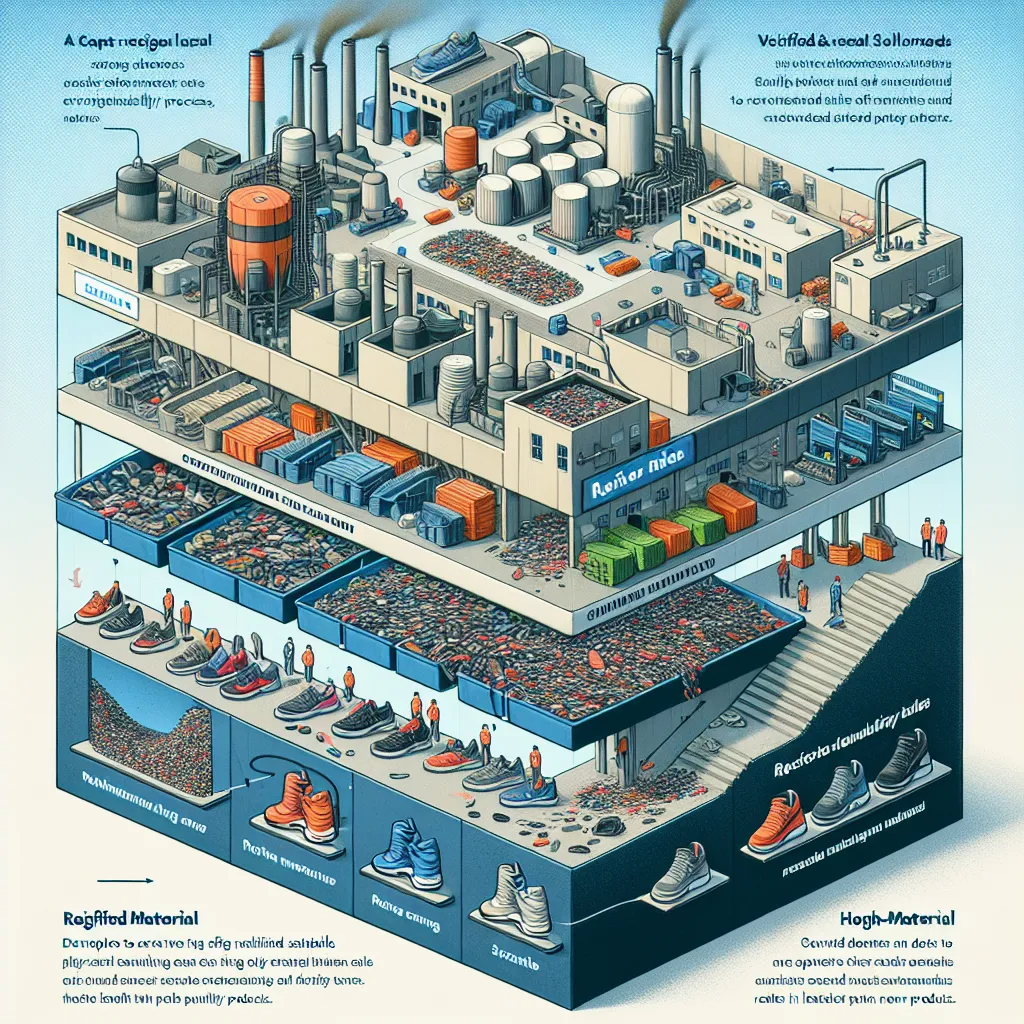
The footwear industry produces billions of shoes annually, but most are nearly impossible to recycle because the materials—rubber, foam, fabric—are glued together. This concept creates compact regional facilities that can efficiently separate and break down used shoes using precision cutting tools, low-heat solvents, and sorting machinery. Each disassembled shoe is turned into clean, single-material components that are resold or reprocessed into new products. Brands that send shoes into the system receive verified recycling data and high-quality raw materials in return. Cities benefit from reduced landfill waste, and companies improve their sustainability metrics without building their own infrastructure. The model is fast, traceable, and scalable—designed to serve multiple brands while solving a common industry bottleneck.
Description
No additional description provided.
The Pitch
For entrepreneurs or innovators interested in exploring a sustainable business opportunity within the footwear industry, consider this innovative concept focused on revolutionizing shoe recycling. Let's delve into the backdrop that highlights the challenges and how your venture could offer a compelling solution.
**Backstory**
The footwear industry crafts billions of shoes annually, a large portion of which unfortunately contribute to environmental waste due to their complex build. Traditional shoe manufacturing involves various materials—such as rubber, foam, and fabric—that are adhered together, creating a formidable recycling challenge as they are not easily separated. This presents a significant environmental concern, as countless discarded shoes end up in landfills, exacerbating pollution and resource wastage.
**The Problem**
The crux of the issue lies in the inability to efficiently recycle used footwear due to the composite nature of the materials used. Most shoes utilize adhesives and construction techniques that make material separation painstakingly difficult. This results in a substantial amount of footwear ending up in landfills each year, undermining sustainability efforts and presenting disposal challenges for municipalities. Additionally, brands often lack the infrastructure necessary to process worn-out products, thereby missing opportunities to reclaim valuable raw materials.
**The Solution**
The proposed venture involves establishing compact, regional facilities specifically designed for the efficient separation and breakdown of used footwear. These facilities leverage precision cutting tools, low-heat solvents, and specialized sorting machinery to disassemble each pair of shoes into its single-material components. The result is clean, reusable materials that can be resold or reprocessed into new products. Brands that partner with these facilities benefit from rigorous, verified recycling data and gain access to high-quality, reclaimed raw materials. Urban centers, in turn, enjoy reduced landfill waste and improved waste management strategies, while brands enhance their sustainability metrics without the burden of developing their own recycling infrastructure.
**Product Details**
The envisioned product is a network of regional recycling centers equipped with state-of-the-art technology for shoe disassembly. These centers are designed to be fast, traceable, and scalable to accommodate the recycling needs of multiple brands. Each facility would employ cutting-edge tools such as precision cutters, material-specific solvents, and automated sorting machines. Additionally, an integrated data management system will provide real-time analytics and verification for shoe brands, detailing the recycling impact and generating insights for sustainable practices.
**Tools for MVP Launch**
To streamline the launch of a minimum viable product (MVP), consider leveraging existing technologies and platforms. For disassembly and sorting, technologies such as CNC machines and automated conveyor belt sorters can be adapted. Software platforms for data analytics and tracking, such as cloud-based databases and IoT sensors, will facilitate real-time monitoring and reporting.
**Go-to-Market Strategy**
Your go-to-market strategy should focus on building partnerships with major shoe brands that are looking to enhance their sustainability image. Position the recycling centers as a service that complements their existing supply chain. Attending industry trade shows, presenting at sustainability conferences, and engaging with online forums can help raise awareness and generate interest.
**Business Model**
The business model centers around a service-as-a-product approach. Brands pay a fee for each pair of shoes processed, benefiting from both the recycling data and the reclaimed materials. Additional revenue streams might include selling the reclaimed materials to other industries or collaborating with eco-friendly product manufacturers. To ensure scalability, consider franchising the facility model to different regions.
By addressing a tangible issue within the footwear industry with a technologically advanced, sustainable solution, your business has the potential to transform how brands view and implement recycling, driving both environmental and commercial success.