Efficient Drone Planes for Middle Mile Delivery
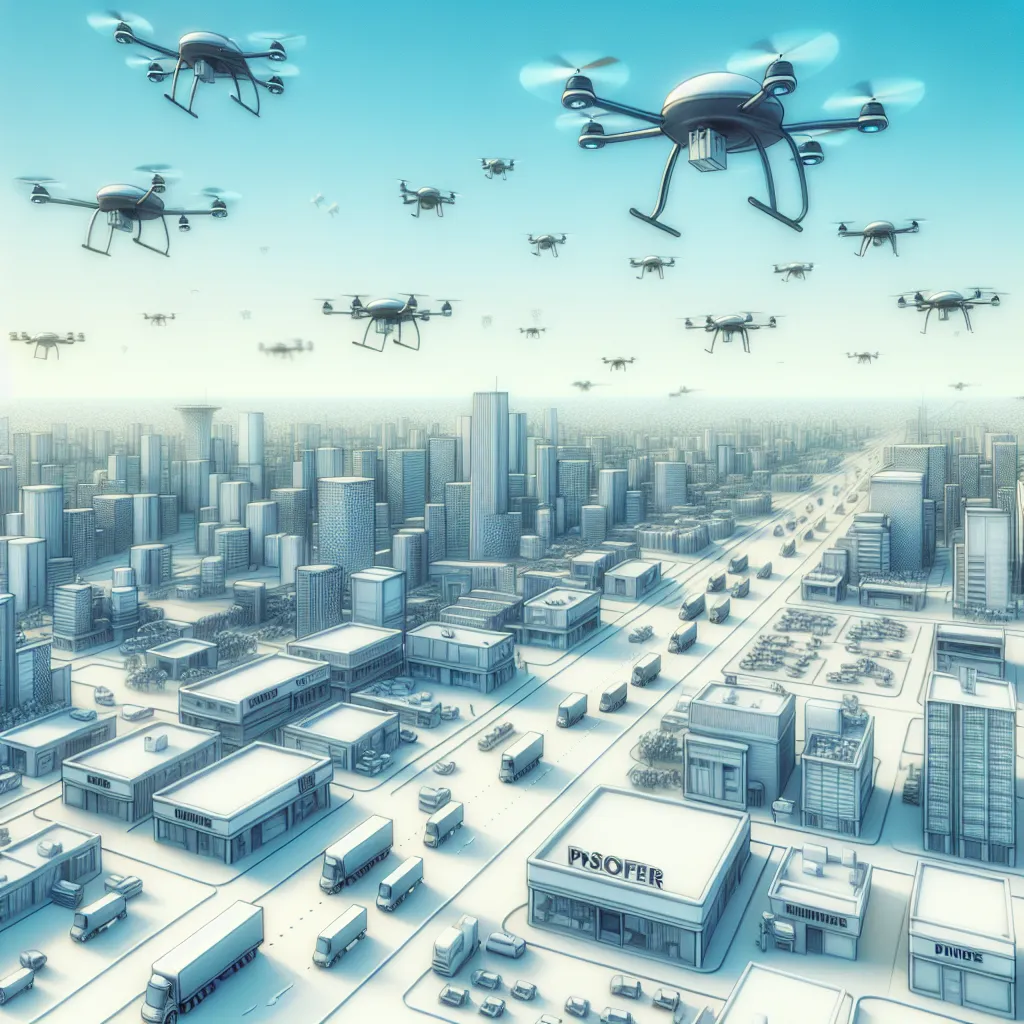
Last-mile delivery is expensive and inefficient, but so is the “middle mile” between warehouses and local distribution points. Use small, fast, low-altitude drone planes to shuttle packages between hubs (warehouses → post offices → buildings), reducing reliance on trucks. Drone tech is proven (medicine delivery, military, etc.), and logistics companies are constantly optimizing speed and cost. Packages fly continuously between city hubs at 100 mph, arriving locally before final delivery.
Description
No additional description provided.
The Pitch
Delivering packages efficiently and cost-effectively is a significant challenge in the logistics industry. While much attention has been given to solving last-mile delivery issues, the middle mile—between central warehouses and local distribution points—remains an expensive and inefficient bottleneck. With advancements in drone technology, there is a compelling opportunity to transform this aspect of the supply chain.
**Backstory**
Traditionally, middle-mile logistics has relied heavily on ground transportation, such as trucks, to move packages from distribution centers to local facilities. This process is often hampered by traffic congestion, fuel costs, and environmental concerns. With the rapid growth of e-commerce, the volume of packages needing transit has surged, putting further strain on these conventional methods.
Meanwhile, drone technology has evolved significantly, with successful applications in delivering medical supplies to remote areas and military uses. Logistics companies are continually seeking ways to improve speed and reduce costs, making drone technology an attractive proposition for addressing middle-mile inefficiencies.
**Problem**
The middle mile is plagued by high operating costs, slower delivery times due to road congestion, and significant carbon emissions. Trucks are not optimized for the frequent, high-speed transfer of packages that modern commerce demands. This inefficiency raises costs for businesses and delays delivery times for consumers, ultimately impacting satisfaction and competitiveness.
**Solution**
By employing small, fast, low-altitude drone planes to shuttle packages between hubs, the logistics chain can be vastly improved. These drones can travel at speeds of 100 mph, ensuring rapid transit between city hubs such as warehouses and post offices. They operate continuously, allowing for a steady flow of packages that arrive locally for final delivery. This reduces reliance on road transport, mitigates traffic-related delays, and significantly cuts down on carbon emissions.
**Product Details**
The proposed solution involves deploying a fleet of autonomous drones designed for middle-mile logistics. Key features include:
1. **High-speed Travel**: Capable of maintaining speeds of up to 100 mph. 2. **Autonomous Navigation**: Advanced AI and GPS systems for route optimization and obstacle avoidance. 3. **Robust Payload Capacity**: Designed to handle standard package sizes commonly used in e-commerce. 4. **Sustainable Energy Source**: Electric-powered drones to minimize environmental impact.
**Tools for Launch**
1. **Drone Fleet Management Software**: For real-time tracking, fleet coordination, and maintenance scheduling. 2. **AI and Machine Learning**: For optimizing flight paths and improving package delivery accuracy. 3. **Compliance Management**: Ensuring adherence to aviation regulations with automated compliance checks.
**MVP Launch Strategy**
1. **Pilot Program**: Initiate a small-scale pilot in a region with high package volumes and significant traffic congestion. 2. **Partnerships with Logistics Companies**: Collaborate with a logistics provider to integrate drone deliveries into their supply chain. 3. **Regulatory Approval**: Work closely with aviation authorities to secure necessary approvals and ensure legal compliance.
**Go-to-Market Strategy**
1. **Targeted Marketing**: Focus on regions with existing logistics challenges and high demand for faster delivery services. 2. **Partnerships with E-commerce Platforms**: Integrate drone delivery as a premium offering for online retailers. 3. **Awareness Campaigns**: Highlight environmental benefits and improved delivery speeds to attract eco-conscious consumers and businesses.
**Business Model**
1. **Subscription Service**: Offer drone delivery as a subscription service to businesses, providing predictable costs and reliable service. 2. **Per-Delivery Fees**: Charge a fee based on the distance and weight of each delivery. 3. **Data Licensing**: Offer insights on logistics optimization and environmental impact to partners and stakeholders.
By leveraging this innovative approach, businesses can significantly enhance their logistics operations, reduce costs, and improve delivery times, all while contributing positively to environmental goals. This proposal not only addresses the current inefficiencies in the middle-mile logistics but also positions companies for the future of sustainable and efficient delivery solutions.