Efficient Campus Rides with Micro-EVs
College students need fast, cheap ways to get around sprawling campuses. This startup deploys micro-EVs and dynamic routing software, optimizing rides in real time. Trend: micromobility adoption is expanding on campuses. Example: a student hails a $1 ride to class, sharing with 2 others. Average wait time: under 3 minutes.
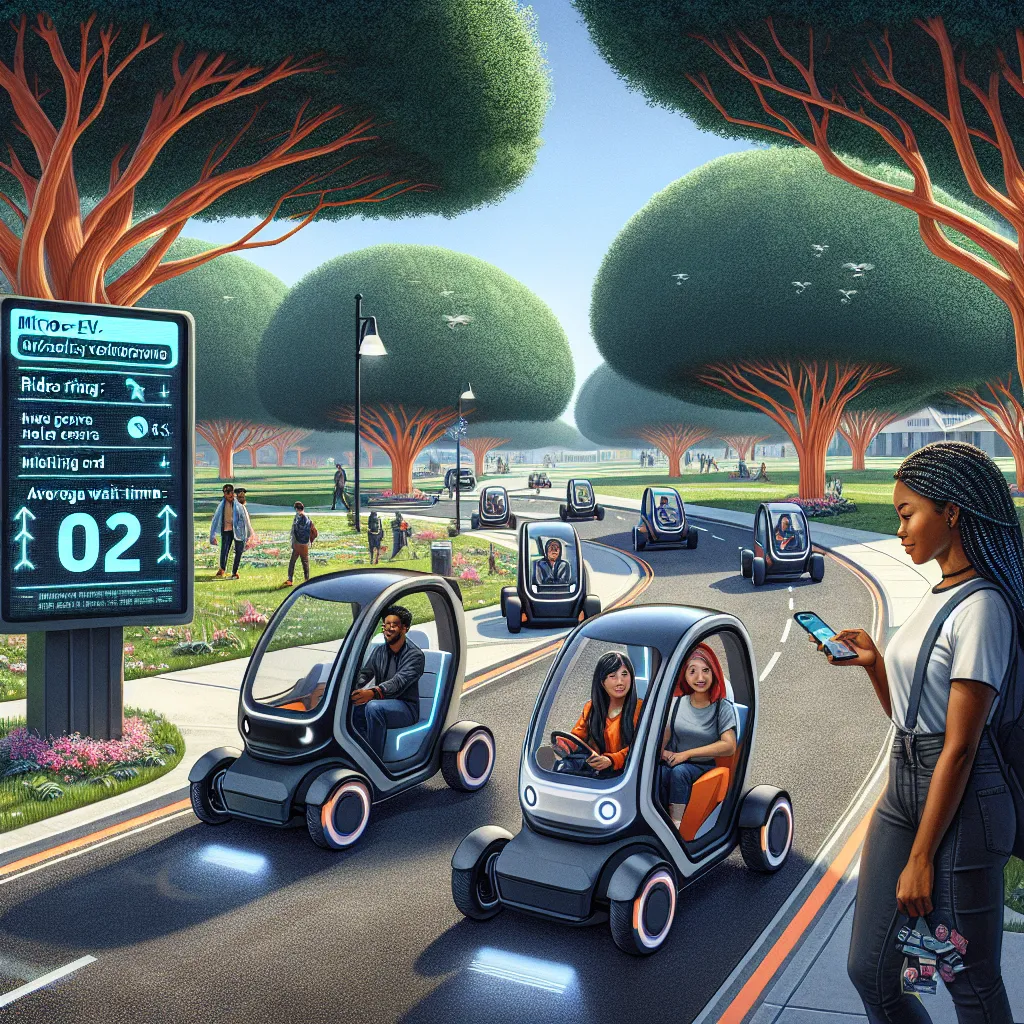
Description
No additional description provided.
The Pitch
Modern college campuses can be vast and challenging to navigate, often leaving students searching for efficient transportation options. This venture presents a transformative solution designed to enhance on-campus mobility using micro-EVs (electric vehicles) and dynamic routing software. The aim is to offer students an affordable, convenient, and eco-friendly transportation alternative.
Backstory:
As college campuses expand, the demand for reliable transportation grows exponentially. Traditional shuttle services can be inflexible, costly, and environmentally taxing. Moreover, personal vehicles contribute to congestion and require parking spaces, which are limited and often far from campus destinations. Observing the discontent among students who face these daily struggles, there is a clear opportunity to address this gap in campus transportation.
Problem:
1. Congested walkways and limited parking: Students waste valuable time commuting between classes, often leading to tardiness or missed opportunities. 2. Environmental concerns: Traditional shuttle services and individual car usage contribute to a sizable carbon footprint. 3. Cost implications: Students often cannot afford existing transportation options or find them impractical for short commutes. 4. Inflexibility: Current transportation methods fail to accommodate dynamic schedules and spontaneous travel needs.
Solution:
The proposed initiative introduces a fleet of micro-EVs on campus, providing an on-demand, shared transportation service that caters specifically to students' needs. These vehicles are compact, energy-efficient, and tailored for short-distance travel, ideal for getting around campus swiftly and sustainably.
Product Details:
1. Micro-EVs: Environmentally friendly electric vehicles designed for short trips. These vehicles offer shared rides to optimize resource utilization and reduce costs.
2. Dynamic Routing Software: Advanced software capable of analyzing real-time data to optimize routes, minimize wait times, and ensure efficient ride-sharing. This system adapts to students' evolving schedules and travel patterns.
3. Ride-hailing App: A user-friendly mobile application that allows students to request rides, track vehicle locations, and make mobile payments with ease.
4. Pricing Model: Affordable pricing at approximately $1 per ride, with incentives for shared rides to encourage collaboration and reduce environmental impact. Subscription models may also be introduced for frequent users.
Tools for MVP Launch:
1. Vehicle Fleet: Partner with micro-EV manufacturers to lease or purchase an initial fleet tailored to campus needs. 2. App Development: Utilize cross-platform app development tools like Flutter or React Native for a seamless user experience. 3. Routing Software: Implement robust APIs and algorithms, leveraging platforms like Google Maps API for real-time tracking and routing. 4. Payment Systems: Integrate mobile payment solutions such as PayPal, Stripe, or Apple Pay for secure transactions.
GTM Strategy:
1. Campus Partnerships: Collaborate with universities to integrate the service into their transportation ecosystem as a sustainable option. 2. Student Engagement: Host informational events, provide free rides during launch, and leverage social media influencers to build awareness among students. 3. Pilot Programs: Start with pilot programs on selected campuses to gather feedback and make necessary improvements before scaling.
Business Model:
1. Pay-per-Ride: Primary revenue from individual rides, encouraging adoption through cost-effective pricing. 2. Subscription Plans: Offer monthly or semester-based plans for students with regular commuting needs. 3. Advertising: Partner with local businesses to display ads on vehicles and within the app, creating a supplementary revenue stream.
Conclusion:
By introducing micro-EVs and leveraging cutting-edge routing software, this initiative seeks to revolutionize campus transportation. The solution promises to provide students with a sustainable, affordable, and flexible way of navigating their college environment, paving the way for a smarter, greener future.