Edible Mycelium Clothing: Wearable Disaster Relief Solution
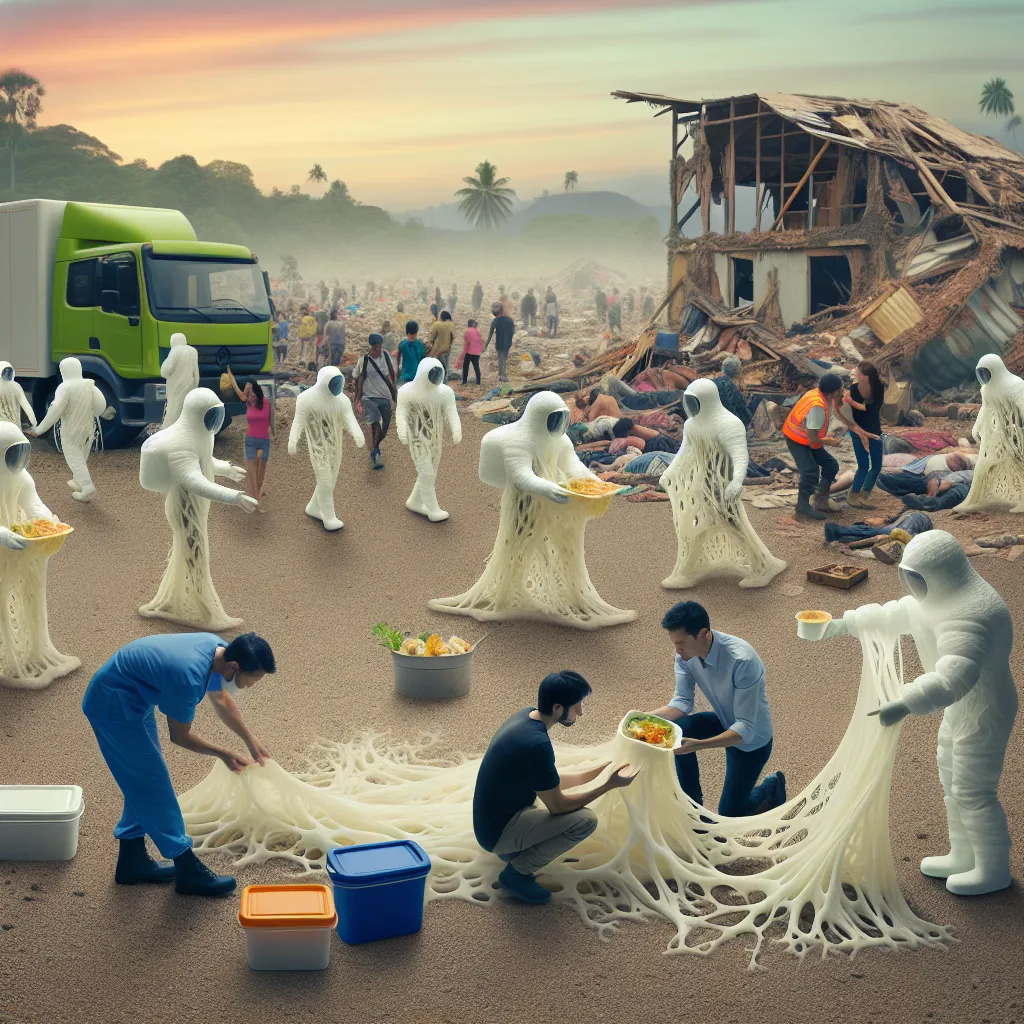
Clothing waste is a global issue, and disaster areas often lack both food and clothing. The problem is logistics — you must ship both separately. Imagine living, edible clothing made from mycelium that can be worn for protection but also consumed safely in emergencies. Nutrient-enriched fibers could offer survival calories if supply chains break. Why now? Mycelium tech is now flexible enough for textiles, and the humanitarian need for dual-purpose supplies is growing. Example: Relief workers distribute jackets that protect against the elements but can be eaten after weeks if necessary. No edible clothing exists at this scale — a novel resilience innovation.
Description
No additional description provided.
The Pitch
The world is grappling with the dual crises of clothing waste and the urgent need for supplies in disaster-stricken areas. Every year, millions of clothing items end up in landfills, while countless individuals in disaster zones struggle to obtain basic necessities like food and clothing. The challenge is not only one of production but also one of logistics, as shipping these essential items to affected areas individually can be both costly and inefficient. The realization that these resources can be combined into a single, innovative solution sparked the idea of creating edible clothing made from mycelium.
**Problem**
In the wake of natural disasters or emergencies, logistics often become the bottleneck in delivering aid. Transporting clothing and food separately burdens relief efforts, leading to delays and increased costs. Emergency environments need quick, efficient, and multipurpose solutions to enhance survival chances and comfort for those affected. Current solutions fall short of providing a holistic approach that addresses both clothing and nutritional needs in one go.
**Solution**
The concept revolves around developing living, edible clothing from mycelium, a type of fungus. Mycelium is known for its versatility and can be engineered to form flexible, nutrient-enriched fibers that can act as both wearable items and emergency food sources. This dual-purpose resource offers a transformative approach to disaster relief by minimizing separate logistics and maximizing utility for those in need. By integrating mycelium technology with textile production, you can create garments that protect against harsh elements while being an alternative food source when supplies run thin.
**Product Details**
- **Material**: Clothing is made from mycelium fibers, cultivated to be soft, durable, and edible. - **Functionality**: Jackets, ponchos, and blankets that provide warmth and protection can be consumed safely, offering essential calories and nutrients. - **Nutritional Value**: Each garment is enriched with vitamins and minerals to support basic dietary needs. - **Customization**: Mycelium can be engineered to suit various climate conditions, ensuring the garment meets environmental protection needs.
**Tools for MVP Launch**
1. **Mycelium Cultivation**: Utilize labs or partner with biotech companies specializing in mycelium production to develop the base material. 2. **3D Printing and Textile Manufacturing**: Implement technologies like 3D bioprinting to create prototypes and initial product runs. 3. **Nutritional Science Collaboration**: Work with nutritionists to ensure garments meet survival food standards and regulations. 4. **Supply Chain Partnerships**: Form alliances with logistics companies experienced in disaster relief to streamline delivery processes.
**Go-To-Market (GTM) Strategy**
1. **Target Audience**: Focus on non-profits, humanitarian organizations, and government agencies involved in disaster response and preparedness. 2. **Pilot Programs**: Conduct initial trials in regions prone to natural disasters, using the feedback to refine and adapt products. 3. **Public Awareness Campaigns**: Highlight the environmental and humanitarian benefits through digital marketing and storytelling, showcasing real-world impact. 4. **Partnerships and Advocacy**: Engage with environmental groups and relief organizations to generate goodwill and advocacy for the product.
**Business Model**
- **Direct Sales**: Sell directly to humanitarian organizations and government bodies for emergency preparedness stockpiling. - **Subscription Model**: Offer a subscription service for regular replenishment of garments, ensuring readiness for future disasters. - **Social Enterprise Approach**: Reinforce the brand's commitment to sustainability and humanitarian aid to attract ethical investors and supporters.
Through the convergence of mycelium technology and innovative textile design, this solution not only addresses a pressing humanitarian need but also pioneers a new category of sustainable, dual-purpose clothing in the market.