Ecosystem Attribution: Mapping Dark Social Influence
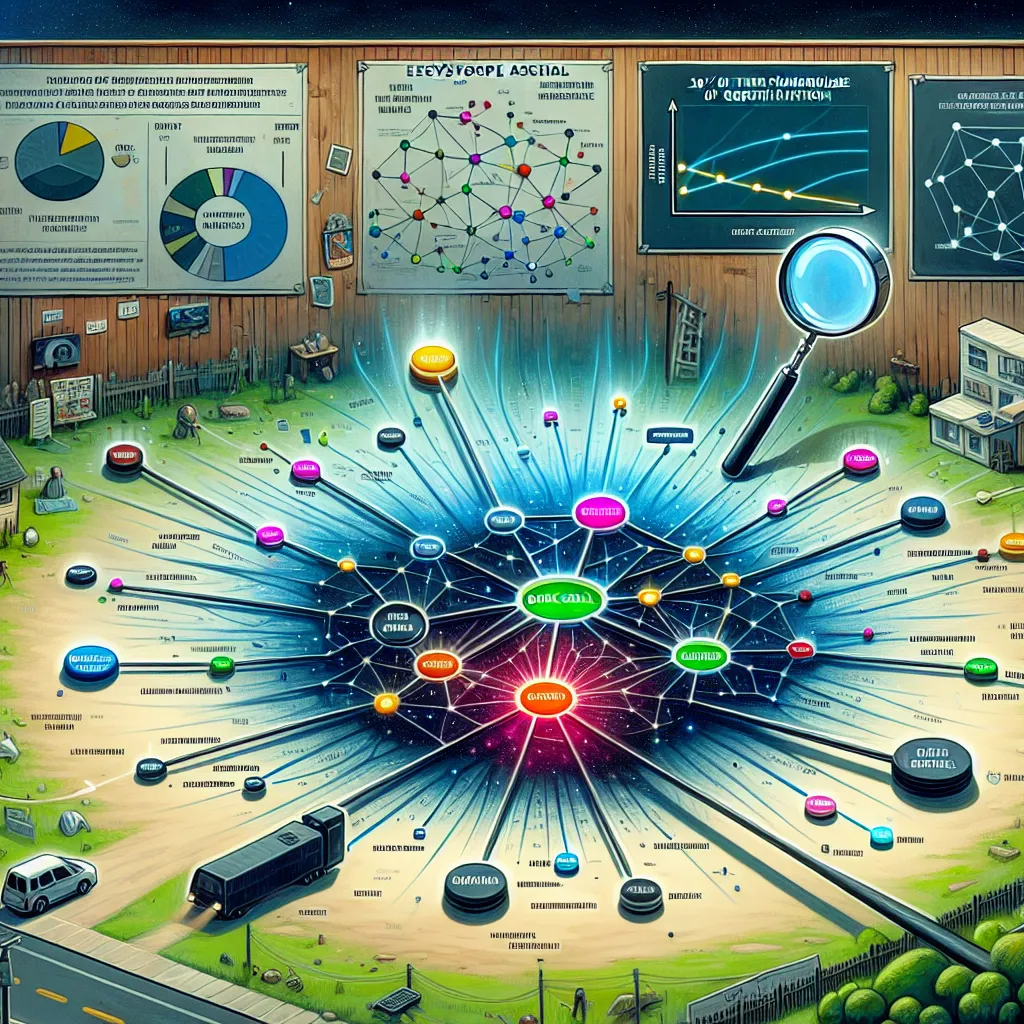
Ecosystem marketing works, but no one can measure it. If a user discovers you via a Discord clip, then a tweet, then a podcast, it all vanishes into “dark social.” Ecosystem Attribution solves that by modeling influence like a network graph instead of a funnel. It tracks engagement across every partner node and shows who truly drove revenue — even three hops away. Supabase could finally see that 30% of signups came from a YouTube tutorial made by someone they’d never paid. It’s the analytics engine for a world where growth happens through trust, not tracking pixels.
Description
No additional description provided.
The Pitch
In the evolving landscape of digital marketing, traditional attribution models often fall short when it comes to accurately tracking the multifaceted journey of a user through various platforms. This lack of clarity presents a significant challenge, especially within ecosystem marketing. Ecosystem marketing thrives on the interconnectedness of various platforms and creators, making it notoriously difficult to measure using conventional means.
Backstory: Consider a scenario where a potential customer discovers a product through a series of seemingly disconnected touchpoints: a vibrant discussion in a Discord server, followed by an insightful tweet, and later a deep-dive podcast episode. Despite each interaction influencing the user's decision-making process, the current attribution systems fail to capture these nuanced connections, rendering them invisible in what is often referred to as dark social.
Problem: Traditional attribution models operate linearly and are designed to follow a straightforward customer journey. The modern digital ecosystem, however, is akin to a complex web with multiple influencing nodes. Important touchpoints are missed, and as a result, marketers are unable to fully understand which nodes in this ecosystem truly drive value and influence conversions. This opacity leads to suboptimal allocation of marketing resources and missed opportunities for strategic partnerships.
Solution: Enter Ecosystem Attribution. Instead of following a linear approach, Ecosystem Attribution uses network graph modeling, transforming how influence is tracked across various partner nodes. This innovative system allows marketers to see connections beyond the first or second level of influence, measuring the true impact of indirect interactions through a multi-layered network model.
Product Details: Ecosystem Attribution is an analytics platform designed to capture and analyze interactions across diverse channels and influencers. It quantifies these engagements, attributing conversion values to each node in the network—regardless of how indirect the connection may be.
Key features include: - Network Graph Modeling: Illustrates the entire influence web, showing how various touchpoints contribute to conversions. - Multi-Channel Integration: Compatible with multiple platforms, allowing seamless data integration from sources such as social media platforms, podcasts, forums, and video channels. - Automated Reports: Delivers actionable insights about the most effective nodes in driving conversions. - API Access: For seamless integration with existing tools and marketing software.
Tools for Launching MVP: - Supabase: For backend database services to store and manage interaction data. - React or Vue.js: For building a user-friendly frontend interface. - Node.js: For server-side scripting and handling API requests. - D3.js: For visualizing network graphs and interaction nodes. - AWS or Google Cloud: For scalable cloud hosting and services.
Go-To-Market Strategy: - Target Early Adopters: Focus on digital marketing agencies and brands heavily reliant on influencer marketing. Educate them on the benefits of multi-touchpoint attribution. - Create Partnerships: Align with platforms such as YouTube, Twitter, and podcast hosting services to gather comprehensive data. - Educational Content: Develop informative content such as webinars, whitepapers, and case studies to demonstrate the tool's effectiveness. - Influencer Advocacy: Engage with key influencers and industry thought leaders to promote the solution organically.
Business Model: - Subscription-Based: Offer tiered subscriptions to cater to different business sizes, from startups to large enterprises, based on their tracking and analysis needs. - Freemium Model: Provide a basic version for free to attract users and later convert them to paid plans. - Customized Solutions: Offer bespoke analytics services for brands needing tailored integrations and reports.
Conclusion: Ecosystem Attribution is set to revolutionize the way marketers perceive and leverage their intricate web of influences. By providing clarity and insight into the true impact of seemingly disconnected touchpoints, businesses can make more informed decisions, optimize their marketing strategies, and ultimately drive greater value from their marketing efforts.