Eco-Friendly Suede Alternative for Boho Fashion
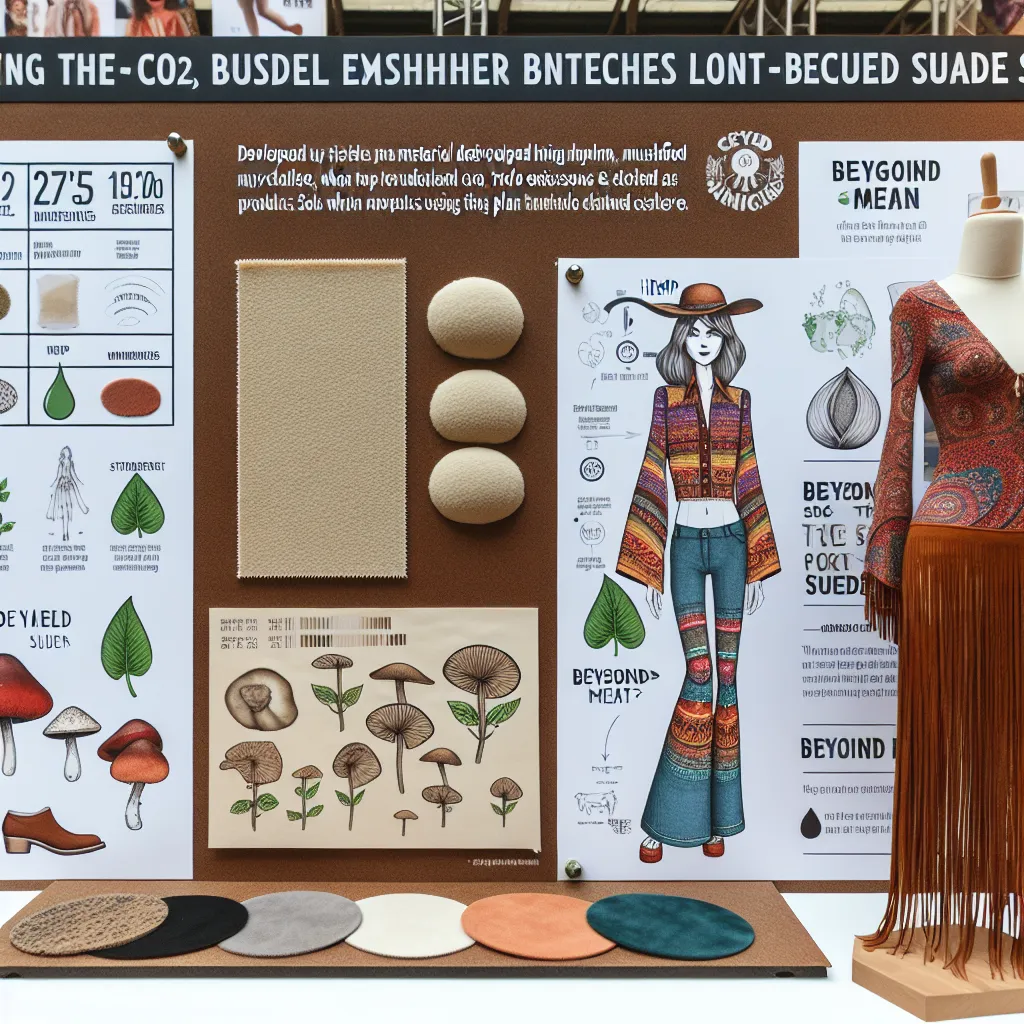
Consumers love the texture and style of suede — especially with the return of ‘70s-inspired boho chic. But traditional suede (animal-based or synthetic) has major sustainability issues, including toxic tanning, water usage, and microplastic shedding. This startup creates plant-based suede alternatives using regenerative crops like hemp, mushroom mycelium, or food waste cellulose. It matches the texture and look of suede but is biodegradable and cruelty-free. With 2025’s trend pointing to a spike in boho and fringe-heavy fashion, this material offers a timely swap for designers who want eco-credibility without sacrificing style. For example, a mid-sized fashion label could replace all its suede skirts with the startup’s material — reducing CO₂ output while marketing the switch as both ethical and trend-forward. It’s like the “Beyond Meat” of textiles: same look, radically better footprint.
Description
No additional description provided.
The Pitch
With the ongoing evolution in fashion trends and rising environmental consciousness, the fashion industry is revisiting materials that define style and sustainability. One such material is suede, traditionally sought after for its texture and chic appeal. However, the sustainability concerns surrounding animal-based and synthetic suede—such as toxic tanning processes, excessive water usage, and microplastic pollution—spotlight the need for an eco-friendly alternative. Enter plant-based suede made from regenerative crops like hemp, mushroom mycelium, and food waste cellulose, offering a biodegradable and cruelty-free solution that retains the beloved texture and style of traditional suede.
**Backstory**
The resurgence of ‘70s-inspired boho chic styles has revitalized the demand for suede, especially with its prominent use in fringe-heavy fashion items. However, as consumers and designers become more environmentally conscious, the adverse impacts of conventional suede can no longer be ignored. This has opened up a niche market for sustainable textile innovations that align with both fashion trends and eco-friendly practices.
**Problem**
The traditional suede industry is fraught with environmental challenges:
1. Toxic Tanning: Conventional tanning processes involve harsh chemicals that are harmful to both the environment and workers. 2. Water Usage: The production of animal-based suede requires significant water resources, contributing to water scarcity issues. 3. Microplastic Shedding: Synthetic suede, often made from petroleum-based fibers, sheds microplastics that harm aquatic ecosystems.
**Solution**
The development of plant-based suede alternatives using regenerative agriculture presents a viable solution. By utilizing materials such as:
- Hemp: Renowned for its fast growth and minimal need for pesticides and water. - Mushroom Mycelium: Offering rapid renewability and minimal environmental impact. - Food Waste Cellulose: Providing a novel way to recycle food waste into high-quality textiles.
This alternative mimics the texture and appearance of traditional suede, while being entirely biodegradable and cruelty-free.
**Product Details**
The plant-based suede product offers:
- Texture and Style: Maintains the luxurious feel and appearance of genuine suede. - Sustainability: Produced using renewable resources and eco-friendly processes. - Versatility: Suitable for various fashion items, including skirts, jackets, and accessories. - Customization: Available in a range of colors and finishes to meet designer preferences.
**Tools for Launching the MVP**
To facilitate the launch of a Minimum Viable Product (MVP), consider these tools and strategies:
1. Material Sourcing: Partner with suppliers specializing in hemp, mycelium, and cellulose processing. 2. Prototyping: Utilize 3D printing and digital design platforms to create and test fabric samples. 3. Eco-Certifications: Obtain relevant certifications to affirm the product's environmental benefits. 4. Collaborations: Engage with fashion designers and labels for pilot collaborations on exclusive collections.
**Go-to-Market (GTM) Strategy**
1. Target Audience: Focus on eco-conscious fashion brands and emerging designers seeking sustainable textiles. 2. Branding and Storytelling: Highlight the environmental benefits and style fidelity compared to traditional suede. 3. Influencer Partnerships: Collaborate with sustainability influencers and fashion icons to showcase the material’s applications. 4. Industry Events: Present the product at fashion and sustainability expos to network with industry leaders.
**Business Model**
The business model could entail:
1. B2B Partnerships: Supplying material directly to fashion brands and manufacturers. 2. Licensing: Allowing other manufacturers to produce the material under license. 3. Direct Sales: Offering custom orders through an online platform for bespoke fashion lines.
In conclusion, as the demand for sustainable fashion solutions grows, plant-based suede emerges as a timely and relevant innovation. By aligning with environmental principles and ahead of the 2025 boho trend, this material can redefine fashion paradigms—delivering style without compromise.