Eco-Friendly Packaging for Drone Deliveries
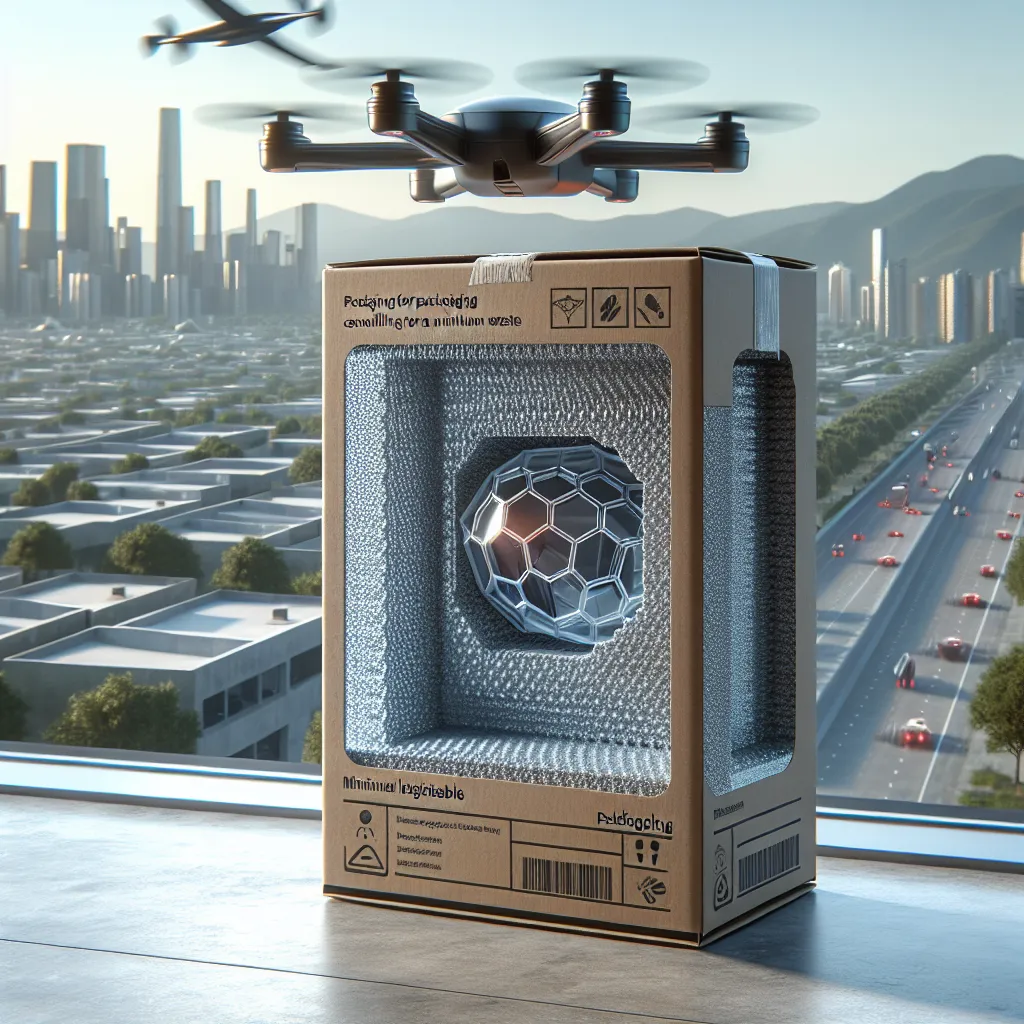
Most consumer packaging is still designed for long-haul trucking, not short-range drone delivery, leading to unnecessary weight, padding, and waste. As drone logistics expands, there’s a need for entirely new packaging that’s lightweight, durable, and optimized for quick aerial drops. A company focusing on drone-specific packaging could drastically cut costs and environmental impact for e-commerce businesses. For example, shipping a small electronic device across town could use a super-light biodegradable shell that protects from shock without bulky foam or cardboard, making drone flights faster and more energy-efficient.
Description
No additional description provided.
The Pitch
As e-commerce continues to grow at an unprecedented pace, logistics and delivery systems are evolving to meet new demands. Traditional long-haul trucking and last-mile delivery are now being supplemented by advanced technologies, specifically drone delivery. However, one critical aspect has remained stagnant — packaging. Most packaging solutions today are optimized for ground transportation, resulting in inefficiencies when adapted for drone delivery systems. This scenario brings forth an opportunity for innovation, presenting a unique challenge and an inviting business prospect.
The Problem: Inefficient Packaging for Drone Delivery
Most consumer packaging is tailored for long-haul trucking, necessitating robust materials and considerable padding to withstand mechanical handling and transportation over vast distances. This approach, however, translates to unnecessary weight and waste when applied to drone logistics, where every gram matters. Current packaging is not only environmentally taxing but also economically inefficient, hampering the speed and cost-effectiveness of drone deliveries.
The Solution: Drone-Optimized Packaging
To truly leverage the potential of drone logistics, there is a need for packaging that is lightweight, durable, and specifically designed for aerial delivery. Envision a solution that drastically cuts down on weight and bulk, without compromising on protection. Super-light biodegradable shells could replace the foam and cardboard used today, utilizing materials that provide shock absorption and protection against the elements. This change would make drone deliveries faster and significantly more energy-efficient, reducing both delivery times and carbon footprints.
Product Details
- Lightweight Materials: Utilize advanced materials like biodegradable composites and durable biodegradable plastics, reducing overall package weight. - Shock-Absorption Technology: Utilize innovative design techniques to provide protective cushioning integrating air pockets or gel inserts. - Sustainability: Implement biodegradable and recyclable materials at the core of the product design, adhering to eco-friendly standards. - Customization: Offer customizable designs for various product types, ensuring secure delivery regardless of product shape or size.
Tools for Easy MVP Launch
- Prototyping Software: Use tools like AutoCAD or SolidWorks to design and simulate packaging models. - Material Testing Partnerships: Collaborate with material science labs to test and validate biodegradable materials. - 3D Printing: Leverage 3D printing for rapid prototyping and iterations. - Collaboration Platforms: Use platforms such as Slack and Trello for team communication and project management during development phases.
Go-to-Market Strategy (GTM)
- Target Early Adopters: Focus on tech-savvy e-commerce companies and environmentally conscious brands ready to innovate with drone delivery. - Industry Partnerships: Partner with drone delivery companies and logistics providers to integrate packaging solutions into their delivery systems. - Pilot Programs: Conduct testing pilots with select businesses to demonstrate efficacy and benefits. - Awareness Campaigns: Create marketing campaigns highlighting the environmental and economic advantages of drone-optimized packaging.
Business Model
- Direct Sales: Sell packaging solutions directly to e-commerce and logistics companies. - Subscription Model: Offer ongoing packaging solutions on a subscription basis, providing continuous access to optimized materials and designs. - Licensing & Partnerships: License the technology and designs to packaging manufacturers or partner with logistics providers for increased market reach.
Conclusion: The Future of Packaging with Drone Logistics
As drone delivery systems become more commonplace, the need for innovative packaging solutions tailored to their unique requirements grows. By focusing on lightweight, sustainable, and drone-optimized designs, companies have the opportunity to not only improve delivery efficiency and cost-effectiveness but also significantly contribute to environmental sustainability in logistics. This new approach promises to redefine packaging for the future of e-commerce and drone logistics, offering a competitive edge to businesses willing to embrace this transformation.