Eco-Friendly Music Streaming: Track and Reduce Emissions
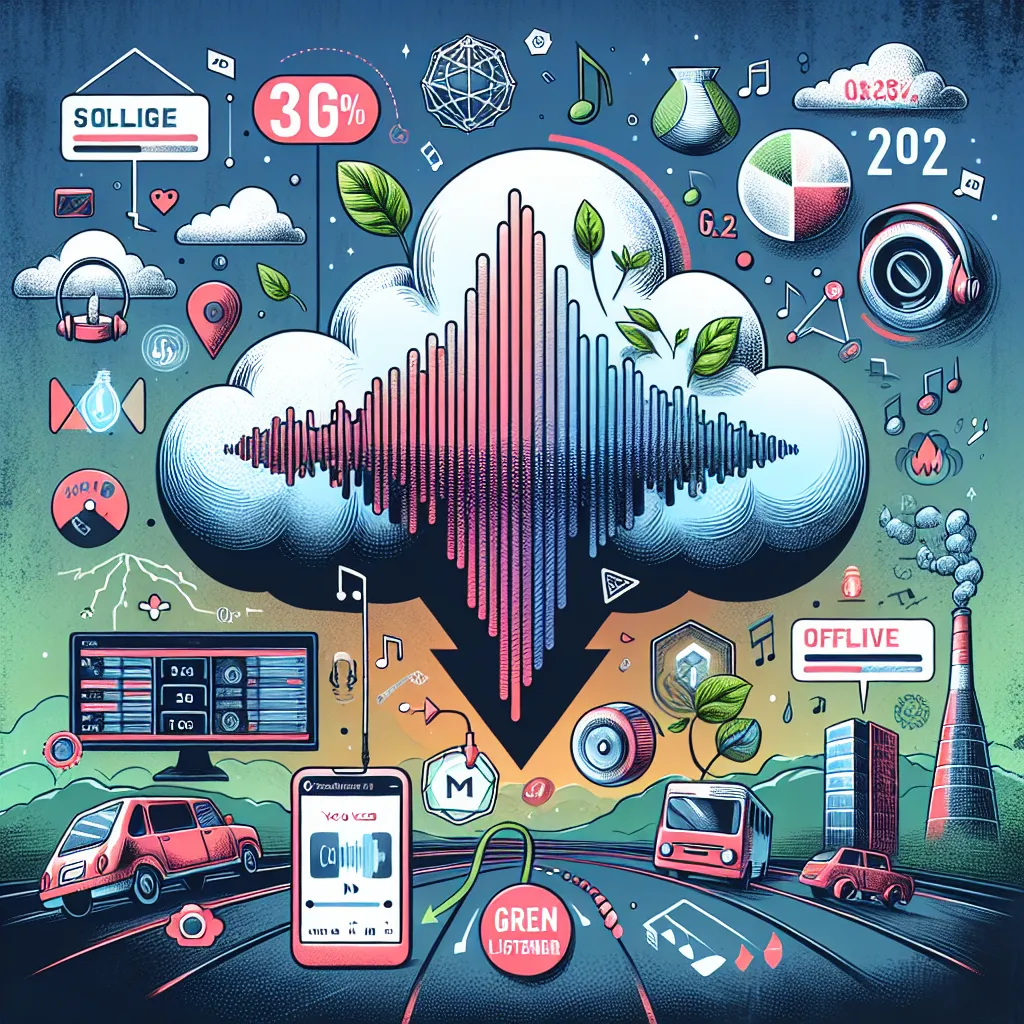
Music streaming has a hidden footprint: data centers, repeated plays, video integrations—all quietly emitting CO₂. Most fans are unaware their listening habits carry climate costs. The problem: there’s no way to know or reduce your music-related emissions. The solution is a carbon-aware streaming overlay or plugin that tracks real-time listening emissions and offers reduction tips—e.g., lowering bitrate, listening offline, or bundling downloads. It’s like a Fitbit for your listening impact. The trend: climate-conscious behavior is on the rise, and consumers want easy ways to align entertainment with sustainability. Imagine a fan streaming a 3-hour road trip playlist and getting a report: “You used 0.6 kg CO₂—down 30% from last week thanks to offline plays.” Add in a “Green Listener” badge or leaderboard, and suddenly sustainability becomes a social, gamified habit. It’s not just awareness—it’s action, one song at a time.
Description
No additional description provided.
The Pitch
In recent years, there’s been a growing awareness of the environmental impacts of digital activities, including music streaming. While music streaming services have revolutionized how we access and enjoy music, they come with an often overlooked carbon footprint. Data centers processing millions of streams a day, video integrations with music platforms, and repeated playbacks all contribute to CO₂ emissions. Unfortunately, most music fans remain unaware that their listening habits have an environmental cost.
Problem: Currently, there is no transparent way for consumers to understand or minimize the carbon emissions associated with their music listening habits. As a result, eco-conscious listeners who wish to reduce their carbon footprint find themselves without the necessary tools or information to make more sustainable listening choices.
Solution: Introducing a carbon-aware streaming overlay or plugin designed to track real-time carbon emissions from music streaming activities. This tool would provide listeners with valuable insights and actionable tips on how to reduce their emissions. Suggestions could include actions like lowering the bitrate, listening offline, or bundling downloads to reduce repeated streams. Think of it as a Fitbit for assessing and reducing your carbon footprint through music consumption.
Product Details: The core product will be a plugin that seamlessly integrates with popular music streaming platforms. It will feature a user-friendly interface that tracks and displays real-time carbon emissions associated with a user’s listening activities. Additional features include:
1. Real-Time Tracking: Provides instant feedback on the CO₂ emissions for each song or playlist played. 2. Emission Reduction Tips: Personalized suggestions tailored to the user’s listening habits to help reduce their carbon footprint. 3. Gamification: Introduces elements like a “Green Listener” badge or leaderboard to encourage users to adopt more sustainable practices through friendly competition. 4. Detailed Reports: Offers weekly summaries illustrating the user’s progress and carbon savings compared to previous periods.
Tools for Easy MVP Launch: 1. Development Framework: Utilize cross-platform development tools such as Flutter or React Native for quick integration across multiple streaming services. 2. Data Integration: Partner with music streaming platforms’ APIs to gain access to necessary playback data. 3. Carbon Calculation: Collaborate with environmental organizations to ensure accurate and reliable carbon emission calculations. 4. Feedback Mechanisms: Incorporate user feedback through embedded surveys to iterate and improve the product efficiently.
Go-to-Market Strategy: 1. Partnerships: Form alliances with music streaming services to integrate the plugin directly into their platforms. 2. Influencer Collaborations: Work with eco-conscious musicians and influencers to promote the plugin and raise awareness of its benefits. 3. Social Media Campaigns: Use platforms like Instagram, TikTok, and Twitter to broadcast educational content about music streaming emissions and the importance of sustainability. 4. Launch Events: Organize virtual events to engage with early adopters and industry leaders, highlighting the product's unique features and mission.
Business Model: The carbon-aware streaming overlay can adopt a freemium model. The basic plugin with essential tracking and tips can be free, while a premium version offers advanced analytics, more detailed reporting, and exclusive badges or rewards. Additionally, partnerships with music streaming services can generate revenue through integration fees and shared premium subscriptions. Sustainability-conscious brands may also seek sponsorships, adding another potential revenue stream.