Eco-Friendly Disposable Vapes
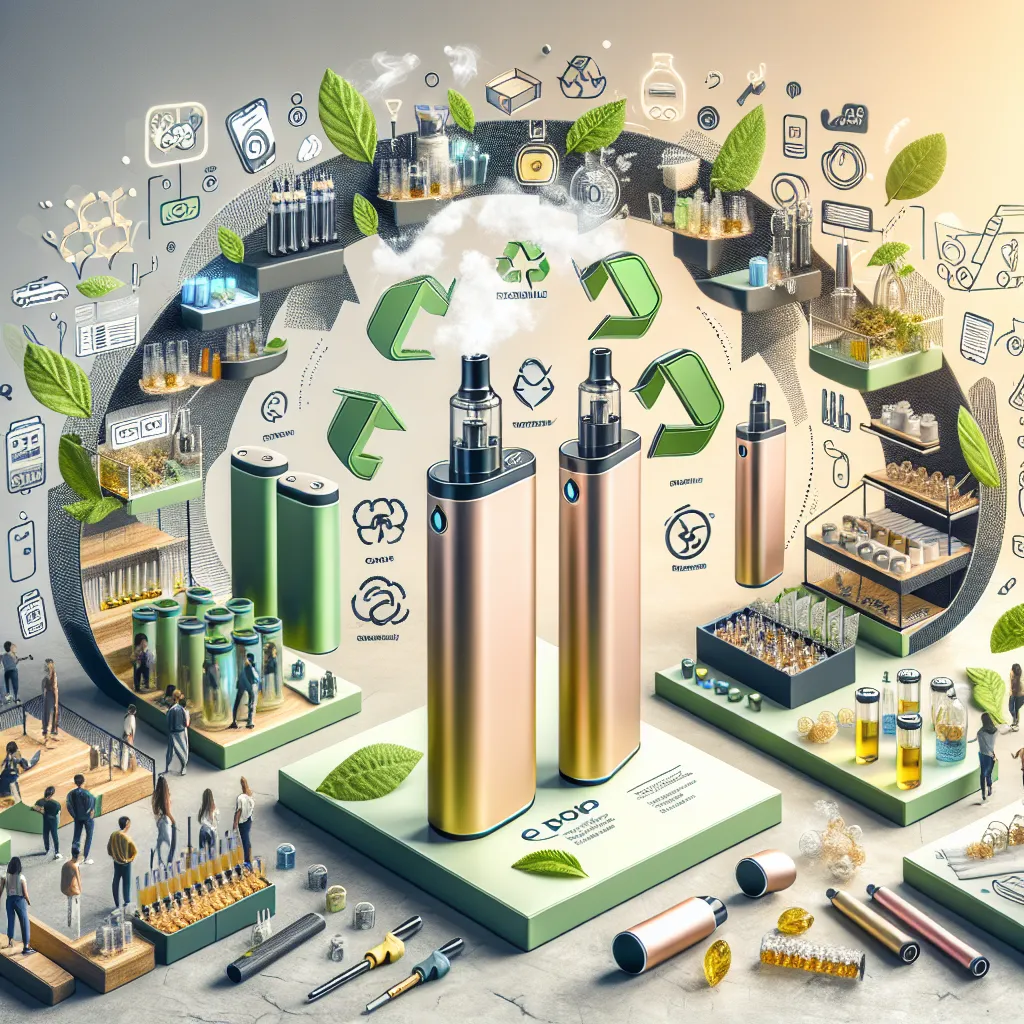
Description
Eco-friendly disposable vapes that address environmental and regulatory concerns by using recyclable materials, replaceable pods, and rechargeable batteries. The product would target eco-conscious consumers, young adults, and vape enthusiasts, offering a sustainable alternative to traditional disposables. The go-to-market plan includes partnering with sustainable retailers, building a strong e-commerce presence, and launching digital marketing campaigns focused on the device's environmental benefits. By prioritizing sustainability and securing regulatory compliance, the startup aims to position itself as a leader in the next generation of disposable vapes while meeting growing consumer demand for eco-friendly products.
The Pitch
Disposable vapes with a strong emphasis on sustainability. These eco-friendly vapes would address growing regulatory concerns and environmental issues associated with traditional disposable vapes, which contribute significantly to plastic waste and electronic waste due to non-recyclable components and single-use batteries. By developing a product that incorporates recyclable materials and sustainable practices, this concept aims to appeal to environmentally conscious consumers while meeting potential regulatory demands.
Key Features:
Recyclable Materials: The vape casing and internal components would be made from biodegradable or recyclable materials, such as bioplastics or aluminum, reducing the environmental footprint.
Replaceable/Recyclable Pods: Instead of fully disposable units, the device could feature replaceable e-liquid pods and battery modules that can be easily recycled, minimizing waste.
Rechargeable Battery: Incorporate a small, rechargeable battery that extends the device's life beyond single use, significantly reducing the need for frequent disposal.
Minimalistic Design: The device would have a sleek, minimalistic design that emphasizes simplicity and functionality, reducing unnecessary materials and focusing on essential components.
Sustainable Packaging: Packaging would be made from recycled paper or other eco-friendly materials, avoiding plastics and unnecessary waste.
Recycling Program: Partner with retail outlets to establish a return and recycling program where consumers can return used vapes or pods for proper disposal or recycling.
Target Audience:
Eco-Conscious Consumers: Individuals who prioritize sustainability and are looking for environmentally friendly alternatives to traditional products.
Young Adults: Tech-savvy, environmentally aware young adults who are early adopters of new technologies and trends.
Regulatory Bodies: Position the product as compliant with anticipated regulations focused on reducing e-waste and plastic waste, potentially influencing policymakers.
Vape Enthusiasts: Existing vapers who want to reduce their environmental impact without sacrificing the convenience of disposable vapes.
Go-To-Market (GTM) Plan 1. Product Development:
R&D and Prototyping: Develop prototypes using sustainable materials and rechargeable batteries. Conduct testing to ensure the device maintains performance while being eco-friendly. Regulatory Compliance: Work closely with environmental and health regulatory bodies to ensure the product meets or exceeds upcoming regulations on vaping products and e-waste. Manufacturing Partnerships: Partner with manufacturers experienced in sustainable production methods and those who can source eco-friendly materials at scale.
2. Branding and Positioning:
Brand Identity: Develop a brand that strongly communicates sustainability, innovation, and responsibility. The brand should resonate with consumers who value eco-friendly products.
Product Positioning: Position the device as a premium yet affordable eco-friendly alternative to traditional disposable vapes, emphasizing its environmental benefits and quality.
Key Messaging: Highlight the product's sustainability features, such as recyclable materials, rechargeable batteries, and the recycling program, in all marketing efforts.
3. Distribution Strategy:
Retail Partnerships: Collaborate with environmentally focused retailers, vape shops, and major outlets like Whole Foods or similar chains known for sustainability to reach eco-conscious consumers.
Online Sales: Build a robust e-commerce platform where consumers can purchase the product directly. Offer a subscription service for replaceable pods to drive recurring revenue and consumer loyalty.
Partnership with Recycling Programs: Work with recycling companies or create an in-house program to manage the return and recycling of used vapes and pods.
4. Marketing and Awareness:
Digital Marketing: Utilize social media platforms and eco-focused influencers to raise awareness about the environmental benefits of the product. Leverage video content that showcases the product's features and its positive impact on the environment.
PR and Media Coverage: Launch PR campaigns to gain media attention in environmental, tech, and lifestyle publications. Position the product as a breakthrough in sustainable vaping technology.
Sustainability Certifications: Obtain certifications from recognized environmental organizations to bolster credibility and attract environmentally conscious consumers.
5. Customer Support and Engagement:
Eco-Education Campaigns: Educate consumers on the environmental impact of traditional disposables and how the new product offers a better alternative. Provide tips on proper recycling and the benefits of using sustainable materials.
Customer Feedback and Iteration: Continuously gather feedback from users to improve the product. Implement suggestions that enhance sustainability or usability to maintain consumer trust and satisfaction.
6. Scaling and Expansion:
Market Expansion: After gaining traction in the U.S., explore international markets with strong environmental regulations, such as the EU, Canada, and Australia. Tailor the product and marketing strategy to fit local regulations and consumer preferences.
Product Line Expansion: Consider expanding the product line to include other sustainable vaping products, such as fully biodegradable vape pens or refillable systems that eliminate the need for disposable components.
Partnership with Environmental NGOs: Collaborate with environmental organizations to promote the product and align with sustainability campaigns, enhancing brand credibility and social responsibility.
Financial Projections: Initial Investment: Estimated $5-8 million for product development, regulatory compliance, and initial marketing efforts.
Revenue Streams: Sales of the device, replaceable pods, subscription services, and potentially selling recyclable materials recovered through the recycling program.
Break-Even Point: Expected within 12-18 months, depending on market acceptance and regulatory changes.
Profit Margins: Sustainable materials might have higher costs initially, but long-term margins could improve with scaling and consumer adoption.
Potential Risks and Mitigations: Regulatory Delays: Stay proactive with regulatory changes and maintain close communication with legal advisors to avoid delays in product launch.
Higher Production Costs: Source materials efficiently and optimize manufacturing processes to keep costs down while maintaining sustainability.
Market Acceptance: Conduct extensive market research and education campaigns to ensure the product meets consumer expectations and demand.
By prioritizing sustainability in both the product and business model, a startup can effectively tap into the growing demand for eco-friendly vaping solutions, positioning itself as a leader in the next generation of disposable vapes.