Eco-Chic Marketplace for Upcycled Furniture
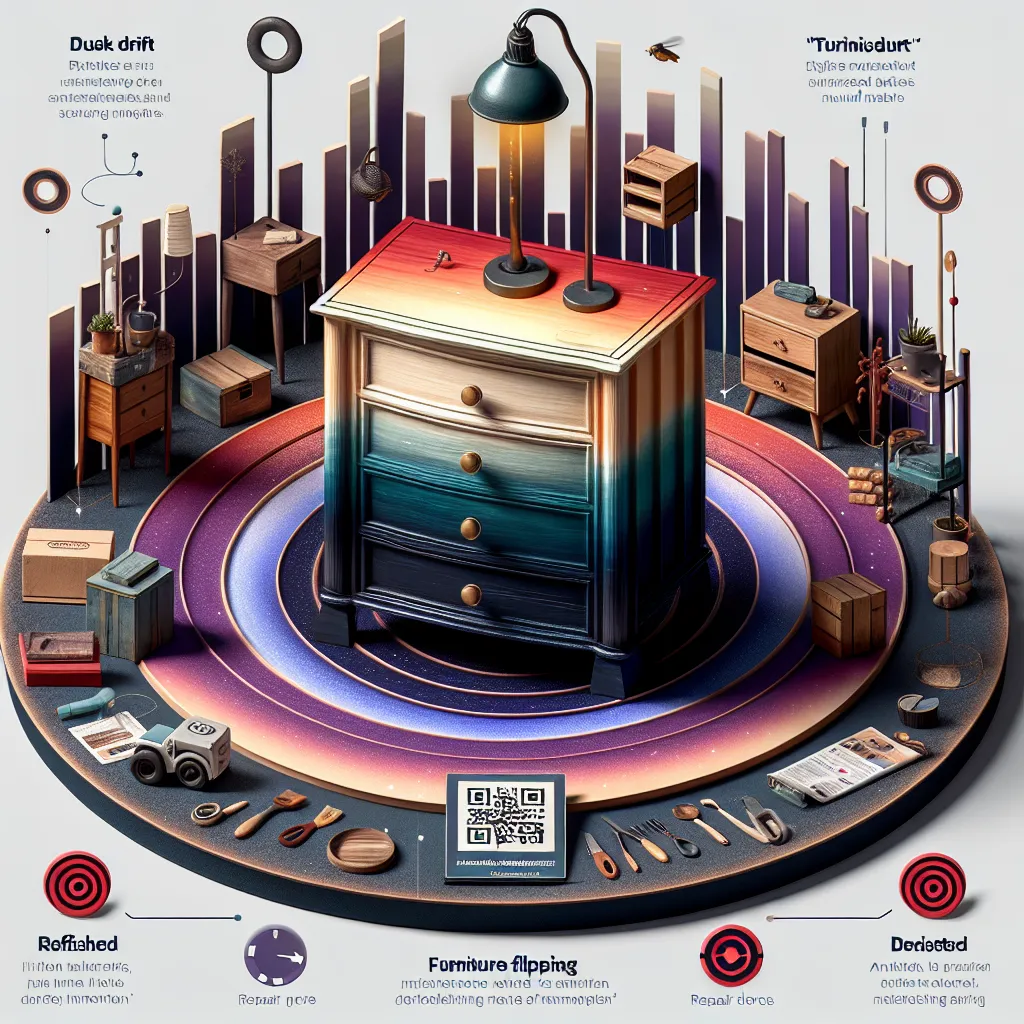
People want the price of IKEA but the ethics and aesthetic of handcrafted furniture. The problem is, these rarely go together. A circular marketplace—think “Depop for Decor”—could offer refurbished, repainted, or AI-upcycled fast furniture, turning throwaways into statement pieces. Pinterest reports “refinished furniture” up 553%, “furniture flipping” up 531%, and “painted furniture ideas” up 373%. Each item could come with a before/after video, QR code for sourcing, and optional repair services. One featured product might be a Target nightstand turned ombre showpiece titled “Dusk Drift.”
Description
No additional description provided.
The Pitch
As consumers become more environmentally aware, there's a growing demand for affordable yet ethically sourced home furnishings. While brands like IKEA offer budget-friendly options, they often fall short in terms of sustainability and unique design. On the other hand, handcrafted furniture provides the desired aesthetics and ethical advantages but comes with a high price tag. Enter a new opportunity: a circular marketplace dedicated to transforming discarded furniture into artistic statement pieces.
The Backstory: In recent years, sustainability has moved from a buzzword to a lifestyle for many individuals. People increasingly value conscious consumption and are looking for ways to reduce their environmental footprint. This shift has spurred a surge in the popularity of upcycling—taking used items and adding value through creative reuse. Platforms for clothing like Depop have capitalized on this trend, but the furniture sector hasn't seen a similar innovation. Until now.
The Problem: The mass-produced furniture market is rife with items that contribute to waste. Consumers are left to choose between inexpensive, unethical options and pricey, handcrafted alternatives. The hassle of sourcing and refurbishing furniture personally can be a barrier for many who lack time or expertise. As a result, perfectly usable items end up discarded.
The Solution: A circular marketplace specifically for home decor and furniture that bridges the gap between affordability and sustainability. This platform will leverage the skills of artisans and the creativity of the community to breathe new life into fast furniture. By offering refurbished, repainted, or AI-upcycled pieces, we not only reduce waste but also inject originality into home interiors.
Product Details: Each upcycled item on the platform will be a unique piece with its own story. Listings will feature transformation videos showcasing the evolution from castaway to centerpiece. QR codes accompanying each purchase will provide transparency regarding sourcing and refurbishment processes. For those interested in DIY, the marketplace could offer curated kits or tutorials on furniture flipping. An optional repair service will also be available to extend the lifespan of the purchased items.
Tools for Launching the MVP: To bring this vision to life quickly and efficiently, several tools can streamline the process:
1. Shopify or WooCommerce for e-commerce solutions. 2. Canva for design and marketing materials. 3. Zapier for automating workflows. 4. Loom for creating before/after videos seamlessly. 5. QR Code Generator for digital sourcing transparency.
Go-To-Market Strategy: Start by engaging and building partnerships with local artists and woodworkers interested in contributing their skills. Launch a pilot in select urban areas with a high density of potential customers committed to sustainability such as San Francisco, Austin, and Portland. Use social media platforms to share transformation stories and engage with an audience passionate about interior design and eco-friendly living. Partner with influencers or bloggers within the niche to establish credibility and reach a broader audience. Consider pop-up shops or events for people to experience the transformation firsthand.
Business Model: The marketplace will operate as a platform, connecting buyers with artisans who transform furniture. Revenue streams may include:
1. Commission from sales. 2. Subscription fees for artisans to list their products. 3. Optional premium services, such as custom-made requests or expedited shipping. 4. Collaboration with brands for co-branded upcycled furniture lines.
Conclusion: This marketplace presents an innovative solution to a pressing issue, offering consumers a way to furnish their homes in style and sustain the planet simultaneously. By combining affordability, ethics, and creativity, it turns the concept of home decor into a sustainable art form. As we move forward, this platform has the potential to revolutionize the way we think about furniture consumption and give new purpose to what once was destined for disposal.