Early Talent Academy for Future AI Innovators
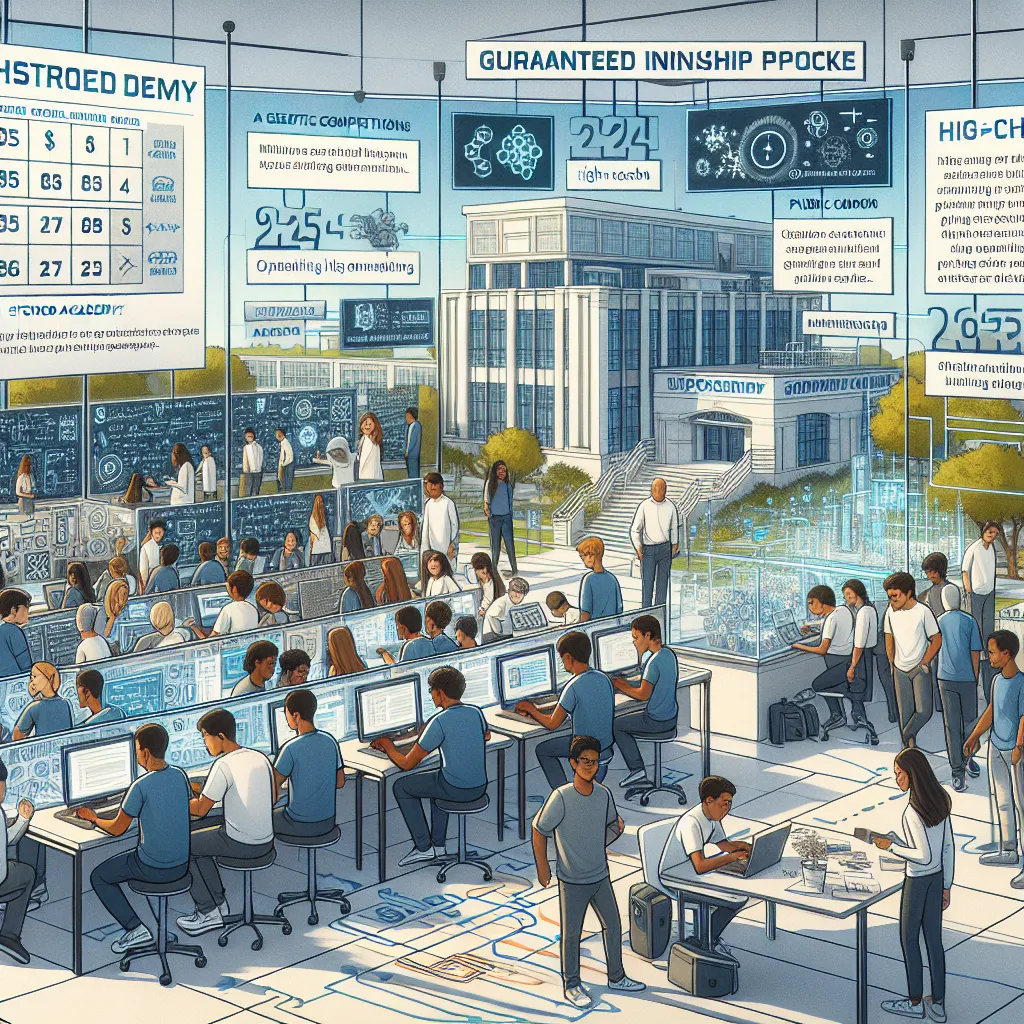
Top tech companies still wait until late college internships to scout engineering talent while youth sports has been identifying 14-year-old stars for decades through travel teams and minor leagues. A sponsored academy could identify promising high schoolers in math, coding, and AI through public competitions, then offer them four years of free elite education, mentorship, and a guaranteed paid internship pipeline at sponsor companies. Meta committed nine-figure signing bonuses for top AI researchers through summer and fall 2025, and Chinese state-run programs that pulled 14-year-olds into intensive math camps now produce the engineers behind frontier labs that keep surprising American competitors. The first version could let three or four AI labs each sponsor 100 high schoolers a year, run a single shared curriculum, and give sponsors first right to hire when those students graduate.
Description
No additional description provided.
The Pitch
In today's rapidly evolving technological landscape, there's a growing recognition that scouting engineering and tech talent should start much earlier than college. While youth sports have long identified young stars through established pathways, the tech industry largely waits until college internships to identify and nurture potential talent. This creates a gap between the discovery of budding talent and the opportunity for these individuals to develop and showcase their skills at a young age.
**The Problem**
The current system delays the identification and nurturing of young tech prodigies until they reach college. By then, many opportunities for early development and specialized training may have been missed. Meanwhile, competing nations have already begun investing in their young talent, pulling them into intensive programs that accelerate their development and position them at the forefront of technological innovation.
**The Solution**
To bridge this gap, there is a need to build a sponsored academy that identifies promising high school students in fields like math, coding, and AI through public competitions. This academy would provide a comprehensive program offering four years of elite education, mentorship, and a guaranteed pipeline to paid internships at sponsor companies. Not only would this accelerate the development of young talent, but it would also align with corporate interests by securing early access to future tech leaders.
**Product Details**
The inaugural version of the academy could allow three or four AI labs to sponsor 100 high school students each year. The selected students would undergo a shared curriculum designed in collaboration with sponsor companies and industry experts. Throughout their high school education, these students would receive mentorship from industry leaders and gain early exposure to real-world challenges through hands-on projects and competitions. Upon graduation, sponsoring companies would have the first right to hire these well-prepared young professionals.
**Tools for Launching an MVP**
1. **Learning Management Systems (LMS)**: Implement a robust LMS to deliver the curriculum, track progress, and facilitate student-teacher interaction. 2. **Collaboration Platforms**: Use platforms like Slack or Microsoft Teams to foster communication and teamwork among students and mentors. 3. **Competitions Platform**: Develop an online platform to host public competitions, enabling easy participation and evaluation of young talent. 4. **Virtual Mentorship Tools**: Utilize platforms such as Zoom or Google Meet to facilitate regular mentorship sessions.
**Go-To-Market Strategy**
1. **Partnerships with AI Labs and Tech Companies**: Collaborate with leading AI labs and tech firms to secure sponsorship and expert curriculum development. 2. **Engage Educational Institutions**: Work with high schools to identify and encourage talented students to participate in the program. 3. **Public Competitions**: Organize nationwide contests to generate buzz and identify high potential students. 4. **Branding and Awareness**: Build a strong brand identity through targeted marketing campaigns highlighting success stories and the benefits of early talent identification.
**Business Model**
The academy would operate on a sponsorship-based model. AI labs and tech companies would sponsor students, which would cover their education, mentorship programs, and administrative costs. In return, companies would gain first right to hire these trained individuals, ensuring a steady pipeline of young, highly skilled talent. Additionally, the prestige of participating in the program would enhance the sponsor's brand reputation and contribute to corporate social responsibility goals.
---
This approach reimagines how tech talent is identified and nurtured, drawing inspiration from the tried-and-true methods of youth sports programs, and adapting them to meet the specific needs of the technology industry.