Early Detection of Brain Aging Risks
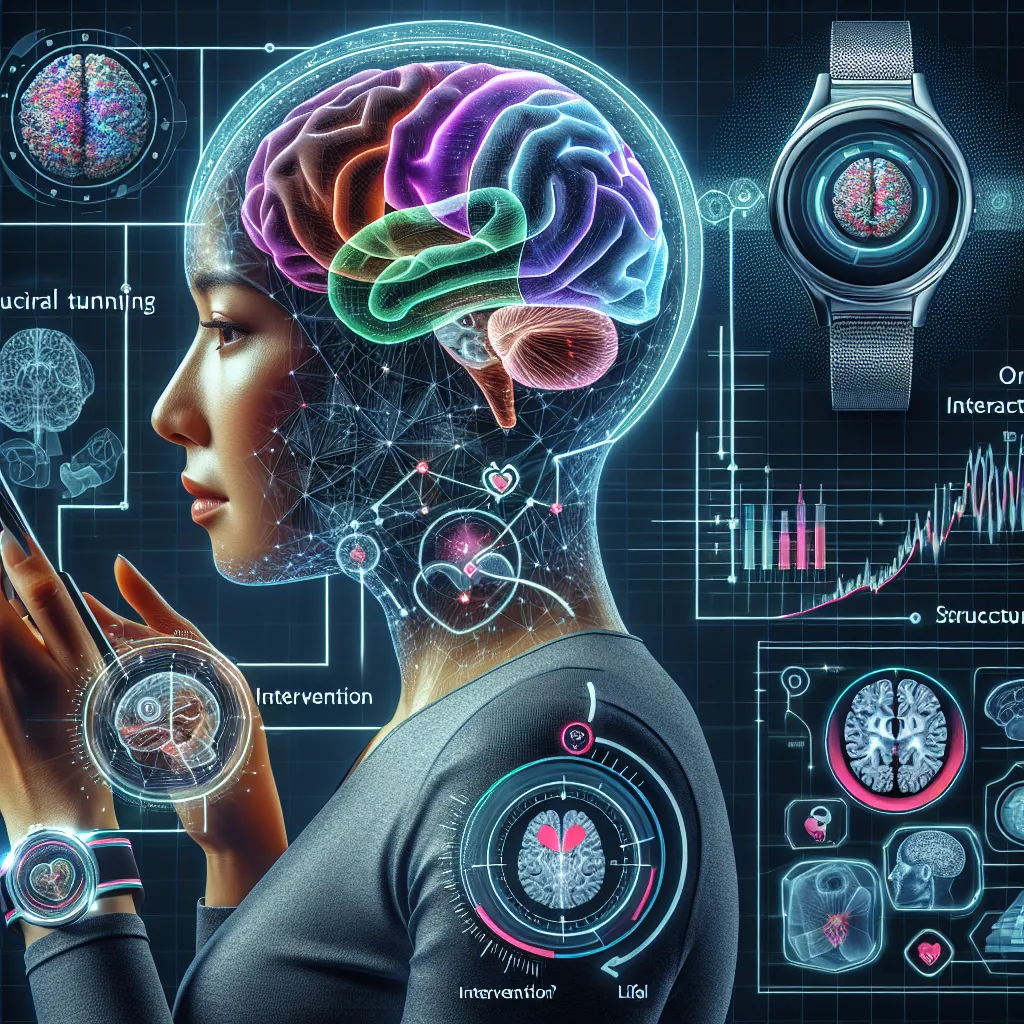
Most people don’t realize the brain doesn’t age in a straight line. It goes through structural turning points, and when those wiring shifts go off-track, it predicts cognitive decline years before symptoms appear. Today, we only detect brain aging once someone is already slipping. A startup could build consumer-facing “brain age mapping” using cognitive testing, wearables, and imaging when available, to compare someone’s network organization to what’s normal for their life stage. It would become the first early-warning system for cognitive risk. This was impossible a decade ago, but diagnostics and neuroimaging are moving from hospitals into regular healthcare. Example: a 55-year-old learns her brain has entered a risk phase five years early and gets a personalized intervention plan to reverse it before decline starts.
Description
No additional description provided.
The Pitch
Advancements in neuroscience and cognitive technology have dramatically shifted our understanding of brain health. Traditionally, detecting cognitive decline has relied heavily on observable symptoms, often appearing too late for effective intervention. However, recent research suggests that cognitive decline can be predicted years before symptoms manifest. The brain, unlike other organs, does not age linearly. It experiences structural turning points, with wiring shifts that, if detected early, can indicate potential cognitive risks. Today, diagnostics and imaging technologies are gradually making their way from specialized hospitals into everyday healthcare settings, paving the way for innovative solutions to this pressing issue.
Problem Statement:
Current methods for detecting cognitive decline are reactionary rather than preventative. By the time most individuals receive a diagnosis, significant and potentially irreversible changes may have already occurred. There is a clear need for a proactive approach that can identify risks well before observable symptoms appear, allowing for timely intervention and prevention of further cognitive decline.
Proposed Solution:
The solution is a comprehensive brain age mapping service aimed at consumers. This service will leverage cognitive testing, wearables, and advanced imaging techniques to assess an individual's neural network organization against normative data for their specific life stage. By identifying when a person's brain diverges from expected aging patterns, it offers an early-warning system for cognitive risks, allowing for personalized intervention plans.
Product Details:
1. Cognitive Testing: - Utilize scientifically validated cognitive tests to assess various brain functions. - Regular assessments to monitor changes over time.
2. Wearables: - Partner with leading wearable tech companies to track daily activities and cognitive markers. - Gather real-time data on physical activity, sleep patterns, and other relevant cognitive indicators.
3. Neuroimaging: - Collaborate with mobile MRI and CT scan providers for comprehensive brain imaging when necessary. - Use AI to analyze imaging data, providing insights into structural and functional brain changes.
4. Personalized Reports: - Offer detailed reports that outline an individual's brain age, potential risk factors, and personalized intervention strategies. - Recommendations could include lifestyle changes, cognitive exercises, and when necessary, referrals to healthcare professionals.
Tools for MVP Launch:
1. Software Development Kits (SDKs) for wearables to integrate data seamlessly. 2. AI and machine learning algorithms for data analysis and predictive modeling. 3. Partnerships with cognitive testing platforms for a comprehensive solution. 4. Cloud-based services to store and process data securely.
Go-to-Market Strategy:
1. Initial Target Market: - Focus on middle-aged adults who are health-conscious and proactive about their wellness.
2. Partnerships: - Collaborate with health tech companies, insurance providers, and wellness centers. - Seek partnerships with employers for employee wellness programs.
3. Marketing Campaign: - Launch digital marketing campaigns highlighting the importance of early cognitive health detection. - Utilize testimonials and success stories to build trust and credibility.
4. Pilot Programs: - Initiate pilot programs with healthcare institutions to validate the approach and build case studies.
Business Model:
1. Subscription Service: - Offer a tiered subscription model providing access to regular cognitive testing and reports.
2. One-Time Assessments: - Provide one-time comprehensive assessments for users seeking a baseline evaluation.
3. Data Licensing: - License anonymized data insights to research institutions working on cognitive health.
4. Corporate Wellness Programs: - Sell bulk service access to companies focused on employee wellness.
By bringing attention to brain health and utilizing cutting-edge technology, this startup can offer an unprecedented service that shifts the focus from reactive treatment to proactive prevention, ultimately enhancing individuals' quality of life while reducing the long-term healthcare burden associated with cognitive decline.