Dynamic Websites Evolving with User Intent
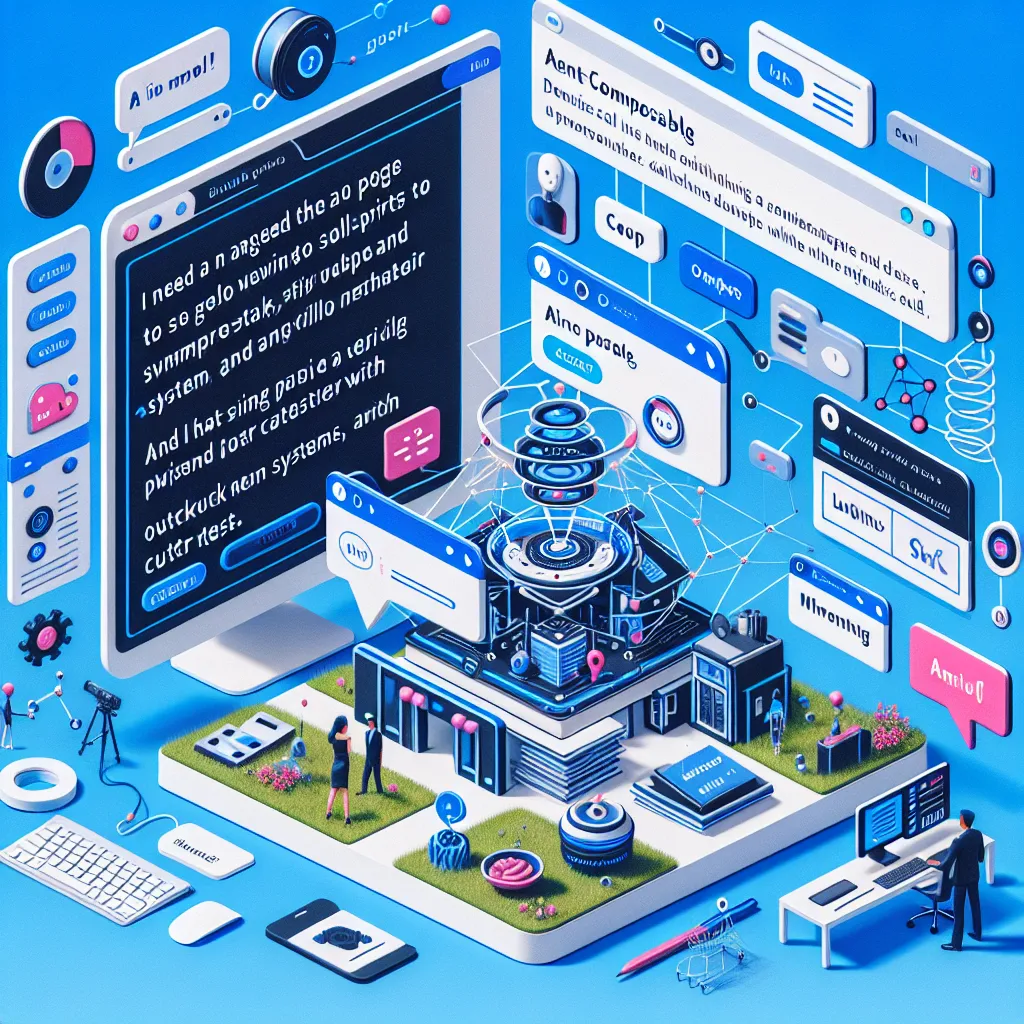
The problem with today’s websites is that they’re static snapshots of what a founder once imagined a customer wanted. You design, launch, and hope it works. But in the future, the web will be alive. Agent-Composable Micro-Sites are on-demand websites that build and evolve themselves in response to intent. Say, “I need a page to sell 50 prints this week,” and the system designs the layout, writes the copy, builds checkout, and tests variations. It’s like Shopify and Webflow had a baby that runs on GPTs. Why now? Because language models can finally understand goals, not just inputs. The next wave of entrepreneurs won’t “build websites” — they’ll describe outcomes, and agents will handle the rest.
Description
No additional description provided.
The Pitch
In an ever-evolving digital landscape, the challenge for modern entrepreneurs and businesses is keeping their online presence as dynamic and responsive as their market demands. Traditional websites represent a static approach from an era where interaction was simply an afterthought. Today’s users expect more—they want experiences tailored to their immediate needs, preferences, and contexts. Enter the era of Agent-Composable Micro-Sites, a transformative advancement set to redefine website creation and management.
**Backstory**
For years, entrepreneurs and businesses have relied on static websites as digital storefronts, designed with fixed objectives in mind and often taking significant time to iterate. This static nature does not cater to the fluidity required by marketing teams, sales goals, or customer engagement strategies. Even advanced platforms like Shopify and Webflow, while offering more flexibility, still demand users to have a clear vision and technical expertise to create and refine their storefronts effectively.
**The Problem**
The primary issue lies in the traditional model of web design and deployment, where websites are constructed in isolation from real-time user intent and behavior. This model assumes that if a design works today, it will remain relevant tomorrow. However, static designs can quickly become obsolete, failing to engage customers, align with new business goals, or optimize sales campaigns effectively. The gap between desired business outcomes and the static nature of current web solutions has been a persistent hindrance to business growth and customer satisfaction.
**The Solution**
Enter Agent-Composable Micro-Sites—a new breed of web technology designed to evolve in real-time according to user intent and business objectives. By utilizing advanced language models, these micro-sites understand more than just the inputs provided; they grasp the overarching goals businesses aim to achieve. This means a business owner can simply articulate an outcome such as, I need a page to sell 50 prints this week, and the intelligent system will automatically generate a layout, write persuasive copy, configure checkout systems, and conduct A/B tests to optimize performance.
**Product Details**
1. **Dynamic Generation:** Micro-sites are generated on-the-fly based on specified objectives, utilizing inputs from advanced language models to customize design and functionality.
2. **Automated Optimization:** The system continuously tests and iterates different page designs and content to maximize user engagement and conversion rates.
3. **Goal-Oriented Functionality:** Unlike traditional CMS platforms, micro-sites revolve around achieving specific business outcomes, aligning every aspect of the design and user experience with these goals.
4. **Scalable Infrastructure:** Built to handle varying levels of traffic and user interaction, these solutions can cater to businesses of any size, scaling their operations seamlessly.
**Tools for Easy Launch of MVP**
To launch a minimum viable product, several tools can simplify and accelerate the development process:
- **No-Code/Low-Code Platforms:** Utilize platforms like Bubble or Adalo to create initial prototypes without extensive coding. - **AI and ML APIs:** Harness APIs from GPT-3/4 to integrate language processing and autonomous content generation capabilities. - **Cloud Services:** Deploy using services like AWS or Heroku for scalable and reliable web hosting. - **A/B Testing Tools:** Incorporate Optimizely or Google Optimize to enable robust testing and iteration.
**GTM Strategy**
1. **Target Early Adopters:** Engage with tech-savvy entrepreneurs and small businesses who are open to innovative solutions. 2. **Leverage Case Studies:** Demonstrating successful implementations with diverse businesses can build credibility and interest. 3. **Partnerships:** Collaborate with digital agencies and web development firms that can introduce the solution to their clientele. 4. **Thought Leadership:** Host webinars, publish whitepapers, and create content that educates the market on the benefits and future of dynamic web experiences.
**Business Model**
The business model revolves around a subscription-based service offering tiered packages. This could range from a basic plan tailored for individual entrepreneurs to enterprise solutions for larger corporations. Additional revenue streams could include premium services such as personalized consultation, exclusive integrations, and analytics packages.
By capitalizing on the potential of Agent-Composable Micro-Sites, businesses can transform how they interact with the digital world, ensuring their web presence is as dynamic, responsive, and effective as their business aspirations. This next wave in web technology is not just about building websites—it's about fostering meaningful interactions and achieving tangible outcomes in a digital age.