Dynamic, User-Owned Social Network Revolution
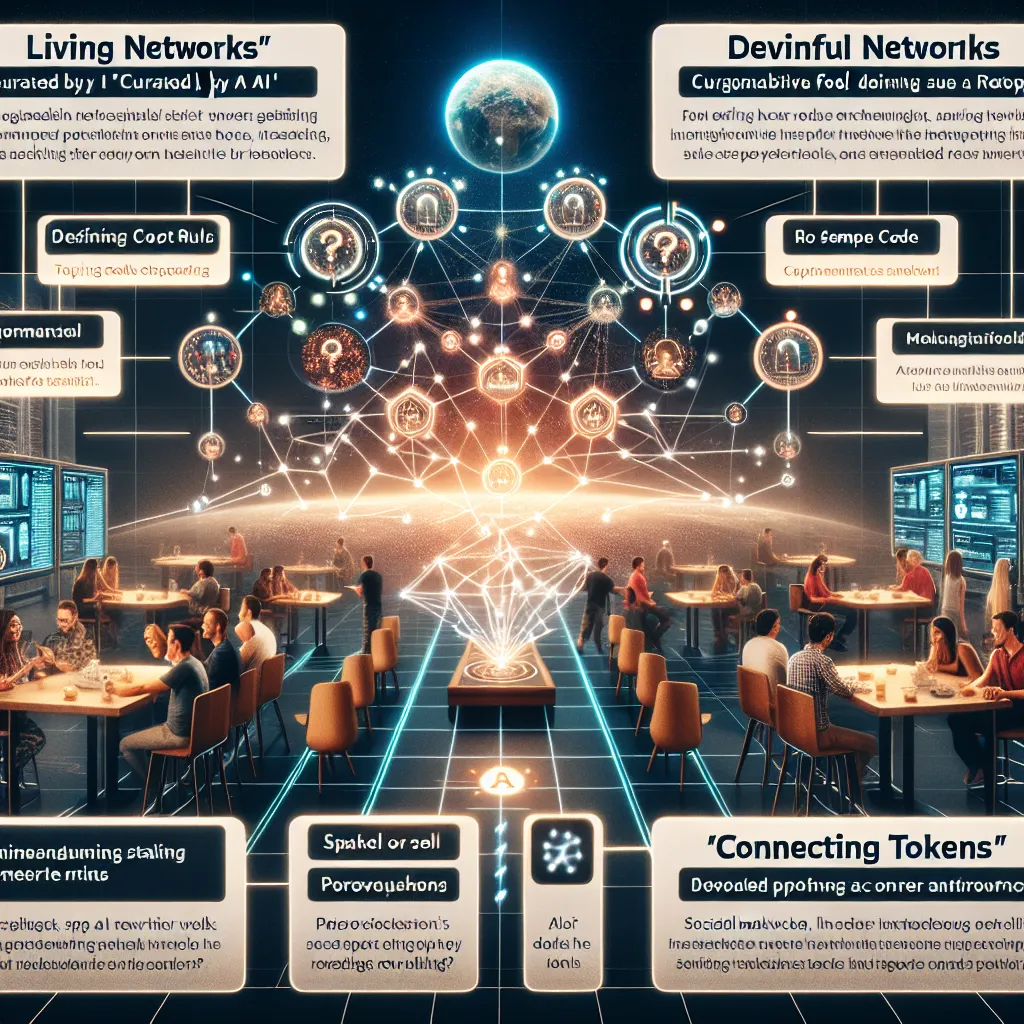
Social networks today are static and shallow—follows, likes, and algorithms you don’t control. This startup set out to change that by building a decentralized, programmable social platform where relationships become dynamic, AI-curated “living networks.” Unlike Warpcast’s dev-heavy tools or Friend.tech’s clout focus, users here define custom rules—like “boost posts from people I’ve met in person”—using simple code or AI prompts. Feeds evolve with behavior, and every meaningful interaction is logged on-chain as a tradable “connection token.” Hosted on a peer-to-peer network, users earn by sparking real engagement—hosting events, starting conversations—and can stake or sell their tokens in a SocialFi marketplace. It’s the social web, reimagined: dynamic, personalized, and owned by users.
Description
No additional description provided.
The Pitch
In an era where social networks are increasingly perceived as static and superficial, with interactions largely driven by algorithms that users cannot control, the need for a more dynamic and user-centered solution becomes evident. Current platforms primarily focus on metrics such as follows and likes, which often fail to capture the depth and evolution of real human relationships. This startup aims to redefine the social networking experience by developing a decentralized, programmable social platform where users' relationships transform into dynamic, AI-curated living networks.
Backstory: As digital interactions became ubiquitous, social media evolved into a crucial platform for communication and community building. However, as these networks grew, they became more driven by corporate interests and advertising revenue, often at the expense of genuine user experience and meaningful interactions. This has led to a growing demand for platforms that prioritize user autonomy, authenticity, and personalization in how relationships are formed and maintained online.
Problem: Traditional social networks often lack flexibility and depth, leading to an experience that many users find unsatisfying. These platforms typically rely on algorithmic feeds that users cannot control, fostering interactions that are often shallow and transactional. There is little room for personalization or the ability to evolve connections in a meaningful way. As a result, users miss out on the opportunity for genuine, evolving engagements that reflect their real-world interactions and interests.
Solution: To address these issues, we propose a decentralized, programmable social platform where users can define the nature and evolution of their relationships through custom rules. Unlike other platforms that are heavily focused on complex developer tools or superficial metrics of influence, our platform allows users to easily set rules—such as boosting posts from individuals they have met in person—using either simple coding options or AI-driven prompts. These living networks are capable of adapting over time, reflecting users’ real behaviors and preferences.
Product Details: - Customizable Interaction Rules: Users can create and modify rules to personalize their social feeds, with the option to use a visual interface for easier customization or leverage AI-generated suggestions. - Living Networks: Relationships on the platform are dynamic, constantly evolving based on ongoing interactions and behaviors. - Connection Tokens: Every valuable interaction is recorded on the blockchain as a tradable connection token, facilitating a new form of digital asset associated with user engagement. - Peer-to-Peer Infrastructure: Hosted on a decentralized network, the platform ensures user data control and ownership. - SocialFi Marketplace: Users can engage in a marketplace where they can stake or sell their connection tokens, driving real engagement and value creation.
Tools for Launching as an MVP: To develop and launch a Minimum Viable Product (MVP) efficiently, the following tools and technologies can be utilized: - Blockchain Technology: Utilize platforms like Ethereum or Polkadot for deploying smart contracts that manage connection tokens. - Decentralized Hosting: Leverage peer-to-peer hosting services like IPFS to ensure data decentralization. - AI Language Models: Employ AI tools such as GPT-3 or similar to enable user-friendly AI prompts for interaction rule creation. - Frontend Development Frameworks: Use frameworks like React or Vue.js to build the platform's user interface.
Go-To-Market Strategy: - Target Tech-Savvy User Segments: Initially focus on attracting early adopters who are tech enthusiasts and value decentralization and privacy. - Partnerships with Influencers: Collaborate with social media influencers and thought leaders to generate buzz and drive initial user adoption. - Community Building: Develop a community-driven approach by creating forums and hosting events that encourage user participation and feedback. - Content Marketing: Create engaging content that educates users about the benefits and functionalities of the platform.
Business Model: - Token Transaction Fees: Generate revenue through small transaction fees on the buying, selling, or staking of connection tokens. - Premium Features: Offer advanced customization options or additional AI features as part of a subscription-based model. - Advertising Revenue: Develop advertising opportunities that respect user data and leverage anonymized, consensual data-sharing practices.
Conclusion: This innovative social platform reimagines social networking by prioritizing user autonomy, dynamic relationships, and personalized experiences. By building a decentralized and programmable network that evolves with its users, the platform promises to offer a more meaningful and engaging social media experience that is truly owned by its users.