Dynamic Robotaxi Media Networks
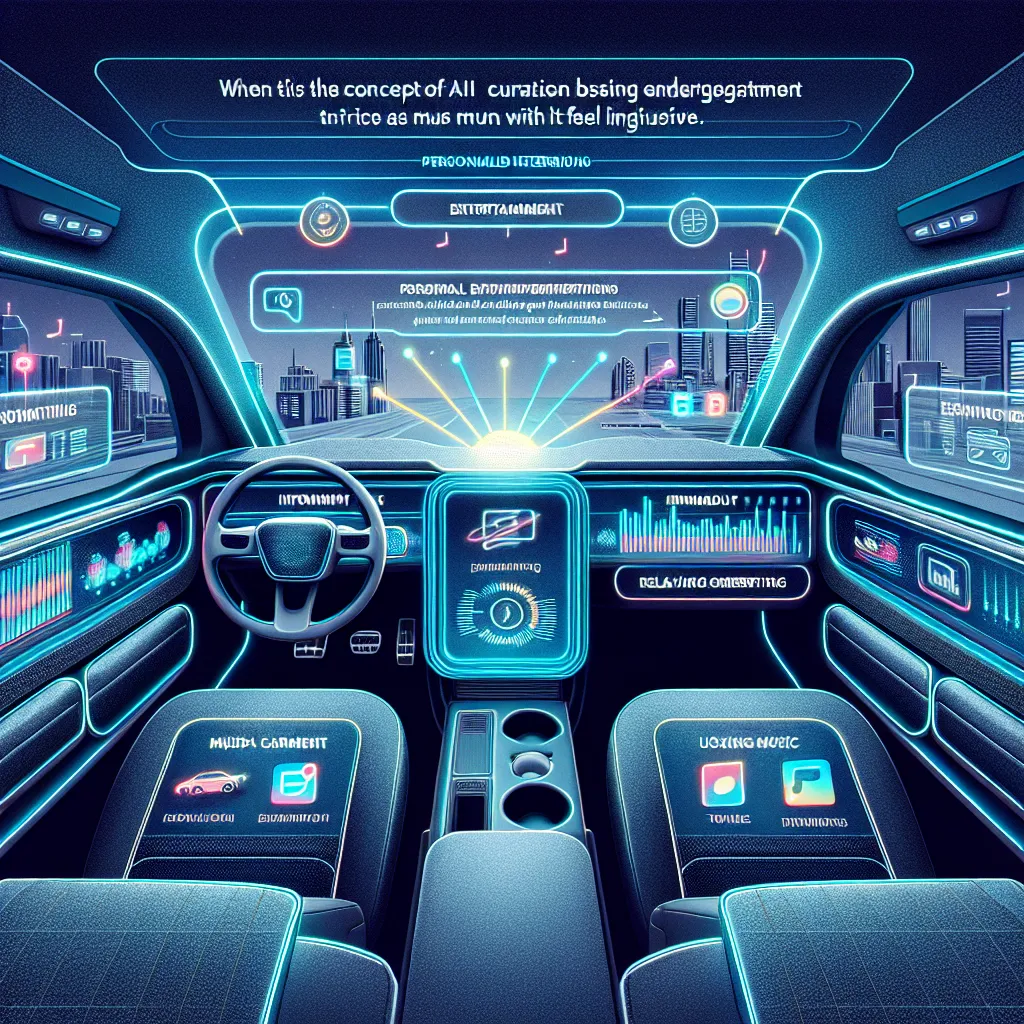
Robotaxis are mobile dead space. Dynamic Media Networks could personalize entertainment and ads in real-time based on passenger mood, location, and time of day — a “TikTok for Rides” constantly curated by generative AI. Why now? Robotaxis are scaling but lack profitable unit economics beyond fares. Example: A 15-minute Waymo ride adapts the media feed: upbeat ads in the morning, news briefs mid-day, calming music after work — dynamically AI-generated for each rider, boosting ad engagement 3x without being intrusive.
Description
No additional description provided.
The Pitch
In the evolving landscape of urban transportation, robotaxis represent a revolutionary shift in how we navigate cities. As autonomous vehicles become more prevalent, a unique opportunity arises to transform these vehicles from mere transport units into dynamic media spaces. This concept leverages advanced technologies to personalize the passenger experience, creating an engaging and profitable ecosystem. Herein, we explore the potential of Dynamic Media Networks within robotaxis, addressing current challenges and proposing a comprehensive approach to capitalize on this opportunity.
**Backstory**
With the advancement of autonomous vehicle technology, companies like Waymo, Cruise, and Tesla are deploying fleets of robotaxis in urban areas. These vehicles promise efficiency, safety, and accessibility. However, to date, the economic model primarily relies on fares. This conventional approach limits the revenue potential and overlooks the intrinsic value of the in-transit passenger experience. As passengers increasingly prioritize connectivity and personalized experiences, the existing model does not fully cater to these needs.
**Problem**
Currently, robotaxis operate with significant untapped potential. The interior of these vehicles is largely considered as 'dead space' during commutes. Passengers often default to their mobile devices for entertainment, leaving a void in immersive, monetizable in-transit experiences. The challenge is to innovate beyond the basic utility function of robotaxis to enhance passenger satisfaction while creating new revenue streams for operators.
**Solution**
Introducing Dynamic Media Networks, a concept designed to transform robotaxi interiors into intelligent media environments. Leveraging real-time data and generative AI, the network can provide passengers with a curated, personalized entertainment and advertising experience. This adaptive system would consider factors like passenger mood, location, and time of day to optimize content delivery, akin to a TikTok for Rides.
**Product Details**
1. **Personalized Content Delivery**: Utilizing AI to analyze passenger preferences, behavior, and environmental context, ensuring that every ride offers unique content experiences.
2. **Adaptive Advertising**: Introducing ad content that aligns with passenger interests and external factors (e.g., upbeat in the morning, news updates at midday, calming music post-work).
3. **Data Privacy and Security**: Ensuring compliance with data protection regulations, offering passengers control over their data and personal preferences.
4. **Seamless Integration**: Developing partnerships with media companies, leveraging APIs to integrate the service into existing platforms, ensuring smooth content streaming and updates.
**Tools for MVP Launch**
- **AI and Machine Learning Platforms** such as TensorFlow or PyTorch for developing the generative AI models that handle content customization. - **APIs and SDKs** for content streaming services like Spotify, YouTube, and news apps to provide a wide range of multimedia options. - **Data Analytics Platforms** for collecting and analyzing customer data, optimizing content and ad delivery. - **Cloud Computing Services** from providers like AWS or Google Cloud to ensure scalability and reliability.
**Go-To-Market Strategy**
1. **Partnerships**: Collaborate with autonomous vehicle companies to integrate the media platform into their fleet systems. 2. **Pilot Programs**: Launch initial test-runs in selected cities to gather user feedback and refine the product. 3. **Marketing Initiatives**: Target digital and social media campaigns at tech-savvy urban residents, highlighting personalized experiences. 4. **Engagement Tactics**: Utilize referral and loyalty programs to encourage repeated usage and word-of-mouth promotion.
**Business Model**
1. **Freemium Model**: Offer a basic level of service with optional premium subscriptions for access to exclusive content and an ad-free experience. 2. **Revenue Sharing**: Establish revenue-sharing agreements with media and advertising partners. 3. **Data Monetization**: Aggregate anonymized passenger data to identify trends and insights for stakeholders, ensuring adherence to privacy laws. 4. **Advertising Fees**: Charge businesses for dynamic ad placements within the network, emphasizing targeted reach and engagement metrics.
By employing this integrative approach, Dynamic Media Networks have the potential to create immersive experiences for passengers while unlocking new revenue pathways for robotaxi operators. Through innovation and strategic implementation, robotaxis can evolve from mere transportation solutions to vibrant, interactive media platforms.