Dynamic Risk-Based Financing for Freight Carriers
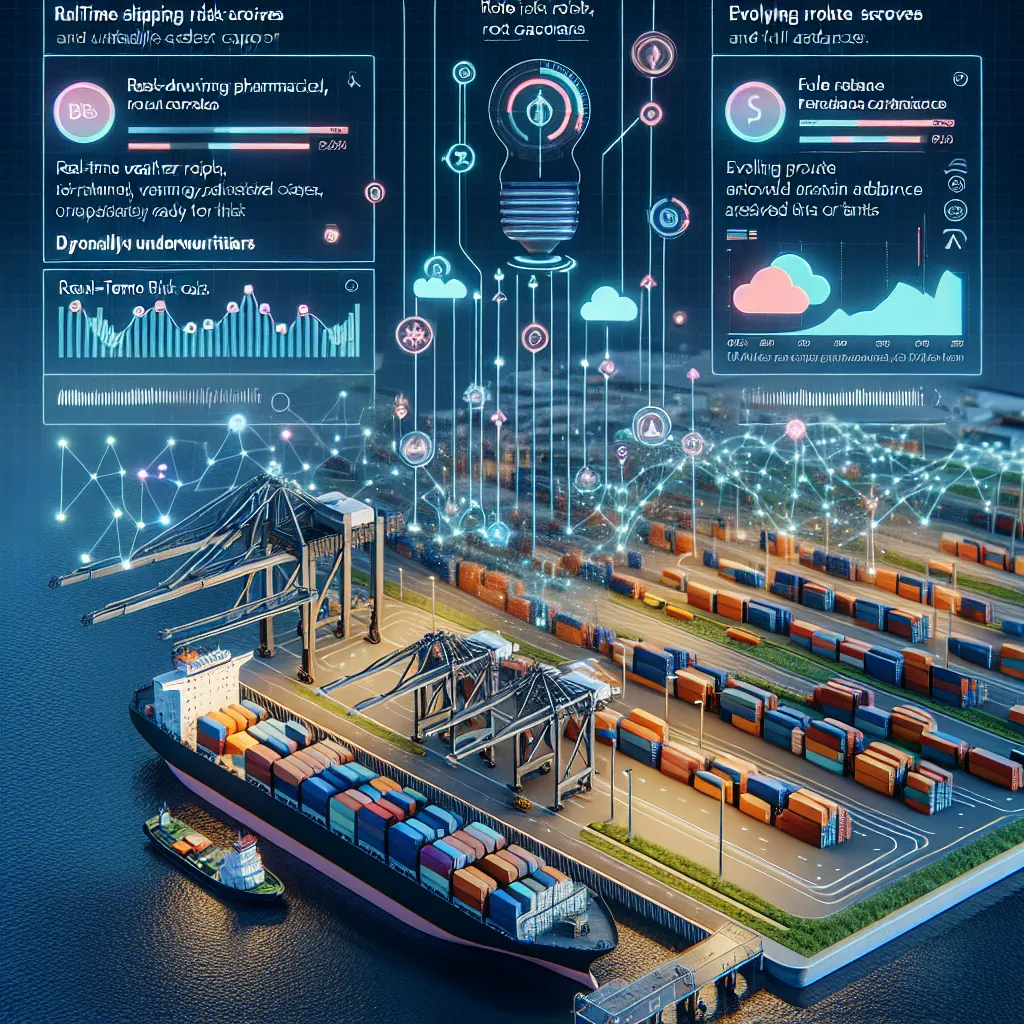
Freight carriers face fluctuating risks—from severe weather to port delays to theft corridors—yet their financing and insurance products are one-size-fits-all. These blunt tools leave small and mid-sized carriers overpaying or undercovered. A trip-aware logistics fintech could dynamically underwrite short-term loans, insurance, and fuel advances based on the real-time context of a shipment—integrating telematics, weather forecasts, route risk scores, and cargo type. AI models could simulate risk-adjusted cost scenarios and automatically adjust capital terms. As logistics digitize and APIs proliferate (e.g. Samsara, Project44), this data is now accessible in real time. A hauler traveling through hurricane-prone areas carrying high-value pharmaceuticals might pay a higher premium—but with immediate access to capital and claims routing. This verticalized, embedded solution lets carriers operate leaner and safer.
Description
No additional description provided.
The Pitch
Logistics and freight transportation are the backbones of global commerce, yet the industry often faces unpredictability and inefficiencies due in large part to standardized financial products that fail to account for the dynamic nature of logistics operations. Traditional financing and insurance options used by freight carriers are often static and inflexible, resulting in small and mid-sized carriers incurring unnecessary costs or finding themselves inadequately covered in situations where tailored solutions would better meet their needs.
Imagine a trip-aware logistics fintech platform that offers context-specific financial solutions, dynamically adjusting to each carrier's unique circumstances. This platform could leverage real-time data to provide tailored short-term loans, custom insurance policies, and fuel advances that account for the complexities of each shipment, such as telematics data, weather patterns, route risks, and the nature of the cargo being transported.
This solution would be powered by sophisticated AI models capable of conducting comprehensive risk assessments in real-time. By simulating various risk-adjusted cost scenarios, the technology could seamlessly adjust capital terms to reflect the current challenges faced by the hauler. The increasing availability of logistics data through advanced APIs (such as those offered by Samsara and Project44) makes this real-time, tailored approach feasible.
For instance, if a hauler carrying high-value pharmaceuticals is traveling through a region known for hurricanes, the automated system would identify this increased risk. Consequently, while the premium might be higher due to the elevated risk, the benefits would include immediate access to capital and streamlined claims processing, ensuring that the carrier can operate with confidence and safety. This kind of embedded financial solution allows carriers to optimize their operations both in cost and in efficiency, thereby maintaining leaner and safer transportation systems.
To bring this innovative solution to market, consider starting with a minimal viable product. This MVP should focus on integrating real-time data feeds and a basic risk assessment model. Tools such as cloud-based AI and machine learning platforms, possibly coupled with analytics tools like Tableau or Power BI for visualization, can be instrumental in developing and refining the initial offering.
In terms of a go-to-market strategy, begin by targeting a niche segment within the logistics industry, such as pharmaceutical transporters or electronics carriers, where the value proposition is immediately apparent. Partner with logistics tech platforms and use their networks to gain access to early adopters who can provide invaluable feedback and case studies. This feedback loop is critical in refining the product and expanding its applicability.
The business model for this logistics fintech solution could involve a subscription-based access fee or a tiered pricing model where fees are linked to the value and risk level of the shipments insured or financed. Collaboration with existing logistics companies and partnerships with insurance agencies could provide additional channels for distribution and scaling the business.
In conclusion, a trip-aware logistics fintech platform has the potential to revolutionize the way freight carriers manage their financial risks by delivering tailor-made financial solutions that are in tune with the dynamic nature of their operations. By leveraging cutting-edge technology and data accessibility, this solution addresses a critical gap in the logistics market, empowering carriers to operate more efficiently and with greater assurance.