Dynamic QR Codes for Evolving Digital Content
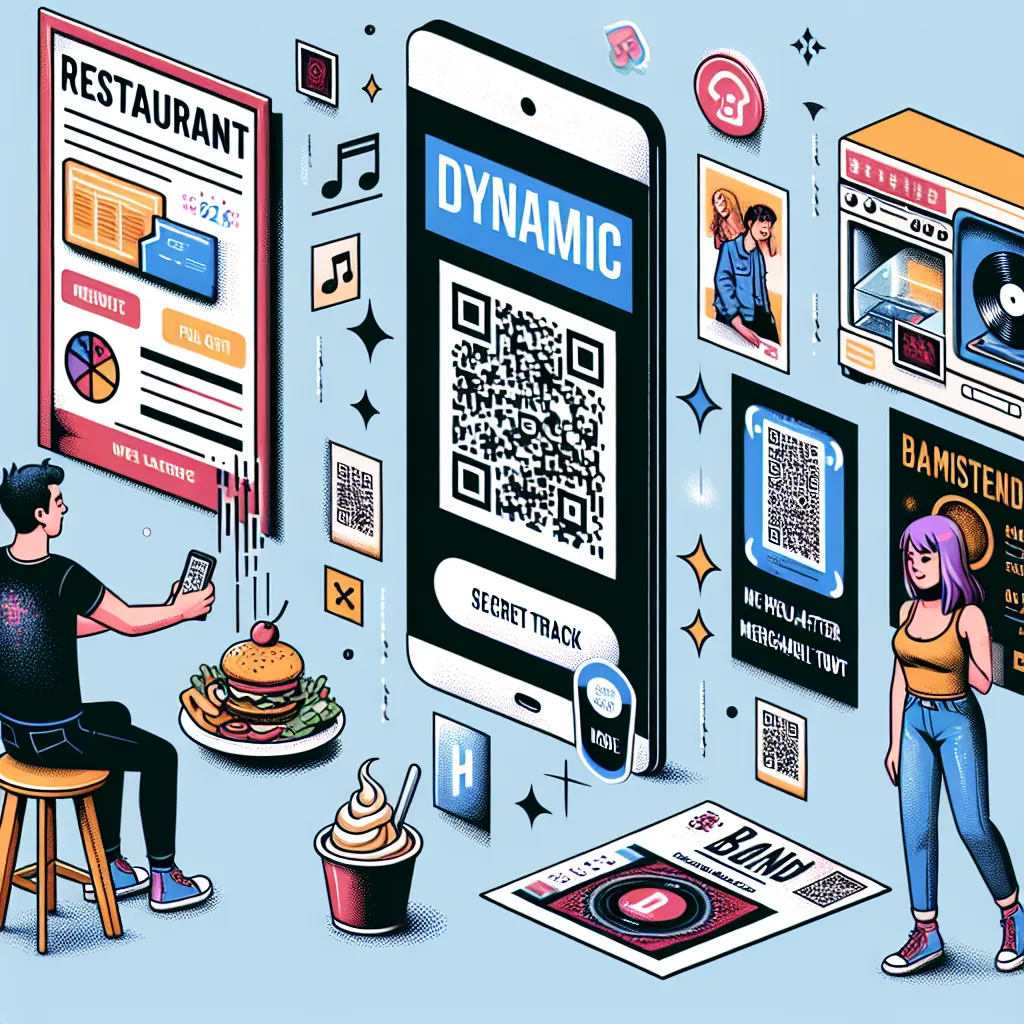
QR codes are everywhere — menus, flyers, events — but once printed, they’re dead links unless reprinted. This idea is a dynamic QR code platform that lets anyone link a physical item to changeable digital content: videos, messages, files, etc. Think “Linktree for your fridge magnet.” The trend: phygital experiences are rising fast (think NFCs, Tap-to-Connect), and Gen Z is scanning like never before. For example, a band prints 1,000 stickers with one QR. After every tour stop, they update the link to a new secret track or merch drop
Description
No additional description provided.
The Pitch
In today's world, QR codes have become ubiquitous. They're on restaurant menus, event flyers, product packaging, and more. However, once these codes are printed, the information they link to becomes static. If the content behind the link needs updating, the QR code has to be reprinted, leading to unnecessary waste and cost.
With the rise of phygital experiences — combining physical and digital interactions — and the increasing tech-savvy nature of younger generations, there's a growing demand for more dynamic and interactive connections between the physical and digital worlds. This is where a dynamic QR code platform can become a game-changer.
**The Problem**
Traditional QR codes are limited by their static nature. Once printed, they are set to a single link unless replaced. This limits their potential for ongoing engagement and requires businesses or individuals to reprint codes for updates, leading to increased expenses and environmental impact.
For example, a band might print 1,000 promotional stickers with a QR code linking to a specific track. If they want to update this link with a new song after a tour stop, they're forced to reprint the stickers. This process results in wasted materials and missed opportunities for engagement.
**The Solution**
The proposed solution is a dynamic QR code platform that enables users to link physical items to changeable digital content. This platform allows for easy updates to the destination link without the need to reprint the QR code itself. Whether it's videos, messages, files, or other content types, users can keep their audience engaged with fresh content seamlessly.
**Product Details**
The dynamic QR code platform functions as a simple and intuitive web-based tool:
1. **User Signup and Dashboard**: Users can sign up and gain access to a personal dashboard where they manage their QR codes.
2. **QR Code Generation**: Users can generate QR codes through a straightforward interface, choosing options like code design and initial link destination.
3. **Dynamic Link Management**: Once a QR code is created, users can update the linked content anytime through the platform, ensuring that the printed QR code never becomes obsolete.
4. **Analytics and Engagement Tracking**: Embedded analytics allow users to monitor scan rates and audience engagement, providing valuable insights for optimization.
5. **Content Library**: Users can store and manage their digital content within the platform for quick updates and consistent branding.
**Tools for MVP Launch**
Launching this platform as a Minimum Viable Product (MVP) would involve leveraging existing technologies to reduce development time and cost:
- **Web Development Frameworks**: Utilize frameworks like React or Angular for the front-end and Node.js or Django for the back-end. - **QR Code Libraries**: Implement libraries such as qrcode or similar for generating QR codes. - **Cloud Services**: Use cloud platforms like AWS or Azure for scalable hosting and storage solutions. - **Analytics**: Incorporate tools like Google Analytics or Mixpanel for user engagement and performance tracking.
**Go-To-Market Strategy**
1. **Target Audience**: Focus on tech-savvy businesses, musicians, event organizers, and marketers who frequently use QR codes for consumer engagement.
2. **Partnerships and Collaborations**: Establish partnerships with printing companies and event platforms to integrate dynamic QR code offerings.
3. **Social Media Campaigns**: Utilize platforms like Instagram, TikTok, and Twitter to reach Gen Z and millennial audiences with engaging content and case studies.
4. **Freemium Model**: Offer a basic version of the platform for free, allowing experimentation and fostering initial adoption while providing premium features for a subscription fee.
**Business Model**
Implement a freemium business model:
- **Free Tier**: Users can create a limited number of QR codes with standard features and basic analytics. - **Premium Tier**: Subscription-based access to advanced features like enhanced analytics, custom code designs, and larger content libraries. - **Enterprise Solutions**: Offer customizable solutions for large organizations with specific needs, providing a tailored pricing structure.
By addressing the limitations of traditional QR codes, this dynamic QR code platform has the potential to tap into the growing demand for versatile, sustainable, and engaging digital experiences.