Dynamic Pricing Revolutionizes Digital Billboard Advertising
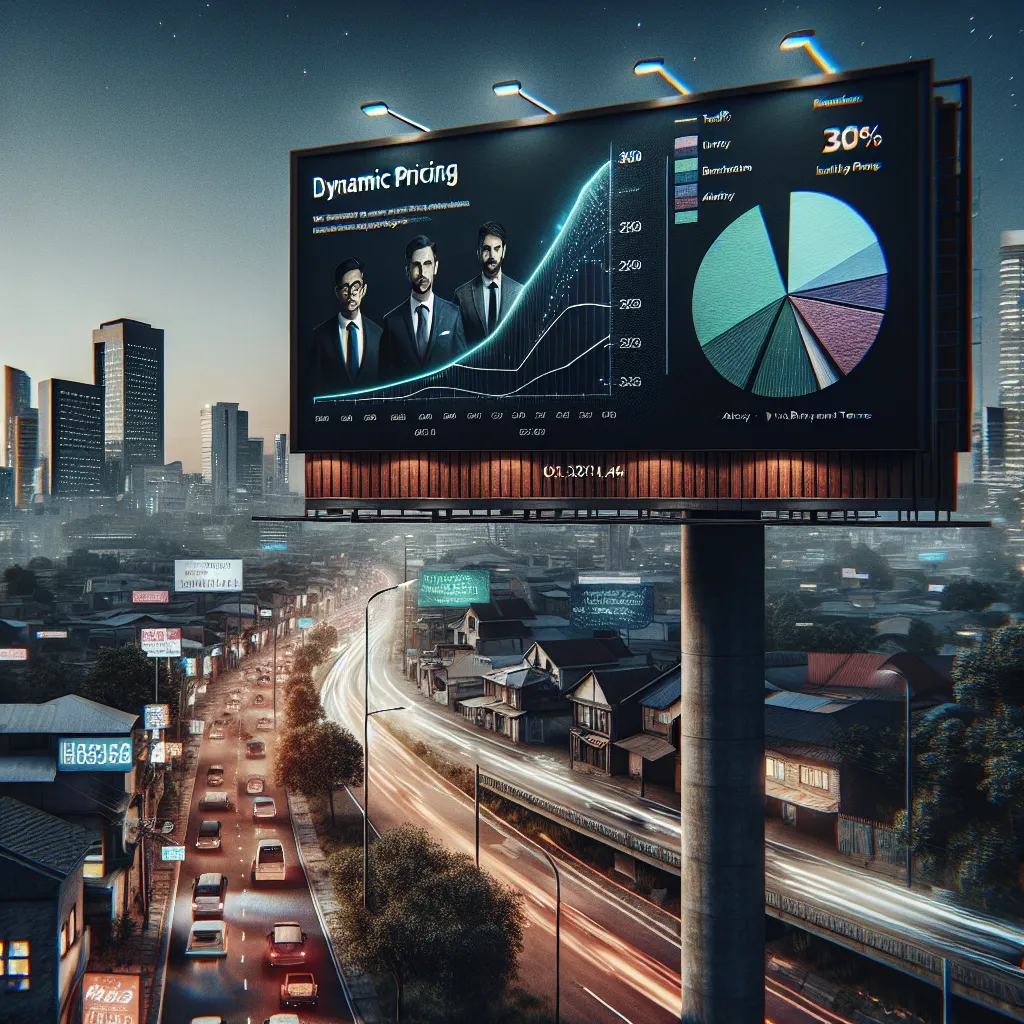
Billboards are priced statically even though traffic, urgency, and audience composition change constantly. This mismatch leaves value on the table for both advertisers and operators. Dynamic pricing and bidding can now exist in physical space, not just online. Why now? Digital billboards, traffic APIs, and real-time payments finally make flexibility possible. Example: a law firm pays more for rush-hour visibility and less overnight on the same board.
Description
No additional description provided.
The Pitch
Traditional billboard advertising has remained largely static in its pricing and utilization strategies, despite the dynamic nature of traffic patterns and audience demographics. This inflexibility leads to a significant loss of potential value for both advertisers and billboard operators. By introducing a dynamic pricing model similar to online advertising, value can be maximized while providing advertisers with more targeted and cost-effective options.
Backstory: The idea stems from the realization that billboard advertising has not evolved alongside technological advancements that enable real-time data access and adaptive pricing models. Unlike digital advertising platforms that utilize automated bidding and real-time audience engagement metrics, billboard advertising generally operates on a fixed pricing model. This approach overlooks fluctuations in audience size and demographics, as well as the varying levels of urgency associated with certain advertisements.
Problem Statement: Static billboard pricing models fail to account for changes in traffic density and composition throughout the day. Consequently, advertisers pay the same price regardless of the audience size or the impact potential during different time slots. This lack of pricing flexibility leads to inefficiencies and reduced returns for both advertisers and billboard operators. Advertisers miss out on the opportunity to precisely target high-traffic periods, while billboard operators lose potential revenue from leveraging peak visibility times.
Solution: Implementing a dynamic pricing and bidding system for billboard advertising can better align cost with the actual reach and impact of advertisements. By integrating digital billboards with traffic data APIs and real-time payment systems, prices can adjust according to the audience size, location, and time of day. This approach mirrors online advertising models, where advertisers bid for impressions based on demand and urgency. For instance, a law firm might pay a premium for visibility during rush hour when potential clients are stuck in traffic, but less during off-peak hours.
Product Details: The proposed system consists of the following components:
1. Direct Digital Billboard Integration - Equip billboards with digital displays capable of receiving real-time pricing and content updates.
2. Traffic and Audience Data APIs - Use APIs to gather real-time data on traffic density and audience demographics pertinent to each billboard location.
3. Dynamic Pricing Algorithm - Develop an algorithm that calculates billboard advertising rates based on current traffic conditions, audience metrics, and advertiser demand.
4. Real-Time Payment Platform - Implement a secure payment system that processes transactions instantly, allowing advertisers to bid for billboard space and adjust their ad spend dynamically.
Tools for MVP Launch:
- Develop partnerships with traffic data providers. - Collaborate with digital billboard operators for initial testing. - Use cloud-based platforms like AWS or Azure for data processing and algorithm deployment. - Leverage existing real-time bidding platforms for online ads as a model for developing MVP functionality.
Go-To-Market Strategy:
- Target companies that frequently adjust advertising budgets based on real-time conditions, such as law firms, retail brands, and automotive dealers. - Initiate pilot programs with billboard operators in metropolitan areas to showcase increased revenue potential. - Utilize industry conferences and digital marketing channels to raise awareness about the innovation and its benefits. - Partner with advertising agencies to integrate this model into clients’ omni-channel marketing strategies.
Business Model:
- Charge a transaction fee based on a percentage of the advertisement spend processed through the platform. - Offer subscription packages to advertisers for advanced analytics and priority access to bidding channels. - Provide revenue-sharing arrangements with billboard operators to incentivize integration and adoption.
By leveraging dynamic pricing, billboard advertising can evolve into a more competitive and profitable medium, aligning closely with the flexible strategies of digital marketing. With modern tools and technologies at hand, launching an MVP in this space is not only viable but positions stakeholders for future growth in an increasingly data-driven world.