Dynamic Mycelium Coatings for Prolonged Freshness
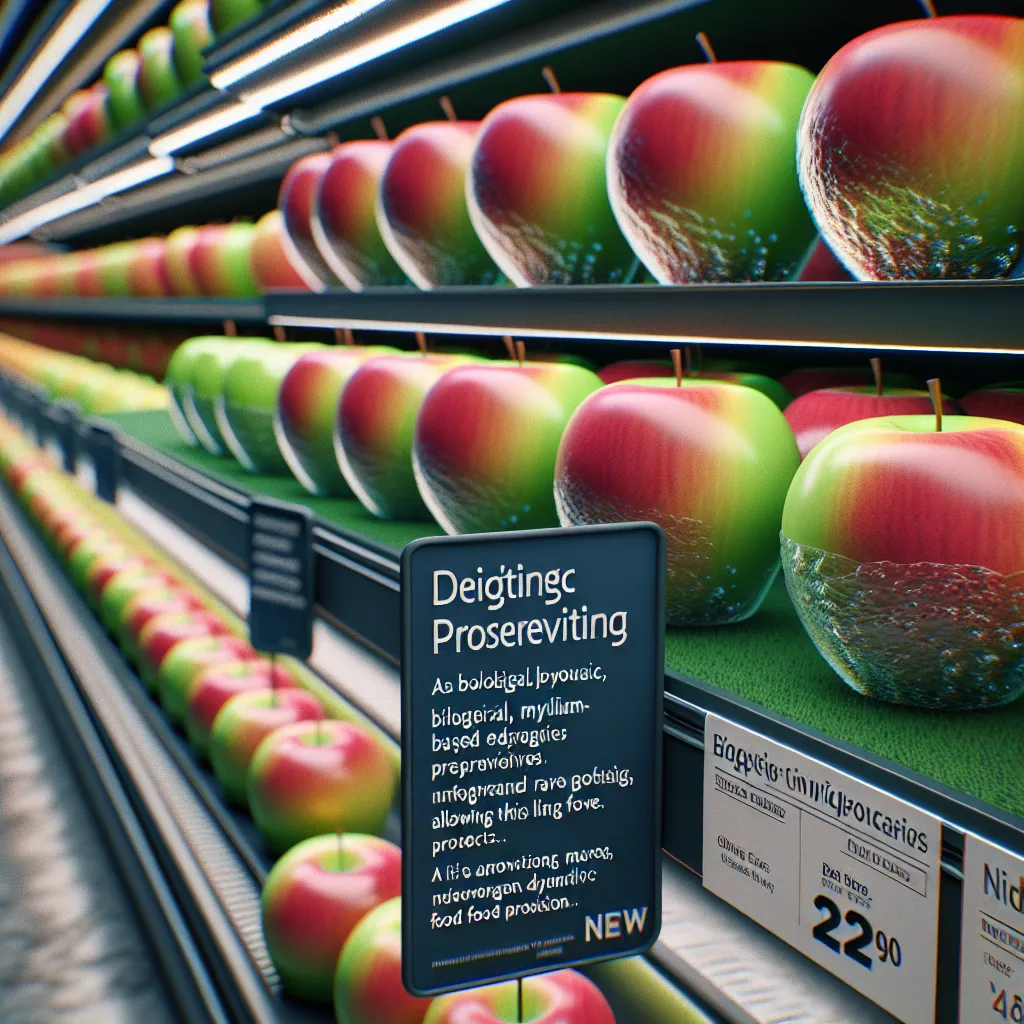
Standard edible food coatings prevent oxidation but are static and limited. The problem is shelf life remains modest, and coatings cannot adapt to changing conditions like ripening or bruising. Imagine an edible, living mycelium-based coating that continuously produces natural preservatives like antimicrobials and antioxidants as the fruit ages. Why now? Advances in mycelium biosynthesis and food-safe biotech allow dynamic, living food protection, and the urgency to reduce food waste has never been higher. Example: A grocery chain sells apples coated in a living edible film that dynamically slows spoilage based on ethylene levels. This living, adaptive coating does not exist commercially and would transform perishables management.
Description
No additional description provided.
The Pitch
In today's fast-paced world, the demand for fresh produce and the need to reduce food waste are at an all-time high. Advances in biotechnology have paved the way for innovative solutions, but many traditional methods have fallen short in adapting to the dynamic conditions that perishable goods encounter. This brings us to a groundbreaking concept that combines nature's intuitive solutions with cutting-edge science.
Backstory: The quest for preserving food has been ongoing for centuries. From ancient drying techniques to modern refrigeration, each innovation has brought its own advantages and limitations. As the global population grows and urbanization intensifies, maintaining the freshness of perishable goods such as fruits has become increasingly important. Traditional edible coatings have been used to prevent oxidation in produce, but their static nature limits their effectiveness. With shelf lives remaining modest and the inability to adapt to ripening or bruising, these coatings fail to address the dynamic nature of produce spoilage.
Problem: The primary issue lies in the non-adaptive characteristics of current food coatings. They offer a temporary barrier against environmental factors but are unable to adjust to the varying conditions that fruits and vegetables experience. The static nature of these coatings results in inadequate protection, leading to significant food waste, especially as fruits ripen and release ethylene, a natural ripening agent.
Solution: The concept of an edible, living mycelium-based coating offers a transformative solution. This living coating is designed to continuously produce natural preservatives such as antimicrobials and antioxidants as the fruit ages. By responding to ethylene levels and other environmental factors, this adaptive coating can effectively slow down spoilage, thereby extending the shelf life of perishable goods.
Product Details: The product is a mycelium-based edible film that forms a living barrier around fruits and vegetables. Key features include:
1. Dynamic Adaptation: The coating reacts to ethylene and other indicators of ripening, adjusting its preservative production accordingly. 2. Natural and Safe: Utilizing mycelium, a fungus network, ensures the coating is organic and food-safe. 3. Versatility: Applicable to various types of produce, ensuring broad market application. 4. Environmentally Friendly: Reduces food waste and eliminates the need for chemical preservatives.
Tools for Launching MVP: 1. Biotech Lab Partnerships: Collaborate with biotech labs experienced in mycelium biosynthesis. 2. Prototyping Kits: Develop small-scale prototypes to test effectiveness on different produce. 3. Testing Facilities: Partner with food safety labs to ensure the coating's safety and regulatory compliance.
Go-To-Market Strategy (GTM): 1. Pilot Programs: Collaborate with grocery chains to run pilot programs where the coated produce can be tested and consumer feedback gathered. 2. Partnerships with Sustainable Brands: Align with brands committed to sustainability to enhance credibility and market presence. 3. Educational Campaigns: Launch campaigns to educate consumers and retailers about the benefits of living coatings.
Business Model: 1. B2B Sales: Target grocery chains, fresh produce distributors, and organic markets as primary customers. 2. Licensing: Consider licensing the technology to other food preservation companies. 3. Subscription Model: Offer a subscription model for consistent supply of the coating materials to retailers and distributors.
In conclusion, the development of a living mycelium-based coating is not only innovative but necessary in addressing the pressing issue of food waste. With the right partnerships and strategies, this concept has the potential to revolutionize the management of perishable goods, leading to fresher produce with extended shelf life, reduced waste, and satisfied consumers.