Dynamic Logistics Platform: Uber for Containers Solution
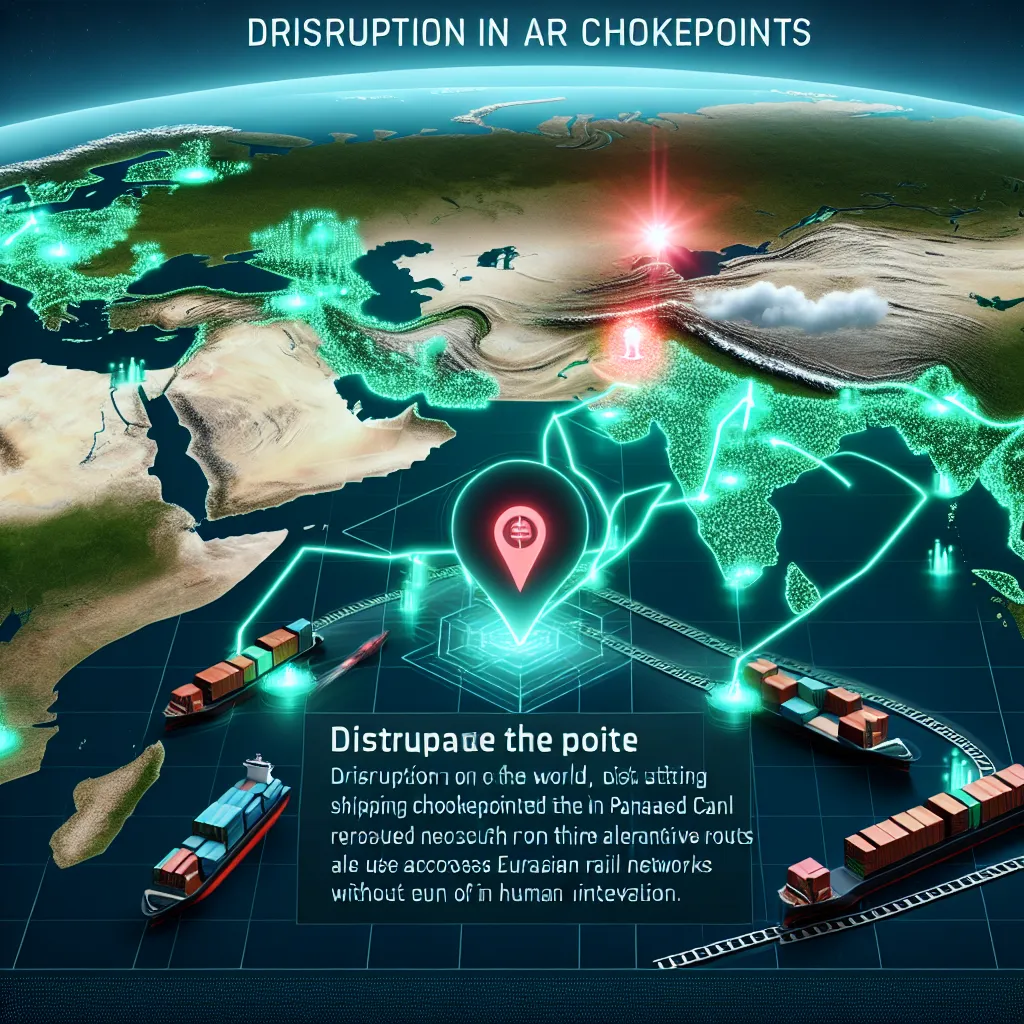
When global shipping chokepoints like the Panama Canal, Suez Canal, or ports in Los Angeles experience disruption, shippers are often left scrambling to reroute. Yet there’s no global, dynamic concierge service that automates the switch to overland rail, trucking, or alternative port routes. A logistics platform could function like “Uber for Containers,” offering real-time dynamic rerouting via rail or truck corridors — whether bypassing the Panama Canal via Mexico or avoiding Suez Canal backups via rail in Europe. As global supply chains become more brittle, instant, automated alternatives are no longer optional. Imagine a future where a container stuck near Singapore could be rerouted across Eurasia’s rail networks seamlessly without human intervention.
Description
No additional description provided.
The Pitch
Global shipping plays an essential role in international trade, but disruptions in major shipping chokepoints like the Panama Canal, Suez Canal, or key ports can cause significant delays and losses. These disruptions leave shippers in a difficult position, often scrambling to find alternative routes to ensure timely delivery of goods. Currently, there is no comprehensive service that seamlessly automates this rerouting process, which can lead to inefficiencies and increased costs.
**Problem Statement**
In the event of disruptions, shippers face several challenges: - Lack of immediate alternatives for rerouting. - Limited real-time data to make informed decisions. - The need for manual intervention, which is time-consuming and prone to error. - Increased costs due to delays and emergency rerouting options.
**Proposed Solution**
The proposed solution is a logistics platform functioning as an Uber for Containers, providing an automated, real-time dynamic rerouting service. This platform will: - Utilize real-time data and predictive analytics to anticipate disruptions and suggest alternative routes. - Offer options such as overland rail, trucking, or alternative port routes based on current chokepoints. - Automatically reroute shipments via the optimal path without requiring manual intervention. - Provide visibility and updates throughout the rerouting process, ensuring transparency and efficiency.
**Product Details**
The platform will feature: - A user-friendly interface for shippers to input shipment details and preferences. - Integration with global logistics networks to access rail, truck, and port infrastructure. - AI-driven algorithms for predictive analytics and decision-making. - Alerts and notifications for any changes or disruptions in the route. - Secure payment processing for monetary transactions related to rerouting services.
**Tools for MVP Launch**
To build the MVP, the following tools and technologies will be utilized: - AWS or Azure for cloud storage and computing infrastructure. - APIs to connect with logistics databases and real-time traffic data providers. - AI and machine learning frameworks like TensorFlow for predictive analytics. - Front-end development using React or Angular for a seamless user interface. - Mobile development using platforms such as Flutter or React Native for mobile access.
**Go-To-Market Strategy**
The GTM strategy will involve: - Targeting initial customers among large shipping companies and freight forwarders. - Strategic partnerships with rail and trucking firms to secure competitive pricing and service quality. - Beta testing with select partners to fine-tune the product and gather feedback. - Marketing campaigns highlighting the platform's ability to decrease downtime and disruptions. - Participation in industry trade shows and conferences to increase visibility.
**Business Model**
The platform will operate on a subscription model combined with transaction fees, where: - Subscribers pay a monthly or annual fee for access to the platform. - Additional fees are applied per successful rerouting transaction, scaled according to the value-add service levels enabled by predictive analytics and automation. - A freemium model is considered for smaller enterprises or limited-scale operations to encourage adoption and showcase the platform’s efficiency.
This solution aims to provide shippers with a comprehensive, automated tool to mitigate risks associated with global shipping chokepoint disruptions and to optimize logistical operations across varied transportation networks.