Dynamic Equity: Adapting to Founder Contribution Changes
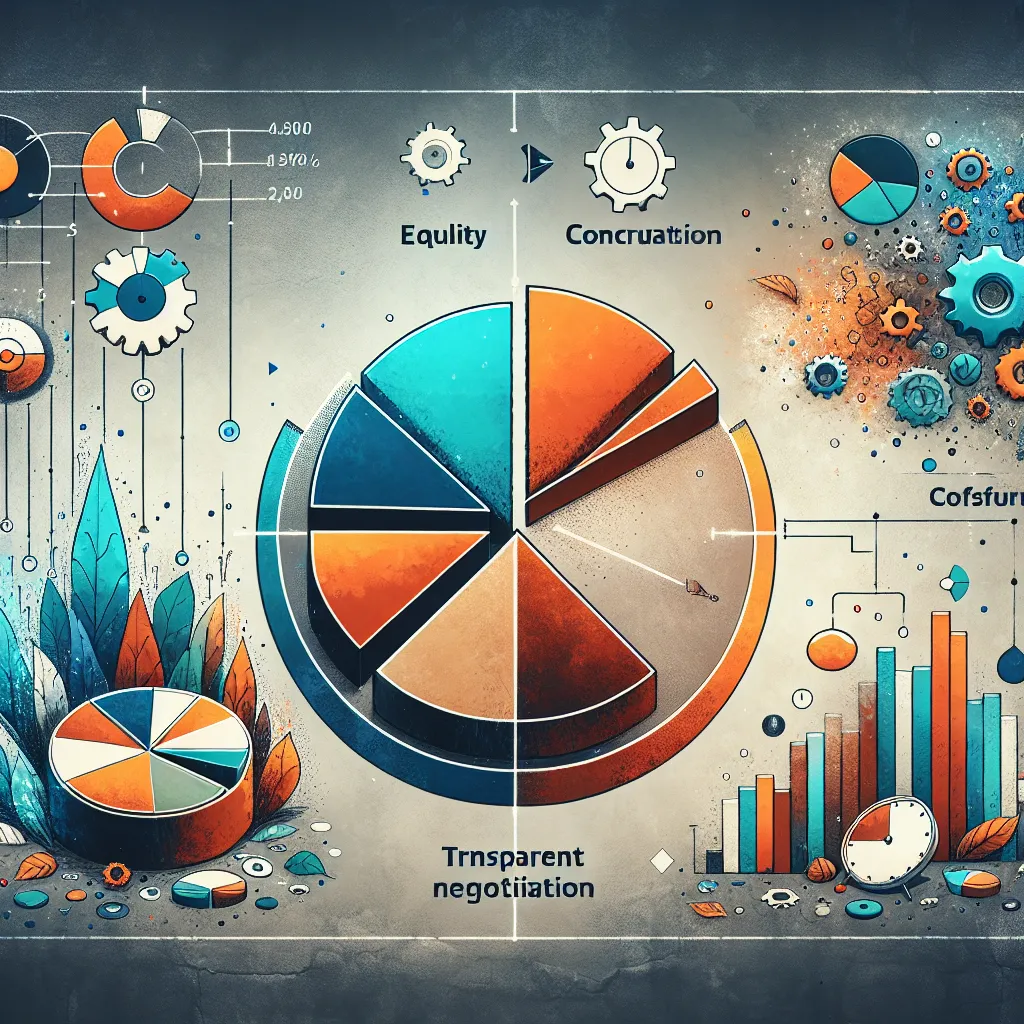
Cofounder splits are more equal than ever, yet cofounder breakups remain one of the most common startup failure modes. The issue isn’t fairness at formation—it’s misalignment over time as roles, effort, and risk diverge. Equity Drift introduces dynamic equity that evolves with contribution, recalculating ownership based on real execution signals while remaining legally clean. It exists now because startups move too fast for static agreements and resentment compounds quietly. Instead of discovering misalignment during a crisis, founders see it emerging in real time. A team might catch a widening contribution gap in year one and renegotiate transparently, rather than detonating the company in year three.
Description
No additional description provided.
The Pitch
In the fast-paced world of startups, cofounder relationships are crucial to success. However, despite the trend towards more equal initial equity splits, cofounder breakups remain a leading cause of startup failure. The underlying problem often isn't a matter of fairness at the startup's inception but rather the misalignment that develops over time as cofounder's roles, efforts, and risks evolve.
**Identifying the Challenge**
Startups inherently move at breakneck speed, and static equity agreements can quickly become outdated. As the company's journey progresses, the contributions and responsibilities of each cofounder may shift significantly. When these factors aren't regularly assessed and adjusted accordingly, it can lead to tension, resentment, and ultimately, the dissolution of the team. Often, this misalignment only becomes apparent during moments of crisis, at which point it might be too late to rectify.
**The Solution: Equity Drift**
To address this challenge, we propose the concept of Equity Drift. This approach introduces a dynamic equity system that evolves alongside the founders' contributions. By recalculating ownership based on tangible execution signals, Equity Drift offers a transparent, evolving method for equity management within a startup. It maintains legal clarity and provides founders with real-time insights into their equity standings, allowing for proactive resolution of potential misalignments.
**Product Details**
Equity Drift functions through a platform that tracks various aspects of founder contribution. These might include hours worked, milestones achieved, roles undertaken, and risks assumed. The platform then dynamically adjusts equity allocations based on these metrics. Some key features include:
- **Real-Time Contribution Tracking**: Continuous monitoring of each founder's involvement and achievements. - **Transparent Recalculations**: Regular updates to equity shares that reflect the most current contribution data. - **Legal Compliance**: Ensures all adjustments are made within the bounds of legal agreements. - **User-Friendly Interface**: Simplified dashboards for founders to easily understand their equity positions and contributions.
**Tools and MVP Launch Strategy**
To build and launch Equity Drift as a Minimum Viable Product (MVP), consider the following technology stack and launch tactics:
- **Technology Stack**: - Frontend: React or Angular for building intuitive user interfaces. - Backend: Node.js or Django for robust server-side operations. - Database: PostgreSQL or MongoDB for managing user and contribution data. - Cloud Services: AWS or Google Cloud for scalable hosting solutions. - Authentication: OAuth or Firebase Authentication for secure user access.
- **MVP Development Strategy**: - Identify key features needed for initial testing, such as contribution tracking and dynamic equity adjustment. - Conduct user testing with a small group of startups to vet the concept and gather feedback. - Iterate on the design and features based on initial feedback to enhance usability and functionality.
**Go-To-Market (GTM) Strategy**
To effectively introduce Equity Drift to the market, consider the following GTM strategy:
- Target Early Adopters: Focus on startups and accelerators that understand and value innovative tools for equity management. - Educational Content: Develop content that highlights the benefits of dynamic equity and addresses common pain points faced by startups. - Networking and Partnerships: Collaborate with startup incubators, venture capitalists, and legal firms to increase the platform's visibility. - Freemium Model: Offer a basic version of Equity Drift for free, with premium features available through a subscription model to encourage initial adoption.
**Business Model**
The business model for Equity Drift will primarily revolve around a subscription service:
- **Freemium Model**: Provide a free tier offering basic features to attract startups at all stages. - **Premium Tier**: Offer advanced analytics, detailed reporting, and additional integration options for a monthly or yearly fee. - **Enterprise Solutions**: Customized solutions for large enterprises or accelerators operating multiple startups, with pricing based on size and requirements.
By implementing Equity Drift, startups can manage founder equity in a way that accurately reflects each individual's contributions and mitigates many of the traditional risks associated with static equity splits.