Dynamic Collectibles: Interactive Transformations Through Proximity
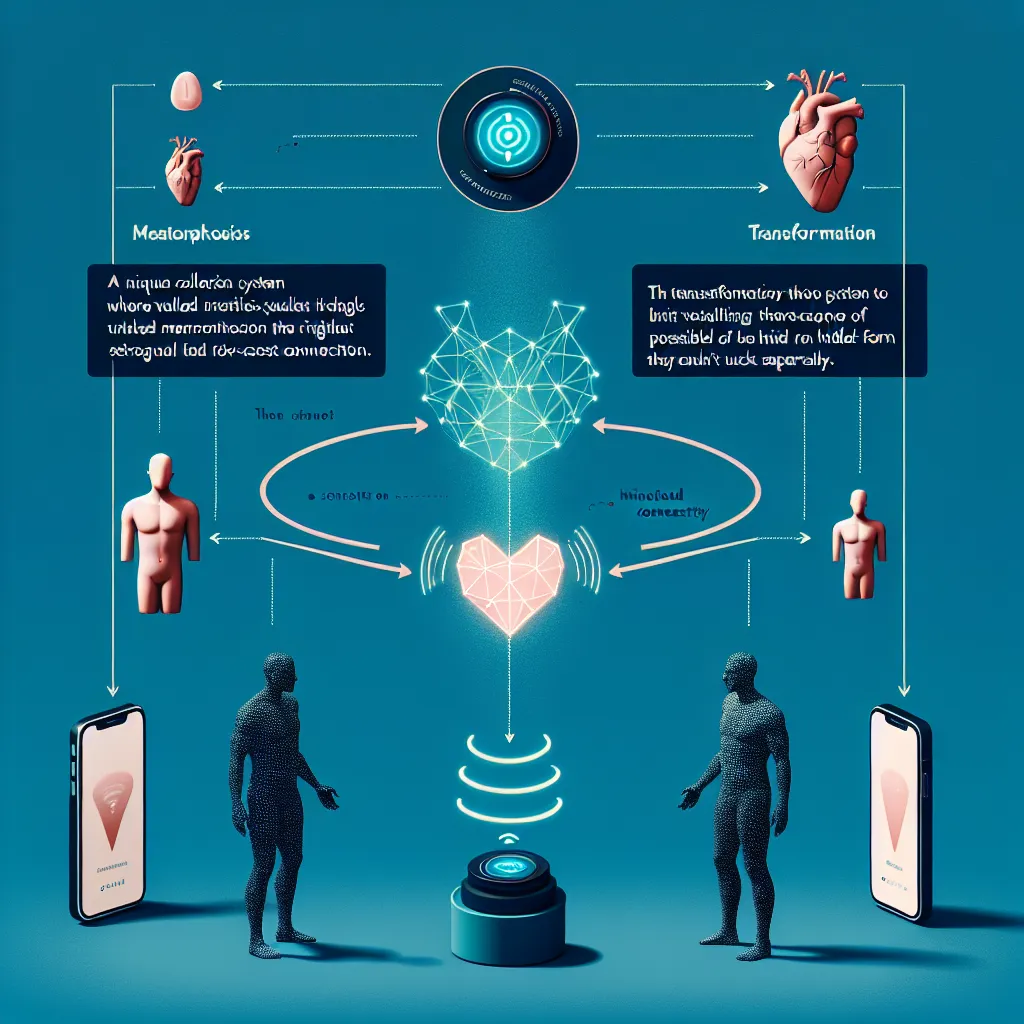
Most collectibles are static. They don’t care what else you own. This idea treats each item as part of a living system — one that changes when other pieces enter its orbit. Value isn’t just in rarity, but in relationships between objects. Why now: connectivity is cheap, sensors are tiny, and people already coordinate collections socially. Example: two figures placed near each other trigger a transformation — physically through magnetics, digitally through an app — revealing a third, hidden form neither could unlock alone.
Description
No additional description provided.
The Pitch
In recent years, the collectibles market has seen significant growth, fueled by nostalgia, fandoms, and the digital age. However, most collectibles remain static, offering value primarily based on rarity, historical significance, or brand association. The idea presented here introduces an innovative approach to collectibles, transforming them from standalone items into parts of an interconnected system that creates dynamic interactions.
2. **Market Problem**
Traditional collectibles hold their value in isolation, often anchored to the innate property of being scarce or belonging to a popular series. However, this model has limitations: - Stagnant value perception and engagement, beyond aesthetic and brand loyalty. - Limited opportunities for interactive experiences that can deepen user engagement.
3. **Proposed Solution**
Introducing a dynamic collectible system where each item is designed to interact with others, unlocking new dimensions of experience and value. This approach leverages modern technological advancements in connectivity and sensor technologies to enable seamless interaction among collectible items.
4. **Product Details**
Imagine a collectible ecosystem where each item can interact with others when brought into proximity. These interactions occur physically through built-in magnetics or electronically through an accompanying app. The system could be structured as follows: - Each collectible includes embedded sensors capable of detecting other items nearby. - An application interfaces with the sensors to enable and enhance physical transformations, such as revealing hidden features or altering physical appearances. - Digital interactions expand user engagement through mobile devices, allowing users to access exclusive content or experiences unlocked by owning specific combinations of items.
For instance, two figures placed near each other might trigger a transformation, revealing a third, hidden form that neither could unlock independently, enriching both digital and physical user experiences.
5. **Tools and Technologies for MVP**
To launch an MVP, the following tools and technologies could be utilized: - **Electronics and IoT Kits**: Utilize kits from providers like Arduino or Raspberry Pi to prototype sensor-integrated collectibles. - **Mobile App Development Platforms**: Leverage platforms like Flutter or React Native for building cross-platform applications. - **3D Printing and CAD Software**: Use tools like Tinkercad or Blender for designing prototypes of the physical collectibles. - **Bluetooth/Wi-Fi Modules**: Integrate connectivity hardware for efficient communication between collectibles and mobile devices.
6. **Go-To-Market (GTM) Strategy**
Successfully bringing this product to market involves several strategic elements: - **Community Engagement**: Build and engage early with communities of collectors and fans through forums, social media, and conventions. - **Partnerships with Established Brands**: Collaborate with existing franchises to create exclusive sets that appeal to broader audiences. - **Limited Launch Events**: Create buzz through limited releases of interaction-based collectibles to drive initial interest and exclusivity. - **Content Marketing**: Share stories and insights about the collectibles and their dynamic interactions through blogs, videos, and user-generated content.
7. **Business Model**
The business model centers on a mix of revenue streams: - **Direct Sales**: Selling individual collectible units or themed sets at competitive prices. - **Subscription Models**: Offering a subscription service for exclusive items or digital content updates, enhancing user experience over time. - **Licensing Partnerships**: Collaborate with media franchises and brands to develop custom collectible lines, benefiting from shared brand visibility and customer bases.
8. **Conclusion**
This concept challenges the traditional perception of collectibles, offering an interactive experience that fosters deeper connections between people and their collections. By leveraging connectivity and modern technology, this idea can redefine the way collectors interact with their items, transforming passive ownership into active participation.