Dynamic Brand Systems with Chameleon Identity OS
Brands still create static style guides even though users now interact across dozens of contexts — mobile feeds, wearables, car dashboards, AR layers, outdoor displays. Chameleon Identity OS auto-generates dynamic brand systems that shift in real time depending on environment, device, time of day, or audience segment, while mathematically preserving brand coherence. A logo might subtly change weight on small screens, colors may adapt for outdoor glare, or spacing might expand for luxury markets. This is possible now because real-time design engines and multi-environment rendering have become fast enough to deploy globally. Imagine a coffee chain whose app, signage, and drive-thru screens all subtly adapt their branding based on weather and peak hours to boost conversion.
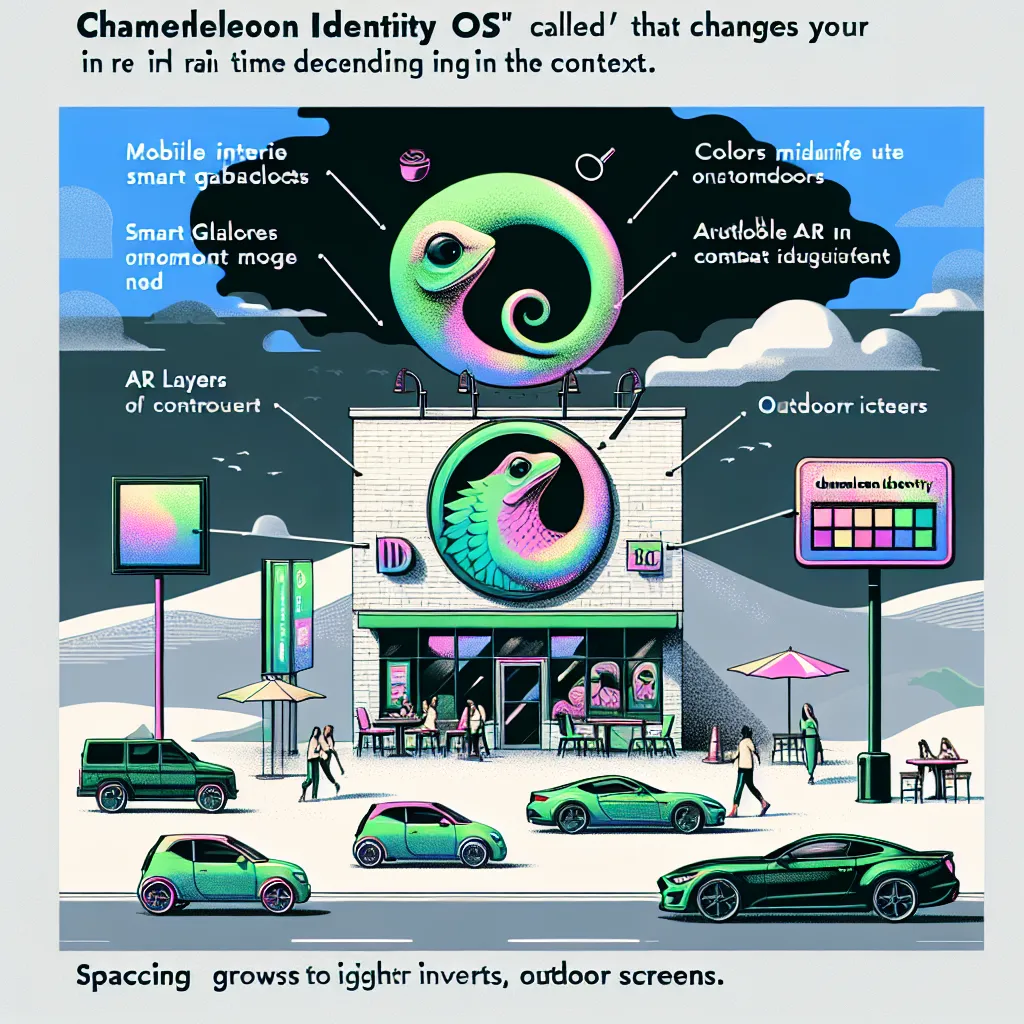
Description
No additional description provided.
The Pitch
In an increasingly digital world, brands face the challenge of maintaining a consistent identity while interacting with users across a multitude of platforms and devices. Traditional static style guides are fast becoming obsolete as they cannot accommodate the vast number of contexts—ranging from mobile feeds and wearables to car dashboards and augmented reality layers—where brand interactions occur. As user engagement diversifies, the demand for a solution that can dynamically adapt brand elements while maintaining coherence has become urgent.
**The Problem**
Current brand systems struggle with the complexity of ensuring consistent branding across diverse media channels and user environments. Static guides fail to account for varying display sizes, lighting conditions, or user demographics. As a result, there is a disconnect between the brand's intended identity and its perceived identity by consumers, leading to potential miscommunication and a diluted brand presence.
**The Solution**
Chameleon Identity OS offers an innovative approach by automatically generating dynamic brand systems that adapt in real-time. Leveraging advanced real-time design engines and multi-environment rendering technologies, Chameleon Identity OS ensures that brand elements such as logos, colors, and spacing adjust seamlessly based on environmental and contextual factors. This mathematical preservation of brand coherence allows companies to maintain a strong brand identity while engaging more effectively with their audience.
**Product Details**
Chameleon Identity OS includes the following features:
1. **Dynamic Logo Adaptation**: Logos can subtly change weight and proportions depending on the display size, ensuring visibility and brand recognition across all devices.
2. **Adaptive Color Schemes**: Colors intelligently adjust based on lighting conditions and time of day to optimize visibility and mood alignment.
3. **Responsive Spacing and Layouts**: Spacing can expand or contract to target specific market segments, such as luxury markets, without losing the brand's essence.
4. **Contextual Branding Algorithms**: Real-time algorithms take into account user demographics, geographical location, and current trends to optimize brand interactions.
**Tools and Technologies for MVP Launch**
To launch Chameleon Identity OS as a Minimum Viable Product (MVP), consider leveraging the following tools:
- **Real-Time Design Engines**: Utilize open-source or commercially available real-time graphics software to facilitate dynamic design rendering.
- **Cloud-Based Infrastructure**: Employ cloud services like AWS or Azure for scalable, globally deployable infrastructure.
- **AI and Machine Learning Models**: Use ML models to understand and predict optimal brand adaptations based on historical user data and patterns.
- **Data Analytics Platforms**: Integrate analytics tools to measure engagement and conversion rates post-implementation.
**Go-To-Market Strategy**
The GTM strategy for Chameleon Identity OS involves several key steps:
1. **Target Early Adopters**: Identify and approach innovative brands that are open to experimenting with new technology and can provide valuable feedback.
2. **Strategic Partnerships**: Collaborate with branding agencies and digital marketing firms to integrate the solution into their service offerings.
3. **Industry Networking**: Participate in marketing and technology conferences to showcase the product's capabilities and generate interest.
4. **Pilot Programs**: Offer pilot programs to a select group of clients to refine the product and illustrate its value in real-world scenarios.
**Business Model**
1. **Subscription-Based Pricing**: Implement a tiered subscription model where pricing is based on the scale of deployment and the complexity of branding needs.
2. **Custom Implementation Fees**: Charge additional fees for bespoke integrations or specialized support services for larger enterprises.
3. **Performance-Based Incentives**: Offer clients a pricing discount structure that corresponds with achieved performance benchmarks, such as increased user engagement metrics.
In conclusion, Chameleon Identity OS presents a transformative opportunity for brands to maintain cohesion while dynamically interacting with their audiences across diverse environments. By focusing on adaptable, context-aware branding solutions, this innovation ensures brands can stay relevant and engaging in a fast-evolving digital landscape.