Dynamic Bio-Pigments Revolutionize Outdoor Gear Adaptability
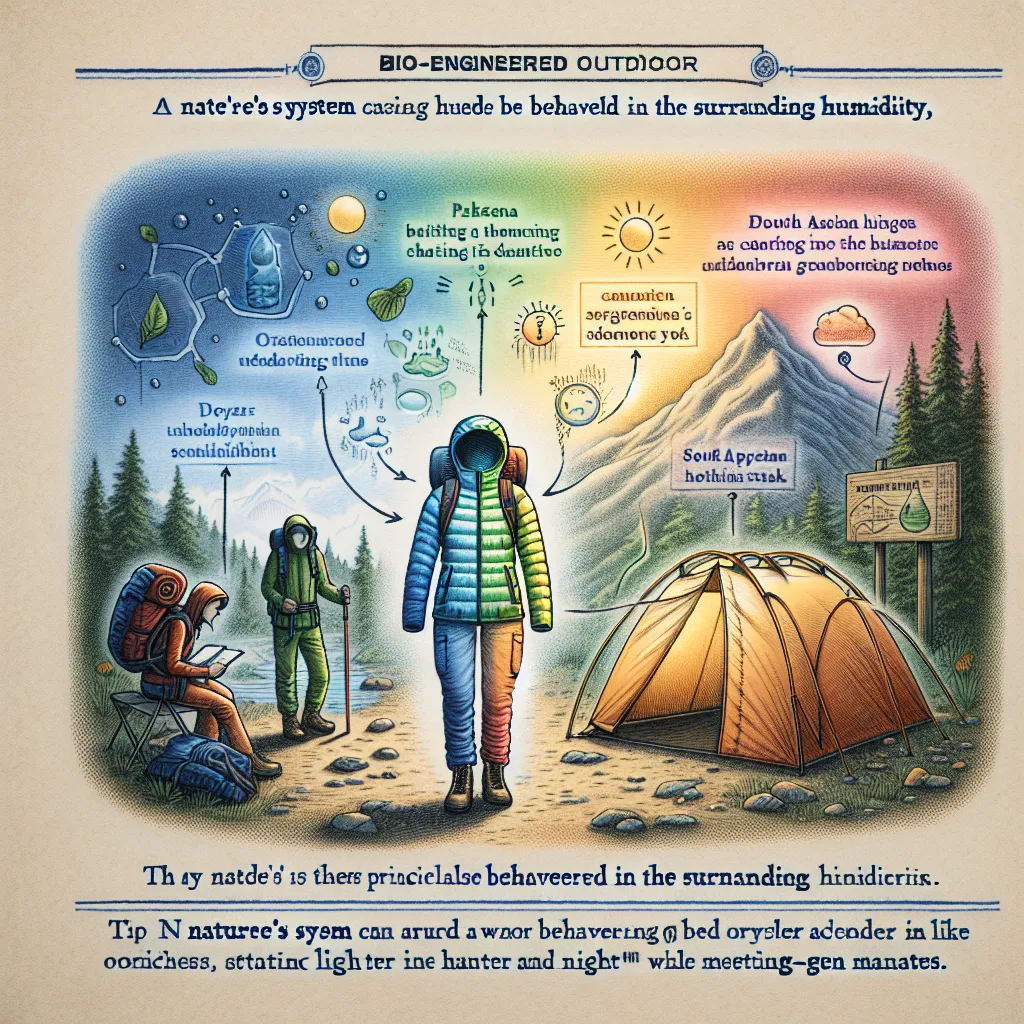
Outdoor gear has to battle every element, but its materials are still static. Jackets overheat, tents trap moisture, and nothing adapts in real time. Enter bio-engineered pigments that change reflectivity and heat absorption depending on environment. A tent that lightens in heat and darkens at night to retain warmth; a parka that signals dehydration risk by shifting hue with humidity. UCSD’s pigment unlocks dynamic materials that behave like organisms. Why now: outdoor brands face sustainability mandates and want next-gen innovation. Nature had these systems for centuries—now we can engineer them for human comfort.
Description
No additional description provided.
The Pitch
In the world of outdoor gear, a fundamental issue persists: the static nature of materials that must endure dynamic environmental conditions. This immobility results in problems such as overheating jackets, moisture-trapping tents, and generally unresponsive equipment. There is a growing demand for innovative solutions that can adapt to rapidly changing conditions in the environment.
**Backstory**
Historically, outdoor gear has been designed to be robust and durable, but has lacked the adaptive properties found in nature. For example, while a jacket might be waterproof, it does not adapt its insulation properties to differing temperatures throughout the day. Similarly, tents provide a sturdy shelter but often fail to balance temperature and humidity effectively. As the outdoor gear market continues to grow, there is a need for materials that are more dynamic and responsive to their surrounding environment.
**Problem**
The static nature of traditional outdoor materials presents several challenges:
1. Overheating: Jackets and other gear do not adjust to the wearer's changing body temperature or environmental conditions, leading to discomfort and potential health risks.
2. Moisture Trapping: Tents and similar structures can trap moisture, creating an uncomfortable and possibly unhealthy environment.
3. Lack of Real-Time Adaptation: Current materials do not adjust in real time to environmental changes, which limits comfort and efficiency.
**Solution**
Bio-engineered pigments present a groundbreaking solution to these issues. By altering their reflectivity and heat absorption based on the surrounding environment, these pigments can create dynamic materials that mimic the adaptive behaviors observed in nature. This innovation enables:
- A tent that brightens in sunlight to stay cool and darkens at night to retain warmth. - A parka that changes color to indicate hydration levels based on ambient humidity, giving wearers proactive alerts to adjust their hydration.
**Product Details**
These bio-engineered pigments stem from research at UCSD, where scientists have developed advanced materials capable of intelligent responses to environmental stimuli. This technology can be integrated into multiple forms of outdoor gear, such as:
- **Adaptive Jackets**: Equipped with color-changing pigments for thermal regulation and humidity sensing. - **Dynamic Tents**: Featuring lightening and darkening capabilities to balance temperature and manage moisture. - **Versatile Shelters**: Engineered to offer climate adaptability for a variety of environments and conditions.
**Tools for MVP Development**
To bring this product to market quickly, consider leveraging the following:
1. **Prototyping Software**: Use CAD tools to design the products and simulate their performance in various conditions.
2. **Material Science Kits**: Collaborate with research labs to access pigment samples and develop small-scale prototypes.
3. **3D Printing**: Create scalable models to refine design and functionality before mass production.
4. **Data Analytics**: Implement sensors and analytics software to monitor and refine the pigment's responsiveness.
**Go-to-Market Strategy (GTM)**
1. **Target Audience**: Focus on outdoor enthusiasts, professional athletes, and environmentally conscious consumers.
2. **Initial Launch**: Begin with a limited release in partnership with specialty outdoor retailers and online platforms to build momentum and gather user feedback.
3. **Marketing Campaigns**: Highlight sustainability, innovation, and comfort in all communications, using channels such as social media, outdoor adventure blogs, and influencer partnerships.
4. **Strategic Collaborations**: Partner with established outdoor brands to leverage their market presence and expertise.
**Business Model**
1. **Subscription Service**: Offer a service where customers can receive regular updates to their gear, ensuring it remains state-of-the-art.
2. **Product Sales**: Direct-to-consumer sales through e-commerce platforms, maximizing reach and minimizing middlemen costs.
3. **Licensing**: License the bio-engineered pigment technology to other manufacturers in the outdoor gear industry.
By integrating bio-engineered pigments with traditional outdoor gear, we can create products that are not only innovative and functional but also aligned with the growing demand for sustainability. This is a unique opportunity to revolutionize the market by offering solutions that truly enhance human comfort and safety in the wilderness.