Durable, Waterproof Bone-Conducting Hearing Aids for Active Lifestyles
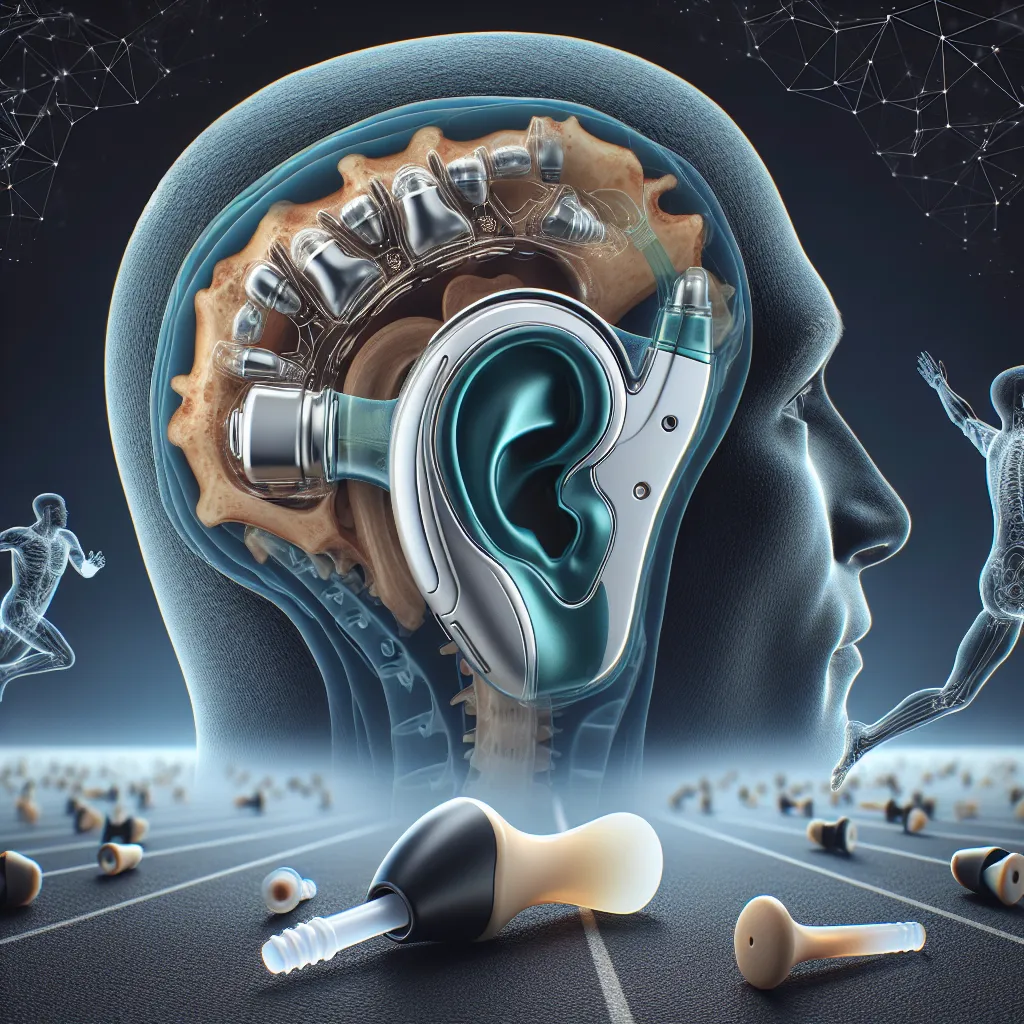
Description
Bone-Conducting Hearing Aids - Hearing aids that sit above the ear, similar to bone-conducting headphones, offering a more durable and waterproof alternative to traditional hearing aids. These devices would be suitable for exercise and various physical activities, providing clearer sound through bone conduction without the need for invasive implants.
The Pitch
Millions of individuals worldwide suffer from hearing loss and rely on hearing aids for daily communication. Traditional hearing aids pose challenges: they are often sensitive to moisture, prone to damage during physical activities, and can cause discomfort when worn in or around the ear canal. Additionally, many users report a decrease in sound clarity in traditional aids due to the transmission of sound waves through air.
Solution Overview: We propose a revolutionary development in auditory assistance technology, the Bone-Conducting Hearing Aids (BCHA). Unlike traditional air-conduction devices, BCHA utilizes bone conduction technology to transmit sound vibrations directly to the cochlea via the bones of the skull, bypassing the outer and middle ear. Designed to rest comfortably above the ear, these devices are robust, fully waterproof, and ideal for active lifestyles, enhancing auditory clarity without compromising on comfort.
Target Audience: Our primary market includes individuals with hearing impairments who lead active lives and require a durable, water-resistant hearing solution. This includes sports enthusiasts, outdoor adventurers, and professionals in demanding physical roles. Secondary audiences comprise aging populations concerned with comfort and ease of use, as well as pediatric demographics requiring robust, damage-resistant hearing devices.
Value Proposition: The Bone-Conducting Hearing Aids offer multiple compelling benefits: 1. Clarity of sound in various environmental conditions, including windy and noisy settings. 2. Significantly decreased risk of damage from moisture or impact, ideal for rigorous physical activity. 3. Non-invasive solution that avoids discomfort associated with in-ear hearing aids. 4. Sleek, modern design that is both functional and aesthetically pleasing. 5. Increased longevity and reduced need for frequent replacements or repairs.
Market Analysis: The global hearing aid market is experiencing steady growth, projected to reach USD 10.2 billion by 2026, with a CAGR of 7.2%. Innovations focused on usability, comfort, and integration with active lifestyles can capture significant market share. Competing technologies mainly include traditional digital hearing aids and cochlear implants. BCHA’s non-invasive and lifestyle-oriented design provides a competitive edge in tapping into the younger demographic and those dissatisfied with existing options.
Implementation Plan: 1. Product Development: Finalizing the design with audiologists and product engineers to ensure optimal sound quality and comfort. 2. Testing and Compliance: Undergoing rigorous testing phases, including user trials and obtaining necessary medical compliance certifications. 3. Manufacturing: Partnering with established, FDA-approved manufacturers to ensure high-quality production. 4. Marketing and Distribution: Developing partnerships with hearing clinics and online platforms, supplemented by a robust digital marketing campaign focusing on lifestyle integration. 5. Customer Support: Establishing a dedicated service line and in-app support for users.
Monetization Strategy: Revenue will be generated through direct sales, leveraging both online and traditional retail channels. The product will be offered in a premium segment, justified by its advanced technology and design. Additionally, strategic partnerships with health insurance providers could be explored to facilitate partial reimbursements for users, thereby increasing accessibility and adoption.
Impact Assessment: The introduction of the Bone-Conducting Hearing Aids is expected to significantly improve the quality of life for people with hearing loss, especially those maintaining active lifestyles. By enhancing communication capabilities in adverse conditions and during physical activity, BCHA aims to foster greater independence and confidence in its users. Furthermore, increased acceptance and widespread use of bone conduction technology can drive further innovations in non-invasive hearing solutions, broadening the scope for future enhancements in this vital field.