Dual-Layer Websites for Human and Machine Interaction
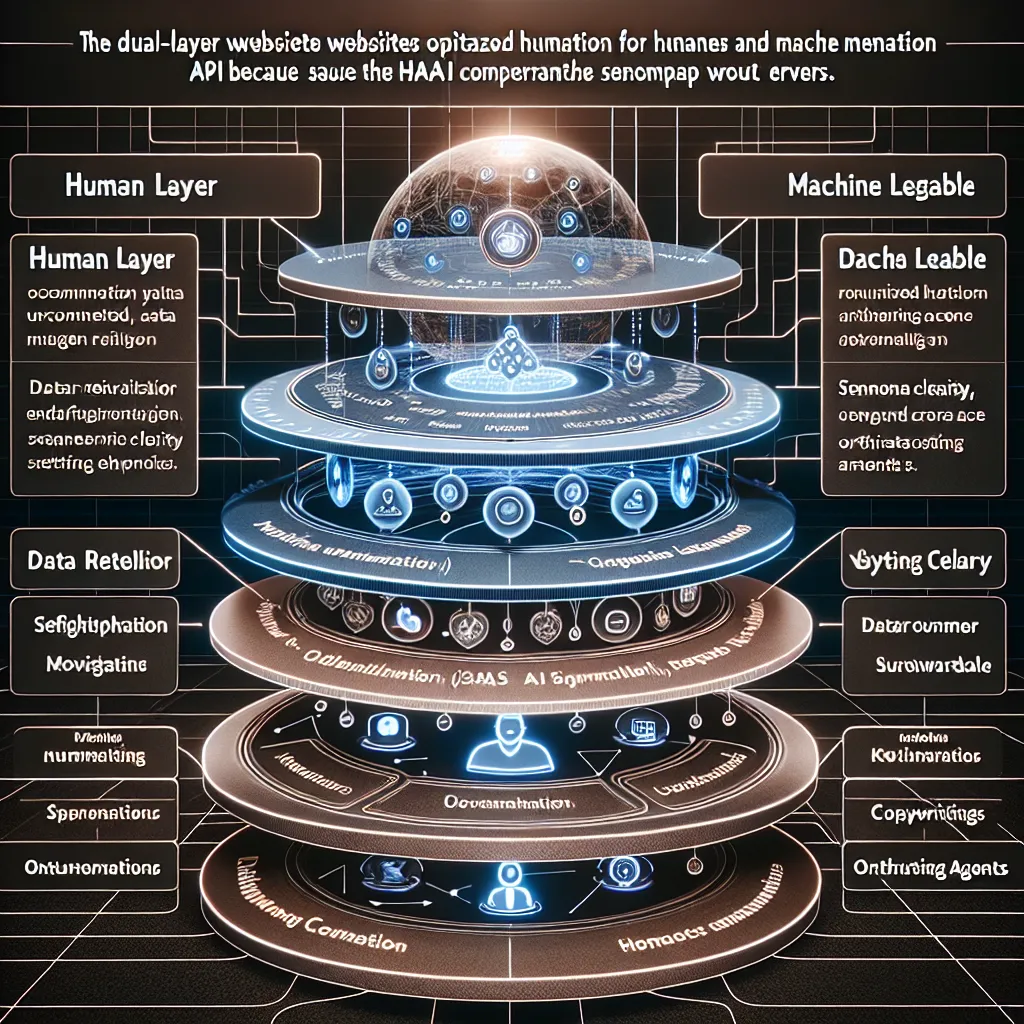
Everything online today is optimized for humans—visual hierarchy, copywriting, navigation. But agents don’t care. This platform builds dual-layer websites: one layer human-readable, one layer machine-legible, optimized for retrieval, semantic clarity, permissioning, and agent orchestration. It becomes the “HTML of agent UX.” Why now: 2026 is the year people stop browsing and start delegating. Example: a SaaS company rebuilds its docs using this system, and inbound support drops 40% because customer agents finally understand the API without hallucinating.
Description
No additional description provided.
The Pitch
The digital landscape is rapidly shifting towards a new era where traditional browsing habits are giving way to more dynamic interactions. As we move towards 2026, there's an increasing reliance on digital agents to automate tasks and streamline processes. However, the current internet infrastructure is designed primarily with human users in mind, neglecting the needs of intelligent agents. This gap presents a significant opportunity to enhance the way information is structured and accessed online.
**Identifying the Problem**
Today's websites are optimized for human interaction through elements like visual hierarchy, intuitive navigation, and engaging copywriting. While these features facilitate seamless user experiences, they often pose challenges for intelligent agents tasked with retrieving and interpreting data. The lack of semantic clarity and structure increases the likelihood of errors, such as misinterpretation of content or incomplete data retrieval.
With the growing dependence on digital agents, businesses face inefficiencies and potential bottlenecks. A common example is the strain on customer support teams dealing with agent-induced misunderstandings, which can lead to increased operational costs and customer dissatisfaction.
**Innovative Solution**
To address these challenges, the concept of dual-layer websites is introduced. This cutting-edge platform enables the creation of websites with two distinct layers: one optimized for human interaction and another specifically designed for machine readability. The machine layer enhances semantic clarity, ensuring that digital agents can accurately interpret and process the information.
This dual-layer system acts as the foundational structure, much like what HTML represents for human-centric web design. By providing a clearer, more organized data layout, businesses can significantly reduce errors and improve the efficiency of agent-based interactions.
**Product Details and Tools**
The platform offers a suite of tools that simplifies the creation and management of dual-layer websites:
1. **Intelligent Design Interface**: Intuitive drag-and-drop tools for constructing both human and machine-friendly pages, requiring no extensive technical background.
2. **Semantic Optimization Tools**: Built-in features that automatically enhance data structure, enabling precise data categorization and tagging for machine usage.
3. **Conversion Wizards**: Facilities to transition existing websites into dual-layer formats with minimal disruption to existing operations.
4. **Integration APIs**: Seamless integration capabilities with popular web services and digital agents, ensuring smooth communication and operation.
**Simplifying Launch as an MVP**
To bring this concept to market efficiently, businesses can employ:
- **No-Code Platforms**: Leverage existing no-code solutions to develop the MVP quickly, testing core functionalities with minimal resource investment.
- **Rapid Prototyping Tools**: Utilize tools like Figma or Adobe XD for quick development of the website's visual interface and interaction flows.
- **Beta Testing with Select Partners**: Engage early adopters to gain valuable feedback and iterate the product, ensuring readiness for larger scale rollout.
**Go-To-Market Strategy**
1. **Target Early Adopters**: Focus on industries that heavily rely on digital agents, such as SaaS companies, online retailers, and customer support services.
2. **Educational Campaigns**: Highlight the benefits of dual-layer websites through webinars, white papers, and case studies, showcasing the potential for reduced support workloads and increased efficiency.
3. **Strategic Partnerships**: Collaborate with established web development firms and digital agent providers to increase platform visibility and credibility.
4. **Freemium Model**: Offer a basic version of the platform for free while keeping advanced features behind a subscription paywall, encouraging trial and gradual adoption.
**Business Model**
The platform operates on a subscription-based model, providing a range of pricing tiers based on features and usage levels. These include:
- **Basic Tier**: Free access with limited features to encourage widespread adoption and feedback gathering.
- **Professional Tier**: Monthly subscription offering enhanced capabilities suited for small to medium-sized businesses.
- **Enterprise Tier**: Premium features with custom solutions and dedicated support for large organizations seeking to optimize complex operations.
In conclusion, the shift to dual-layer websites represents a transformative opportunity in the evolving digital landscape. By prioritizing both human and machine-readability, this platform positions businesses to thrive in an era where digital delegation becomes the norm.